




The Hunt for Critical Minerals
One of the most significant drivers is the global demand for critical minerals. The deep seabed, particularly in areas like the Pacific's Clarion-Clipperton Zone, is scattered with polymetallic nodules. These potato-sized lumps are rich in cobalt, nickel,
copper, and manganese—essential components for batteries, smartphones, and other green technologies. As land-based resources become harder to extract and geopolitical tensions affect supply chains, nations are looking to the ocean floor as a new source for these valuable materials. This has sparked a modern-day gold rush, with countries and private companies developing technologies to mine these resources, regulated by bodies like the International Seabed Authority.
Understanding Our Climate's Engine
The deep ocean is a massive, yet poorly understood, regulator of the Earth's climate. It has absorbed over 90% of the excess heat and a significant portion of the carbon dioxide generated by human activities, acting as a critical buffer against climate change. Scientists are now racing to understand these deep-sea processes. Studying how heat and carbon are transported and stored in the abyss is vital for refining climate models and predicting future changes, from sea-level rise to the intensity of monsoons. The more we learn about these hidden mechanics, the better we can prepare for the environmental challenges ahead.
A Frontier of Undiscovered Life
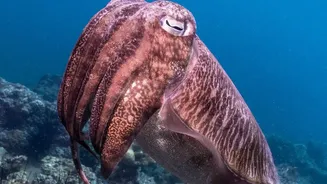
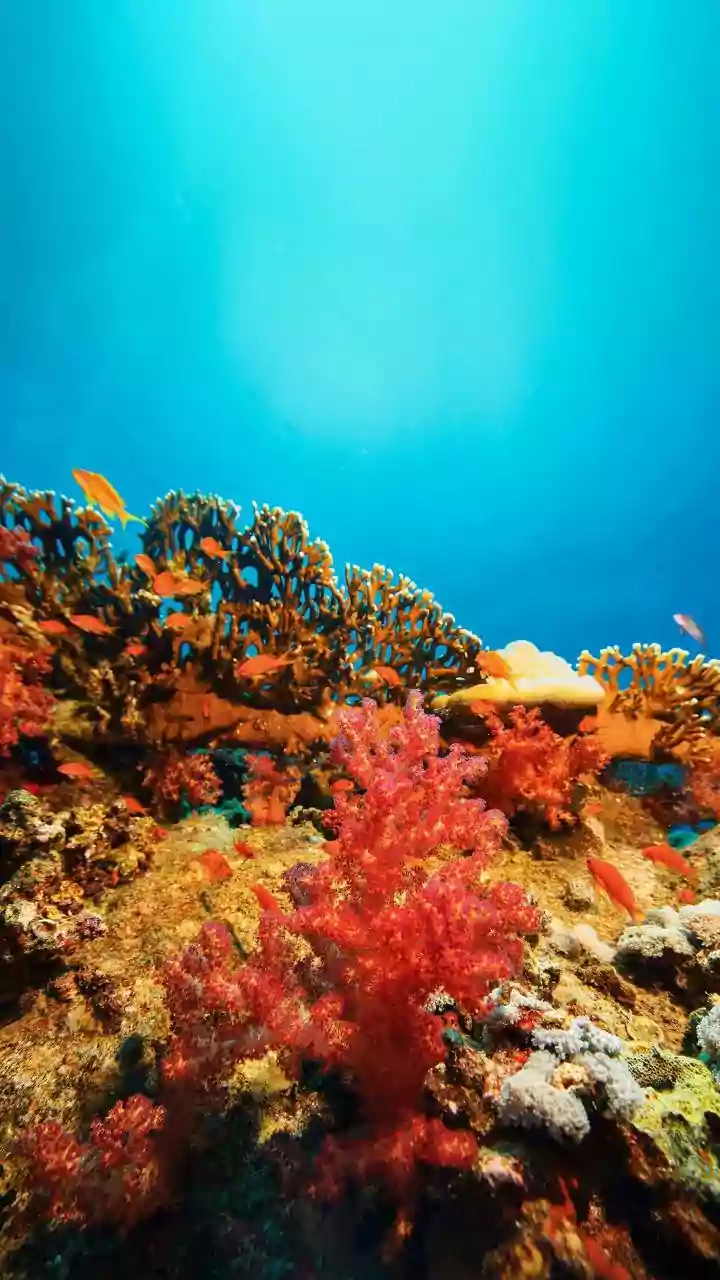
Every deep-sea expedition seems to return with astonishing discoveries of new species. Scientists estimate that up to two-thirds of all marine species are yet to be discovered. Recent expeditions have identified hundreds of new species, from ghost sharks to bizarre sea sponges and corals that live in extreme conditions of pressure and darkness. This biodiversity is not just a curiosity; it holds immense potential. Organisms that thrive in these harsh environments could hold the keys to new medicines, industrial enzymes, and other biotechnological breakthroughs. Exploring this genetic frontier is a top priority before these unique habitats are potentially disturbed.
India's Own Deep Dive
India has firmly joined this global quest with its ambitious Deep Ocean Mission. The 'Samudrayaan' project aims to send three aquanauts to a depth of 6,000 metres in an indigenous submersible called 'MATSYA 6000'. This mission places India in an elite club of nations with human deep-sea exploration capabilities, including the US, Russia, and China. The objectives are multifaceted: to explore deep-sea mineral resources in the Indian Ocean, study marine biodiversity, and develop advanced oceanographic technology. By investing in this frontier, India is not only bolstering its scientific prowess but also securing its interests in the sustainable use of ocean resources, a key part of the 'Blue Economy' vision.
The Technological Revolution
None of this would be possible without dramatic leaps in technology. For decades, the extreme pressure and darkness of the deep sea made exploration incredibly difficult. Today, a new generation of autonomous underwater vehicles (AUVs) and remotely operated vehicles (ROVs) can survey the seabed for months at a time. Advancements in sonar allow for high-resolution mapping, while breakthroughs in underwater imaging and robotics enable scientists to observe and sample fragile organisms like never before. These tools are finally pulling back the curtain on the ocean's greatest depths, turning what was once inaccessible into a new world for discovery.