




The Humble, Hearty Dal
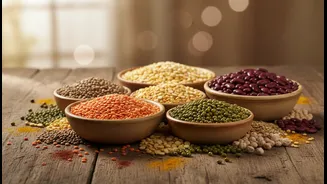
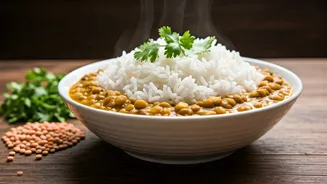
No Indian meal is complete without dal, and for good reason. It’s the cornerstone of vegetarian protein in the country. A single cup of cooked dal can offer a significant protein punch, but the numbers vary by type. Urad dal leads the pack with about
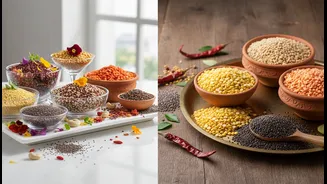
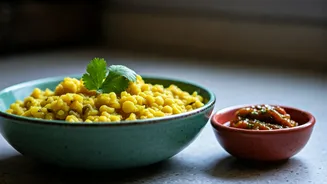
25 grams of protein per 100g (raw), closely followed by moong and masoor dal, which contain around 24 grams. Even popular choices like toor and chana dal provide a robust 21-22 grams. While dals on their own don't provide a complete amino acid profile, the age-old tradition of pairing them with rice or roti creates a complete protein, making this simple meal a nutritional masterpiece. It's a comforting, affordable, and incredibly effective way to meet your daily protein needs.
Soy: Dispelling the Myths
Soy has been the subject of many debates, but scientific consensus shows that whole or minimally processed soy foods are not only safe but beneficial. Available as tofu, edamame, or soy milk, it’s a fantastic source of plant-based protein. Tofu, for instance, is a versatile ingredient that provides about 8-12 grams of protein per 100g serving, depending on its firmness. What makes soy stand out is that it's a 'complete' plant protein, containing all nine essential amino acids your body needs. Concerns about hormonal disruption are largely unfounded in the context of a normal diet; numerous studies have shown that moderate soy consumption does not negatively impact hormone levels in men or women.
Paneer: The Dairy Powerhouse
A beloved staple in Indian vegetarian cooking, paneer is a formidable source of high-quality dairy protein. A 100-gram serving packs a powerful 18 to 21 grams of protein, making it an excellent choice for muscle repair and satiety. It is also rich in calcium, which is vital for bone health. However, it is more calorie-dense and higher in saturated fat compared to its plant-based counterpart, tofu. This doesn't make it unhealthy; rather, it's about context. For those looking to gain mass or who have higher energy needs, paneer is a fantastic option. For those managing weight or heart health, tofu might be a more suitable choice for everyday consumption.
Chickpeas and Legumes: More Than Just Chana Masala
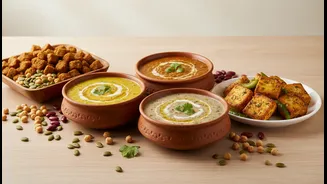
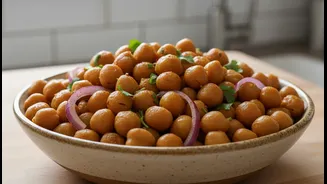
Chickpeas (chana) and other legumes like kidney beans (rajma) are nutritional giants. A cup of cooked chickpeas provides around 15 grams of protein and a hefty 12.5 grams of dietary fibre. This combination of protein and fibre promotes a feeling of fullness, aiding in weight management and supporting digestive health. Legumes are also low on the glycemic index, which helps in regulating blood sugar levels. Beyond the classic curries, these versatile beans can be used in salads, roasted for a crunchy snack, or blended into hummus. They are an inexpensive and delicious way to bulk up the protein content of any meal.
Seeds: The Tiny Titans
Don’t underestimate the power of tiny seeds. Hemp, chia, and flax seeds are becoming increasingly popular for their dense nutritional profiles. Just three tablespoons of hemp seeds deliver around 9 grams of complete protein, meaning they contain all essential amino acids. Chia and flax seeds are also excellent sources of protein, fibre, and omega-3 fatty acids. A couple of tablespoons of flax seeds can add about 5-6 grams of protein to your meal. Sprinkling a mix of these seeds over your yoghurt, blending them into smoothies, or adding them to oatmeal is an effortless way to boost your protein intake and add a range of other vital nutrients to your diet.