







The Search for Deeper Connection
In recent years, a significant shift has occurred in what travellers seek. The post-pandemic world has amplified a desire for more meaningful and authentic experiences. Many are moving away from hectic, checklist-driven tourism, where the goal is to see as much
as possible, towards a slower, more immersive approach. This trend, often called 'slow travel', prioritises depth over distance and connection over consumption. Instead of just visiting a place, the goal is to understand it. Smaller cities across India, from the temple towns of the south to the Himalayan foothills, are becoming the perfect backdrop for this evolution in travel. They offer an escape from urban exhaustion and a chance to engage with local life in a way that’s simply not possible in a sprawling metropolis.
A Symphony for the Senses in the Local Market
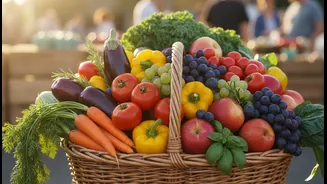
The local market is the beating heart of any Indian town. It's a vibrant, chaotic, and utterly captivating theatre of daily life. Long before the first tourist arrives, these bazaars are buzzing with energy—vendors arranging pyramids of colourful spices, farmers unloading fresh produce, and the air filling with the scent of blooming flowers and frying snacks. To walk through a market like Johari Bazaar in Jaipur or the Mapusa Market in Goa is to receive a direct cultural education. You learn about the local economy, what people eat, what they wear, and the crafts they cherish. These are not sterile, tourist-centric souvenir shops; they are living ecosystems where you can bargain for handmade jewellery, discover rare local textiles, or simply sip a cup of chai and watch the world go by. This sensory immersion creates powerful memories that last far longer than a photograph of a monument.
A Seat at the Family Table
While restaurant food can be delicious, it's often in a family kitchen that you find the true taste of a region. The growing trend of home-dining experiences offers travellers an unparalleled opportunity to connect with local culture through food. Sharing a meal in someone's home moves you from being a mere observer to an active participant. Here, recipes are stories passed down through generations, and every dish reflects the area's history and geography. Platforms and homestays across the country now connect travellers with local families eager to share their culinary traditions, from learning to make flaky parathas in a Rajasthani kitchen to understanding the complex spice blends of a Keralan fish curry. These are not just cooking classes; they are lessons in hospitality, tradition, and the simple joy of sharing food.
Your Guide to Going Local
Finding these authentic experiences is easier than you might think. The key is curiosity. When you arrive in a new town, ask your guesthouse owner, a shopkeeper, or a taxi driver where they buy their vegetables or get their favourite snacks. Look for the crowded stalls away from the main tourist drag, as that’s usually where the best food is found. For home-dining, look for accredited homestays or use dedicated platforms that vet their hosts. Many local guides also offer specialised food and market walks that provide insider access and cultural context. Stepping off the beaten path requires a little courage, but the rewards—in the form of genuine interactions and unforgettable flavours—are immense.
Where to Begin Your Journey
India is dotted with countless smaller cities perfect for this kind of travel. Consider the French Quarter of Puducherry, with its blend of Tamil culture and colonial charm. Explore the bylanes of Udaipur, which, despite its fame, still holds intimate corners. In Kochi, you can wander through the historic Jew Town and spice markets. For a different flavour, the cities of Lucknow, known for its refined cuisine and old-world courtesy, or Bhubaneswar, a city of ancient temples, offer rich cultural tapestries waiting to be explored. Each offers a unique window into the diverse soul of India, proving that the most memorable trips are often found in the places you least expect.