





More Than a Place to Walk
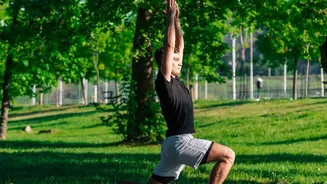
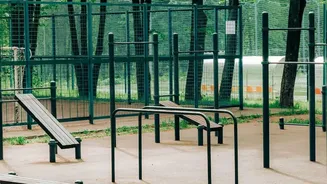
When we think of outdoor fitness, a morning jog or a brisk walk often comes to mind. But modern shared spaces have evolved far beyond simple trails. Today, they encompass open-air gyms with weather-proof equipment, community yoga lawns, public basketball
courts, and dedicated zones for callisthenics. These areas transform public parks from passive leisure spots into active wellness hubs. The most obvious benefit is, of course, physical. Having free and easy access to facilities for strength training, cardio, and flexibility exercises encourages people to adopt and maintain healthier habits. Regular physical activity is proven to improve cardiovascular health, build strength, and reduce the risk of chronic diseases.
Breaking Down Financial Barriers
One of the most significant advantages of shared outdoor fitness zones is their accessibility. A membership to a private gym can be a considerable expense, creating a barrier for many individuals and families. Publicly available equipment eliminates this financial burden entirely. This democratisation of fitness ensures that people from all socioeconomic backgrounds have the opportunity to stay active. By placing equipment in easily reachable public parks, communities provide a free, 24/7 alternative that encourages everyone to invest in their well-being without worrying about the cost. This is a crucial step in reducing health inequalities within urban and suburban populations.
Building Muscle and Community
Perhaps the most underrated benefit of these spaces is their power to foster social connection. Unlike the often solitary, headphone-driven experience of an indoor gym, outdoor fitness areas are natural social hubs. They become places where neighbours meet, parents exercise while their children play nearby, and strangers strike up conversations, sharing tips and motivation. These casual, informal interactions are the bedrock of community cohesion, reducing feelings of isolation and helping to build a sense of belonging. These spaces can host group workout sessions, walking clubs, and community fitness challenges, transforming exercise from a solo chore into a shared, enjoyable activity.
A Natural Boost for Mental Health
The benefits of exercising outdoors extend deep into our mental and psychological well-being. Research consistently shows that spending time in nature, often called 'green exercise', has a profound impact on our minds. Just 20 minutes in a green space can significantly lower levels of cortisol, the body's primary stress hormone. Being surrounded by fresh air, sunlight, and natural scenery helps reduce symptoms of anxiety and depression, boosts mood, and enhances mental clarity. In a world dominated by screens and indoor environments, these shared outdoor spaces offer a vital, restorative escape that improves focus and overall emotional stability.
Designing for True Inclusivity
For a shared outdoor space to truly serve its community, it must be designed for everyone. This means thinking beyond one-size-fits-all solutions. An inclusive fitness park offers a variety of equipment that caters to different ages, abilities, and fitness levels—from low-impact machines for seniors to strength-building apparatus for seasoned athletes. Thoughtful design also includes ensuring pathways are wide and smooth for wheelchair access, providing clear instructional signage, and incorporating shaded rest areas. Some of the most successful spaces feature wheelchair-accessible equipment, allowing all members of the community to exercise safely and comfortably.