

The Konkan Coastal Marvel: Mumbai to Madgaon
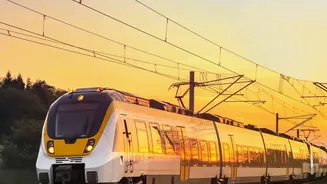
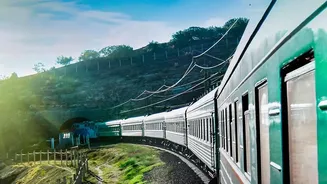
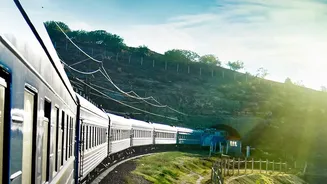
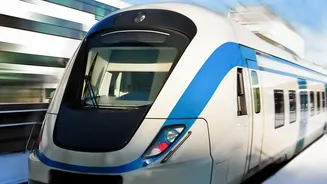
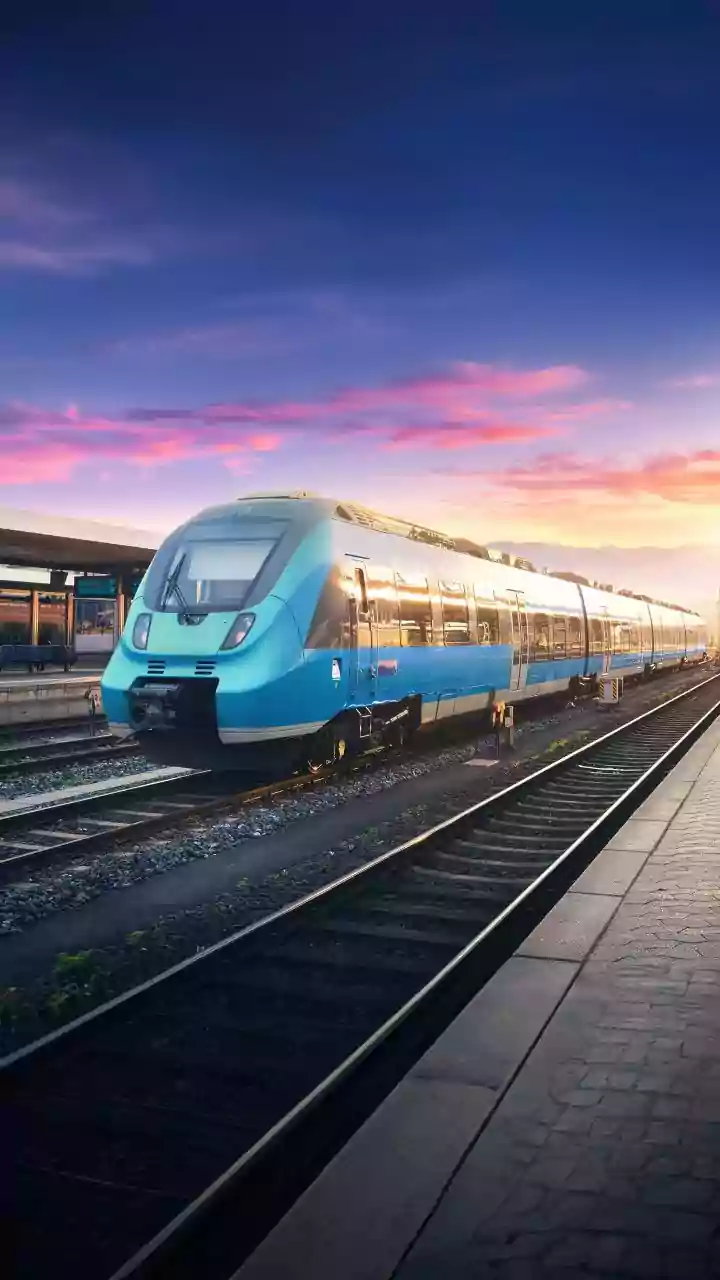
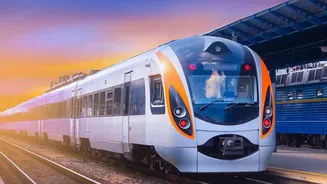
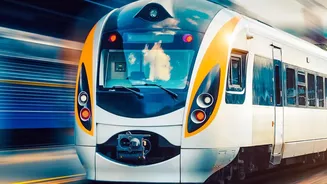
Often hailed as one of India's most breathtaking train journeys, the Mumbai-Goa route is a visual spectacle, especially during the monsoon season. The Vande Bharat Express glides along the famed Konkan Railway, a marvel of engineering that cuts through
the rugged Western Ghats. Passengers are treated to a dynamic panorama of cascading waterfalls, vibrant green valleys, and mist-covered mountains. The train crosses over 2,000 bridges and passes through more than 90 tunnels, including the lengthy Karbude tunnel. Unlike the often-congested highway, this route offers uninterrupted views of lush fields and glimpses of the Arabian Sea. In under eight hours, travellers are transported from the bustling metropolis of Mumbai to the serene beaches of Goa, making the journey itself a memorable part of the holiday.
A Journey Through 'God's Own Country': Kasaragod to Thiruvananthapuram
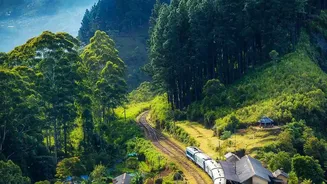
Connecting the northern and southern tips of Kerala, this Vande Bharat route is a journey through the heart of 'God's Own Country'. It presents a unique corridor that showcases the state's defining geographical features. On one side, passengers can admire the misty peaks of the Western Ghats, while on the other, the landscape is dotted with coconut groves and coastal vistas. The train winds through verdant paddy fields, serene backwaters, and bustling towns, offering an immersive experience of Keralan life. The large windows of the Vande Bharat provide an excellent vantage point to soak in the lush, rain-fed beauty of the region. It's a comfortable and efficient way to traverse the length of the state for a weekend exploring its diverse cultural and natural attractions.
Gateway to the Himalayas: New Delhi to Dehradun
For those in the capital seeking a quick mountain retreat, the New Delhi-Dehradun Vande Bharat is the perfect choice. In under five hours, the train escapes the urban sprawl and transitions into the serene foothills of the Himalayas. The journey becomes particularly picturesque after crossing Haridwar, where the tracks run alongside dense forests and the landscape begins to climb. The final approach into the Doon Valley offers genuinely misty mountain terrain, providing a refreshing change of scenery. This route makes destinations like Dehradun and the nearby hill station of Mussoorie highly accessible for a short, rejuvenating weekend break, with the scenic ride setting a tranquil tone for the trip ahead.
From Southern Metropolis to Royal City: Chennai to Mysuru
Connecting two of South India's iconic cities, this Vande Bharat service is a journey through history, culture, and changing landscapes. Starting from Chennai, the train moves from the coastal plains into the heart of the Deccan Plateau. Passengers witness a beautiful transition from bustling urban centres to vast green farmlands and the gentle, rolling hills that signal the approach to Mysuru. The comfort and speed of the train make it an easy weekend trip, allowing travellers to swap city life for the royal charm and pleasant climate of Mysuru. As South India's first Vande Bharat Express, this route remains popular for those looking to explore the palaces, markets, and tranquil atmosphere of the heritage city without a lengthy road journey.
Through the Heart of the Deccan: Visakhapatnam to Secunderabad
This popular route connects the coastal city of Visakhapatnam with the vibrant hub of Secunderabad, offering passengers a journey across the states of Andhra Pradesh and Telangana. The train travels through the Eastern Ghats, providing views of the region's unique topography. The scenery is a pleasant mix of rustic countryside, small towns, and stretches of lush greenery, particularly around areas like Raigir in Telangana. While it is one of the longer Vande Bharat journeys at over eight hours, its high speed and popularity underscore its role as a vital link between these two major hubs. For weekend travellers, it offers a comfortable and direct connection to explore the distinct cultures of both the coastal and interior Deccan regions.