




The Traditional Summer Dilemma
For generations, the perception of a ‘proper’ Indian meal has often been synonymous with richness. Deep, complex gravies built on a base of onions and tomatoes, generous dollops of ghee, and creamy, cashew-laden kormas are pillars of celebratory and even
everyday cooking. While deeply satisfying, these dishes can feel overwhelming when the temperature soars past 40 degrees Celsius. The body works harder to digest heavy, fatty foods, leading to a feeling of lethargy often called a ‘food coma’—the last thing anyone wants during an already draining summer day. This culinary dissonance has set the stage for a significant shift in how Indians approach their summer plates.
The Rise of Conscious Eating
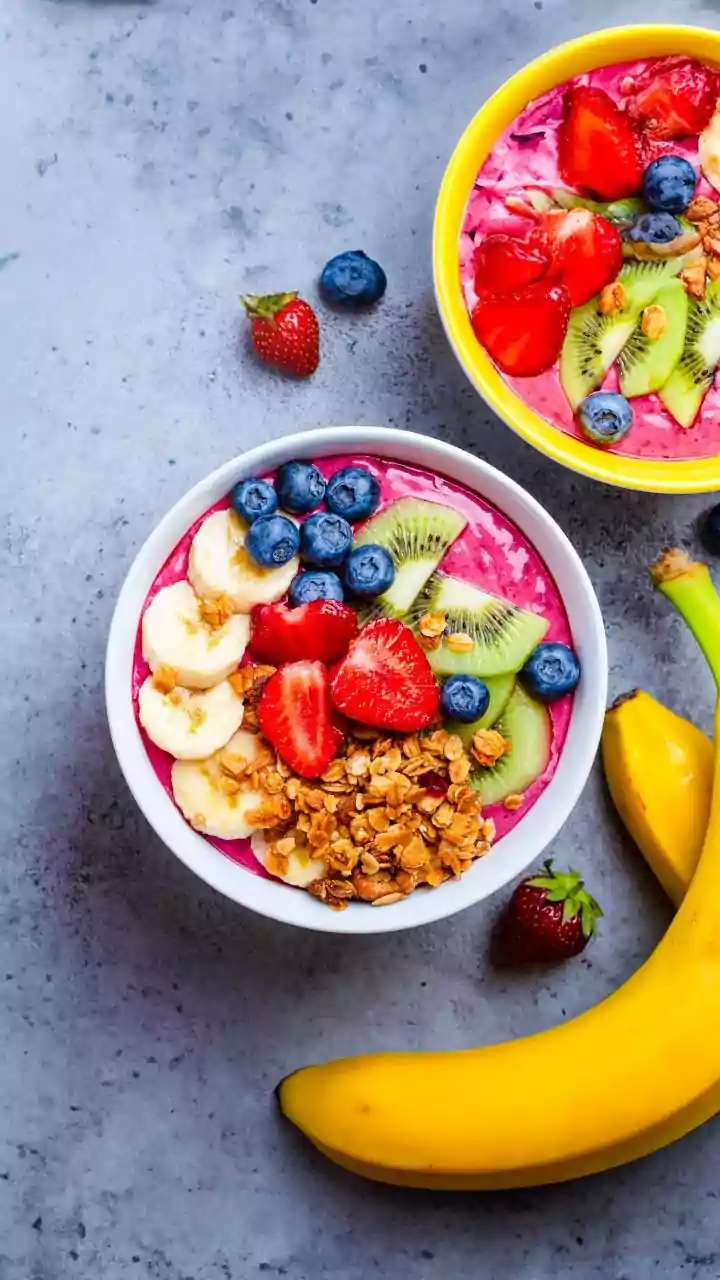
A major driver of this change is the nationwide wave of health and wellness consciousness. More than ever, urban Indians are aware of concepts like calorie counts, macronutrients, and the glycemic index. The focus has moved from simply feeling full to feeling nourished and energised. Heavy, oil-laden curries and deep-fried snacks are being viewed not just as indulgent, but as counterproductive to modern lifestyle goals. This isn't about dieting or deprivation; it's about making smarter choices. People want food that supports an active life, helps manage weight, and doesn't weigh them down, especially during the months when the heat naturally saps energy.
A Return to Ancient Wisdom
Interestingly, this “new” trend is less of a revolution and more of a revival. Many of the lighter summer food habits being adopted today are rooted in traditional, regional wisdom that was perhaps overshadowed by a more homogenised, richer ‘restaurant-style’ of cooking. Communities across India have always adapted their diets to the seasons. Think of the proliferation of cooling dishes like curd-based pachadi and raita in the south, the tangy and hydrating aam panna of the north, or the Bengali obsession with light fish jhol (a thin, soupy curry) instead of heavier kalias. The resurgence of millets like jowar, bajra, and ragi is a perfect example. These ancient grains are naturally cooling, gluten-free, and lighter on the digestive system than refined wheat or rice, making them ideal for summer rotis and porridges.
The Modern Kitchen Makeover
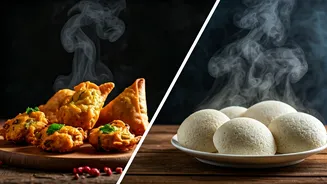
This shift is visible in everyday cooking techniques and ingredient choices. Ghee and cream are now used more as a finishing garnish for flavour rather than a primary cooking medium. Yoghurt-based marinades are replacing heavy cream ones for tikkas and kebabs, as they tenderise meat beautifully while adding a light tang. Cooking methods are also evolving. The air fryer has become a staple in many middle-class kitchens, offering a way to get the crispy texture of pakoras and samosas with a fraction of the oil. Steaming, grilling, and stir-frying are gaining prominence over hours of slow-cooking in heavy masalas. Salads are no longer a sad side dish of sliced onions and cucumbers but are becoming main events, incorporating sprouts, lentils, grilled paneer, and light vinaigrettes made with lemon juice and herbs.
Chefs and Restaurants Leading the Way
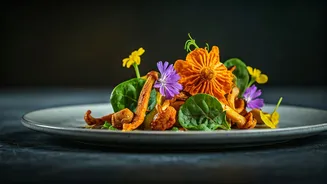
Contemporary Indian chefs have played a huge role in popularising this lighter approach. In fine-dining restaurants from Delhi to Mumbai, chefs are deconstructing classic dishes and reassembling them in fresher, more modern forms. They are championing seasonal and local produce, creating menus that change with the weather. A winter dal makhani might be replaced by a light, yellow lentil soup in the summer. A rich mutton rogan josh might give way to a delicately spiced grilled fish. This innovation at the high end of dining trickles down, inspiring home cooks through television shows, social media, and a general cultural acceptance that Indian food can be both authentic and light.