







Identify the Source of the Smell
Before you can treat the problem, you must find its origin. A musty odour is primarily caused by mould and mildew, fungi that thrive in damp, poorly ventilated areas. These organisms release gases called microbial volatile organic compounds (MVOCs), which
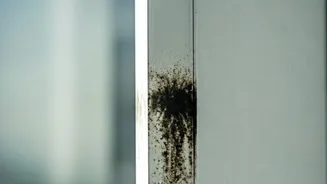
produce the distinct earthy smell. Common culprits include leaky pipes, damp basements or bathrooms, wet laundry left for too long, or even high indoor humidity, which often exceeds 70-80% during the Indian monsoon. Inspect your home for visible signs of mould, which can appear as black or green patches, and check for dampness under sinks, behind furniture, and inside wardrobes.
Immediate Solutions for Fresher Air
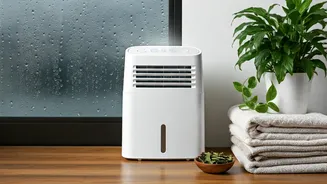
Once you've located the problem area, you can take immediate steps to clear the air. Ventilation is your first and most effective tool. Open windows and doors to create a cross-breeze, and use fans to push stale, moist air outside. For enclosed spaces, natural odour absorbers work wonders. Place bowls of baking soda, activated charcoal, or even white vinegar around the room to neutralize smells overnight. These substances don't just mask the odour; they absorb the particles causing it. If a room feels particularly damp, running a dehumidifier can significantly lower humidity levels, making it harder for mould to grow.
Tackling Musty Wardrobes and Clothes
Wardrobes are a common hotspot for musty smells, as they are dark, enclosed, and often lack airflow. The first rule is to ensure all clothes are completely dry before you store them. Storing even slightly damp clothes will create a breeding ground for mildew. To combat existing smells, rewash affected garments with your usual detergent plus a cup of white vinegar. For the wardrobe itself, keep the doors open periodically to air it out. Placing moisture absorbers like silica gel packets, activated charcoal bags, or even a simple open box of baking soda on a shelf can help maintain a dry environment. For a natural and traditional Indian approach, consider placing dried neem leaves in corners to prevent mould.
Natural and DIY Deodorisers
You don't need harsh chemicals to freshen your home. Many effective solutions are likely already in your kitchen. White vinegar is a powerful natural deodoriser; a solution of equal parts vinegar and water can be used to wipe down hard surfaces where mould might be growing. The vinegar smell will dissipate as it dries, taking the musty odour with it. Baking soda can be sprinkled on carpets and upholstery, left for a few hours to absorb odours, and then vacuumed up. Freshly ground coffee beans left in an open bowl can also absorb bad smells while imparting a pleasant aroma. For a fresh scent, you can also simmer citrus peels and cinnamon sticks in water on the stove.
Long-Term Prevention Strategies
Eliminating the current smell is only half the battle; preventing its return is key. The ultimate goal is to control moisture. Repair any leaks in your plumbing or roof as soon as you spot them. Ensure your home is well-ventilated, especially in areas prone to moisture like kitchens and bathrooms, by using exhaust fans. During the monsoon, a dehumidifier is a valuable investment to keep indoor humidity levels below 50%. Avoid overcrowding your closets and cupboards to allow air to circulate freely among your belongings. Regular cleaning and dusting also help, as dust can trap moisture and contribute to stale smells. By making these practices a habit, you can maintain a fresh and healthy home environment year-round.