

Why The Sudden Love For Rain?
The shift away from traditional peak-season travel is driven by a desire for more authentic and affordable experiences. According to recent travel reports, the monsoon is no longer seen as an obstacle but an attraction in itself. Travellers are discovering
that the rains transform familiar landscapes into lush, green wonderlands. Practical benefits are also a major draw. Flights and hotels are often cheaper, and popular destinations are far less crowded, offering a more relaxed and personal holiday. Furthermore, a recent Airbnb report noted a nearly 40% year-on-year increase in searches for domestic monsoon getaways, highlighting a move towards shorter, more frequent trips, or 'micro-cations', that fit easily into busy schedules. This trend points to a new kind of traveller: one who prioritises unique experiences, such as wellness retreats and cultural immersion, over conventional sightseeing.
Kerala: The Green Paradise
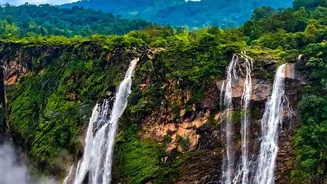
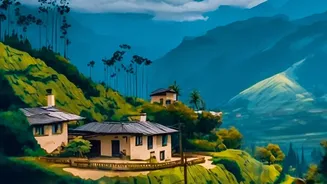
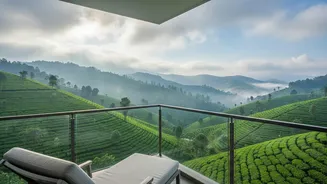
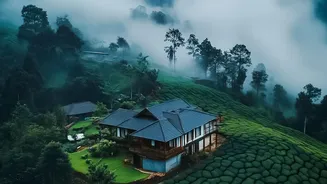
When it comes to monsoon travel, Kerala is often the first name that comes to mind. Destinations like Munnar and Wayanad become exceptionally beautiful, with tea gardens washed clean and waterfalls like Attukal roaring to life. The backwaters in Alleppey offer a unique charm as rain drums on the roof of a houseboat, surrounded by vibrant greenery. Beyond the scenery, the monsoon is considered the best time for Ayurvedic treatments, adding a layer of wellness to the travel experience. With fewer tourists, you can enjoy the serene landscapes of the Western Ghats and the rich cultural tapestry of places like Kochi at a slower, more intimate pace.
Rajasthan: Royalty in the Rain
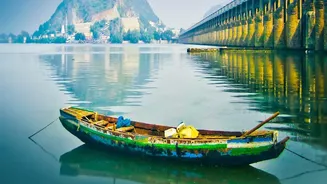
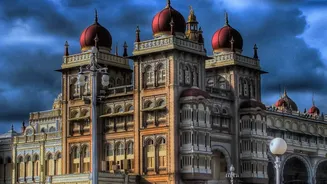
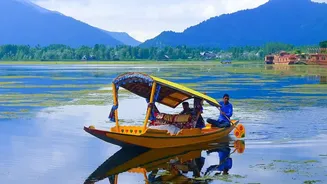
While typically known for its arid landscapes, Rajasthan undergoes a dramatic monsoon makeover that is attracting a growing number of visitors. Cities like Udaipur, the 'City of Lakes', become incredibly romantic as lakes like Pichola fill up, offering magical boat rides against the backdrop of rain-washed palaces. Heritage destinations such as Kumbhalgarh and Ranakpur offer enchanting views of forts surrounded by lush greenery. Even wildlife sanctuaries in Ranthambore and Sariska, while partially closed, provide rewarding safaris in their buffer zones, where the replenished landscape attracts a variety of birdlife. This has given rise to 'green tourism' in the state, with travellers seeking immersive nature stays over conventional hotels.
The Hills: Maharashtra and Uttarakhand
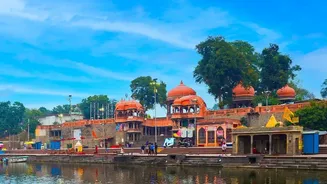
For those in Western India, the twin hill stations of Lonavala and Khandala in Maharashtra are classic monsoon getaways. Just a short drive from Mumbai and Pune, these spots come alive with gushing waterfalls, misty valleys, and the simple pleasure of enjoying hot snacks in the cool, rain-soaked weather. Further north, Uttarakhand offers its own monsoon magic. While heavy rains can make some areas inaccessible, the famed Valley of Flowers National Park, a UNESCO World Heritage Site, is in full bloom during this season, presenting a carpet of alpine flowers that makes for a heavenly trek. Destinations like Rishikesh have also seen a huge surge in popularity, with searches growing over 200%, as travellers seek spiritual and wellness experiences by the rain-swollen Ganga.
Goa and Coorg: Coastal and Coffee Charm
Goa during the monsoon offers a completely different vibe from its peak-season party reputation. The beaches become quiet and dramatic, the fields turn a vibrant green, and waterfalls like Dudhsagar are at their most powerful. It’s a time for quiet relaxation, exploring spice plantations, and enjoying the state's culture without the crowds. Similarly, Coorg in Karnataka, often called the 'Scotland of India', is a dream for lovers of mist-covered hills and the aroma of coffee. The region’s numerous waterfalls, like Abbey Falls, are in full flow, and trekking through the fog-covered coffee plantations provides an experience that is unique to the season. These destinations are leading the charge as Indian travellers seek out regional spots that offer rich local cultures and a slower pace of life.