

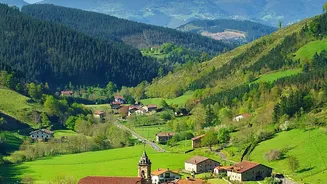
Craving an escape from city noise? A journey into the heart of Chhattisgarh offers a perfect antidote. This four-day itinerary is your guide to the serene forest villages of the Bastar region, a land of quiet nature and vibrant tribal culture.
Day 1: Arrival in Jagdalpur and Sunset at Chitrakote
Your journey
into tranquility begins with your arrival at Jagdalpur, the main hub for exploring the Bastar district. The city is accessible by air, rail, and road. After settling into your accommodation—consider an eco-resort or a community-run homestay for an authentic experience—prepare for an evening of awe. Your destination is the Chitrakote Waterfall, often called the 'Niagara of India'. Located about an hour's drive from Jagdalpur, this majestic waterfall on the Indravati River is India's widest. The sheer scale is breathtaking, especially during the post-monsoon months when the water volume is high. Find a good viewpoint to watch the sunset, as the changing light paints the cascading water and misty spray in shifting colours. For dinner, you can find local eateries near the falls or head back to your stay for a traditional meal, immersing yourself in the simple, quiet life from your very first evening.
Day 2: Forest Immersion in Kanger Valley National Park
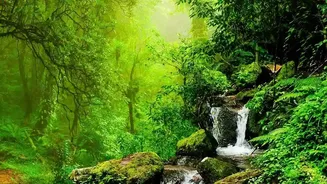
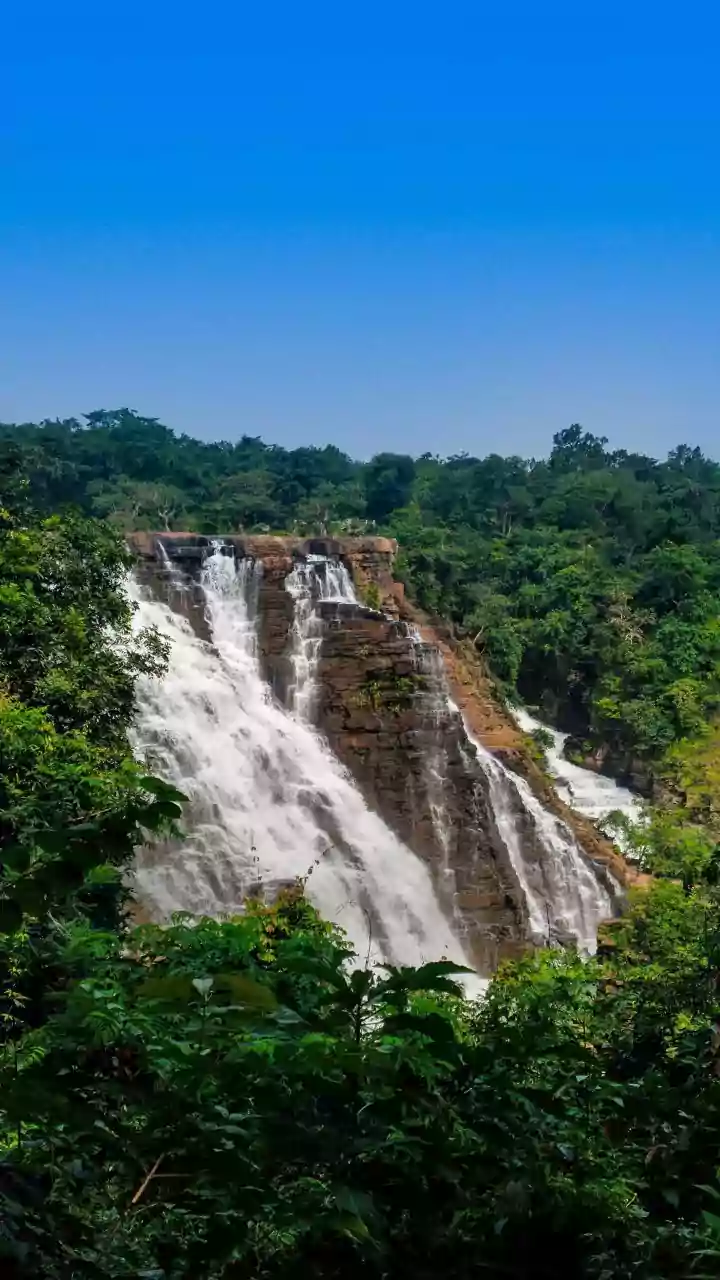
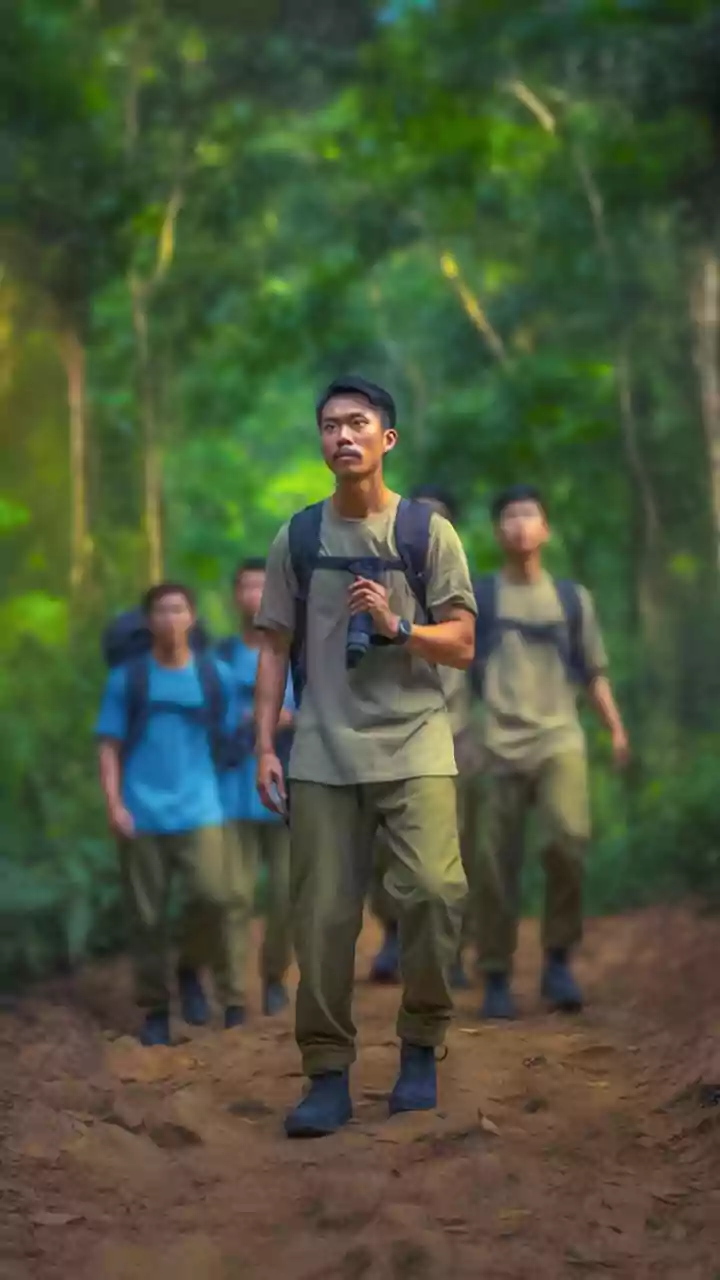
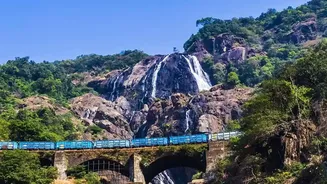
Today is dedicated to exploring the rich biodiversity of Kanger Valley National Park, a treasure trove of dense forests, unique caves, and stunning waterfalls. Start your morning early to make the most of the day. The park is home to a wide variety of flora and fauna, and a guided nature walk is an excellent way to learn about the local ecosystem. Your first stop inside the park should be the Tirathgarh Waterfall. Unlike the vast expanse of Chitrakote, Tirathgarh is a beautiful block waterfall that descends in multiple tiers, creating a milky white cascade perfect for photography. Afterwards, venture into the ancient limestone caves. Kotumsar and Kailash caves are known for their impressive stalactite and stalagmite formations. Exploring these subterranean wonders is a unique adventure, revealing a hidden world beneath the forest floor. Remember to hire a local guide, as their knowledge is invaluable and access can be restricted. Conclude your day with a quiet evening, reflecting on the natural wonders you have witnessed.
Day 3: A Glimpse into Tribal Culture
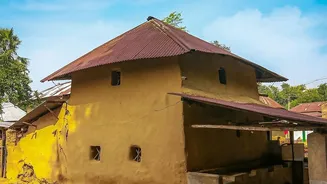
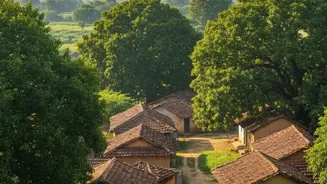
Chhattisgarh's forests are not just about nature; they are home to ancient tribal communities with rich cultural heritage. Dedicate your third day to gently and respectfully experiencing this human element of Bastar. Many tour operators and local guides can facilitate a visit to a tribal village of communities like the Gond or Maria. Here, you can observe their way of life, which is deeply intertwined with the forest. Another fantastic way to immerse yourself in the local culture is by visiting a 'haat' or weekly market. These bustling markets are the lifeblood of the region, where different communities come together to trade goods, from fresh produce to intricate handicrafts. You can see the famous Dhokra metal craft and terracotta items, and even sample local delicacies. It’s a vibrant, sensory experience that offers a genuine insight into the local economy and social fabric. Always remember to be a responsible tourist: ask for permission before taking photographs and be respectful of local customs.
Day 4: Riverside Serenity and Departure
On your final day, embrace the tranquility of the Indravati River once more. Instead of the powerful falls, seek out a quiet spot along the riverbank for a peaceful morning walk. Some local operators offer serene boat rides on calmer stretches of the river, providing a different perspective of the landscape. This is a perfect time for birdwatching or simply sitting and absorbing the sounds of the forest. Before heading to the airport or railway station for your departure, you might want to visit the Anthropological Museum in Jagdalpur to deepen your understanding of the tribal communities you have encountered. It provides context to the art, culture, and history of the Bastar region. This last stop provides a thoughtful conclusion to your journey, solidifying the memories of the unique interplay between nature and culture you've experienced.