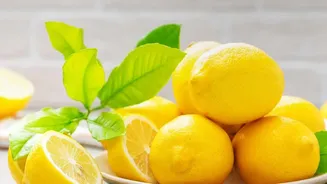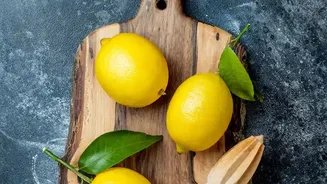

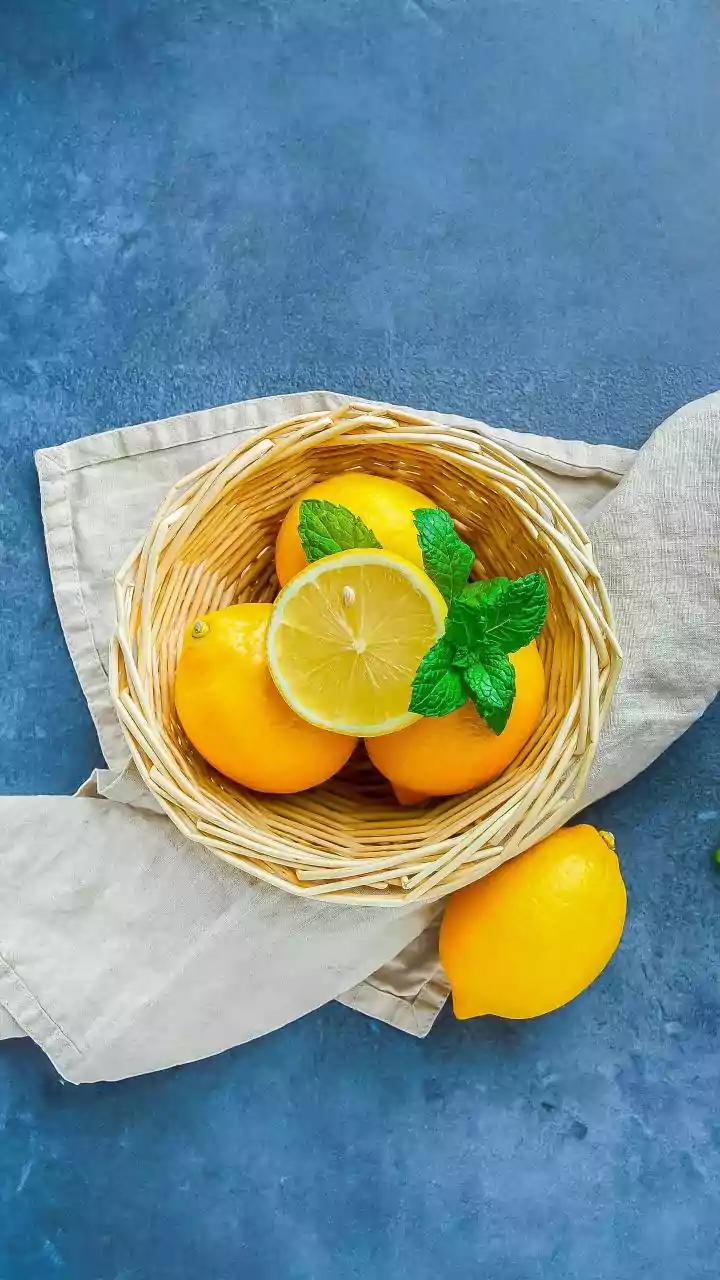



That humble lemon sitting on your counter holds a secret weapon: its zest. While the juice is great, the fragrant outer peel packs a powerful punch of bright, aromatic flavour that can elevate everyday dishes from good to truly memorable.
The Zest and Nothing But the Zest
Before you start,
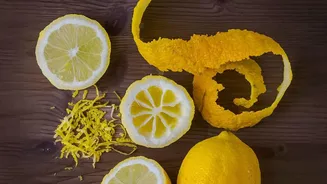
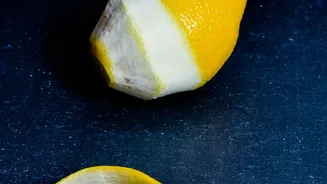
it’s important to know what you’re after. The zest is the colourful, outermost layer of the lemon peel. This is where the fruit’s fragrant essential oils are concentrated. Beneath it lies the pith, the white, spongy layer which is quite bitter and best avoided. To get the good stuff, you’ll need the right tool. A microplane grater is arguably the easiest and most popular, creating a fine, snow-like zest that melts into batters and sauces. You can also use the small holes on a box grater, a vegetable peeler to create long strips that you then mince with a knife, or a special channel zester for elegant curls to garnish drinks. Whichever method you use, remember to wash and dry the lemon first, and only grate until you see the white pith underneath.
Awaken Your Savory Dishes
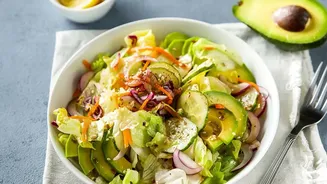
Lemon zest is a game-changer in savory cooking, cutting through richness and adding a fresh, aromatic lift without extra liquid. A sprinkle can transform creamy pasta sauces, preventing them from feeling too heavy on the palate. It’s a classic partner for chicken, whether you’re making a marinade for grilling, a dry rub for roasting, or seasoning thin cutlets for a quick pan-fry. Roasted or steamed vegetables, from asparagus and green beans to cauliflower and potatoes, are instantly brightened with a touch of zest added just before serving. You can also whisk it into vinaigrettes for a more complex salad dressing or fold it into grain bowls with rice or quinoa for a subtle, fresh flavour.
Brighten Bakes and Breakfasts
Baking is where lemon zest truly shines, infusing batters and doughs with its sunny fragrance. It’s a perfect addition to muffins, scones, pound cakes, and cookies, pairing beautifully with other flavours like blueberry, almond, and vanilla. For a more intense flavour, try rubbing the zest into the granulated sugar with your fingertips before mixing it into your batter. This helps release the essential oils, ensuring that citrusy aroma permeates every bite. Beyond baking, a little zest can liven up your morning routine. Stir it into yogurt, sprinkle it over a bowl of oatmeal, or add it to pancake or waffle batter for a bright start to your day.
Desserts, Drinks, and More
The versatility of lemon zest extends well into desserts and beverages. It's a key ingredient in classics like lemon curd, lemon bars, and creamy possets. A bit of zest can also cut through the sweetness of rich, cream-based desserts like cheesecake and custards. In drinks, long strips of zest are perfect for garnishing cocktails, releasing their aromatic oils with a simple twist over the glass. You can also make a flavourful lemon sugar by mixing dried zest with granulated sugar; use it to rim cocktail glasses, sweeten iced tea, or sprinkle over crêpes. For a simple, refreshing drink, add a few strips of zest to a pitcher of water for a naturally infused beverage.
Don't Waste a Drop (or a Peel)
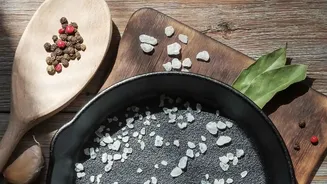
Once you get into the habit of using lemon zest, you'll find endless opportunities. If you zest a lemon but don't need the juice right away, you can wrap the zested lemon tightly and store it in the fridge for a few days. Conversely, if a recipe only calls for juice, don't throw away the peel. You can zest the entire lemon and freeze the zest for later use. Simply spread it on a small plate, freeze until solid, then transfer to an airtight container. You can also infuse olive oil or vinegar with strips of peel for a gourmet finishing touch on salads and pastas, or make your own lemon pepper seasoning at home.