






Create a Detailed Festive Menu
Before you even think about heading to the store, sit down and plan your meals. Festive cooking is different from everyday cooking; it's often more elaborate and involves special ingredients. Decide what sweets and savouries you will make at home and which
ones you'll buy. Write down every single ingredient you need for your planned recipes. This simple act prevents you from wandering the aisles and grabbing things on impulse. A clear plan for meals, snacks, and sweets helps you buy what you need, reducing waste and overspending.
Make a Master List, But Divide It
A common mistake is having one long, chaotic list. Instead, organise your master list into categories like produce, dairy, spices, grains, and, most importantly, a separate section for 'Sweets and Gifts'. This helps you shop efficiently and keeps you focused. It’s also wise to separate your pooja essentials from your grocery list to ensure nothing is forgotten in the festive rush. By creating these distinct lists, you can prioritise essential cooking items first before moving on to optional festive treats.
Never Shop on an Empty Stomach
This is a golden rule of grocery shopping, but it’s especially crucial during Diwali. When you're hungry, everything looks tempting, particularly the colourful displays of mithai and fried snacks. Shopping on a full stomach helps you stick to your list and resist those impulse buys that add up quickly. Eat a healthy meal with protein and fibre before you go out. This will keep you satisfied and less likely to be swayed by festive marketing and your own cravings.
Set a Budget for Sweets
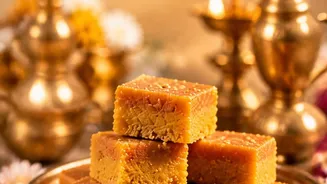
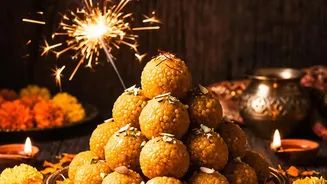
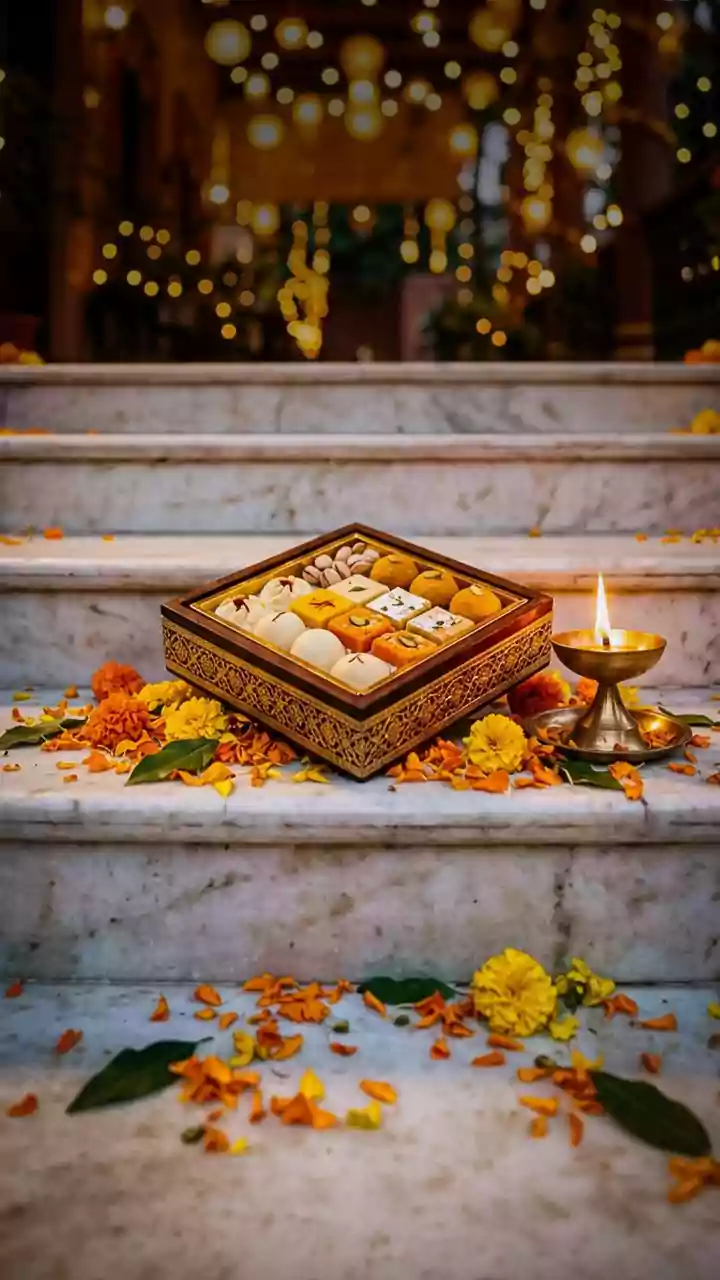
Sweets are an essential part of Diwali hospitality, but you don't need to stock every variety. Decide in advance how many types of sweets you truly need for guests and family. Set a firm budget specifically for these purchases. This forces you to be selective and prevents you from filling your cart with more than you can reasonably consume or gift. When buying ready-made sweets, check freshness and expiry dates to avoid waste. For guests, having a few reliable options like dry fruits, nuts, and savoury mixtures is often more practical than a dozen types of mithai.
Consider Healthier Alternatives and Homemade Options
Store_bought sweets are often loaded with refined sugar and fats. Making sweets at home gives you control over the ingredients. You can reduce the sugar, use natural sweeteners like dates or jaggery, and add nutritious ingredients like nuts, seeds, and oats. If you do buy sweets, look for those made with better ingredients. Gifting and serving boxes of high_quality dry fruits, nuts, or seeds is also a wonderful and increasingly popular alternative to traditional mithai.
Try Online Grocery Shopping
The festive season can be hectic, and stores are often crowded. Shopping for your groceries online can save time and help you avoid temptation. It’s easier to stick to your list when you aren't walking past aisles of beautifully arranged festive treats designed to trigger impulse buys. You can compare prices more easily and review your cart before checking out, giving you a final chance to remove any unnecessary items. This is particularly useful for stocking up on non_perishable pantry staples ahead of time.
Manage Your Inventory Post_Shopping
Once you get your haul home, the management doesn't stop. To curb constant nibbling, store sweets in opaque containers and keep them out of sight. If they aren't constantly visible, you’re less likely to be tempted every time you walk into the kitchen. When guests bring sweets, have a plan. You can either re_gift them, share them with office colleagues, or distribute them to those in need. This prevents your home from becoming a hub of excessive sugar that lingers long after the festival ends.