






More Than Just Hotels and Guides
When a tourist spends money, the economic benefit ripples outwards. This 'multiplier effect' is what makes tourism such a potent job creator. While direct employment in hotels, transport, and tour services is significant, the indirect impact is even more
extensive. For every job created directly in the tourism sector, several more are generated in ancillary industries like food production, handicrafts, retail, and construction. In 2023, the sector created 7.6 crore jobs. The World Travel & Tourism Council (WTTC) projects that by 2035, the sector could support nearly 64 million jobs in India. This makes tourism a critical vehicle for mass employment, offering opportunities to a diverse range of workers, from skilled hospitality professionals to local artisans and transport operators.
Powering India's Heartland
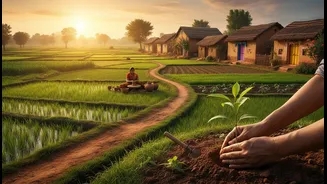
Unlike manufacturing or IT, which are often concentrated in urban hubs, tourism brings economic activity to remote and rural areas. This dispersal of economic opportunity is crucial for balanced regional development. Government initiatives like the Swadesh Darshan scheme are designed to develop theme-based tourist circuits, channelling investment into lesser-known destinations and creating sustainable livelihoods for local communities. By promoting rural, heritage, and eco-tourism, the sector helps reduce the pressure on overcrowded cities and ensures that the economic benefits of growth reach the country's interiors. This focus on regional development transforms villages and small towns into vibrant economic centres, improving local infrastructure and quality of life for residents.
The Backbone of Local Economies
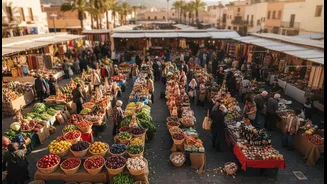
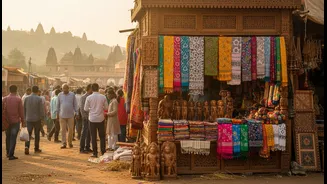
Small and medium-sized enterprises (SMEs) form the backbone of the tourism ecosystem. From family-run homestays and guesthouses to local taxi services, handicraft sellers, and neighbourhood restaurants, these small businesses are the primary beneficiaries of tourist spending. Tourism provides a direct market for their goods and services, fostering entrepreneurship at the grassroots level. Government policies, such as providing MUDRA loans for homestays, are aimed at strengthening this network of small enterprises. By empowering local entrepreneurs, the sector ensures that a significant portion of tourism revenue remains within the community, driving local prosperity and making growth more self-sustaining.
A Pathway to Inclusive Growth
Tourism is a uniquely inclusive sector, offering significant employment opportunities for women and young people. In many regions, tourism-related activities like managing homestays or working as guides have empowered women, giving them a greater role in the local economy and household decision-making. The Draft National Tourism Policy 2022 explicitly aims to create jobs and ensure inclusivity, preserving cultural resources while boosting private investment. Schemes like Swadesh Darshan 2.0 further emphasize community participation, aiming to make local populations active stakeholders in tourism development. This approach not only promotes social equity but also enriches the tourist experience by offering authentic cultural interactions.
Building a Sustainable Future
As India aims to increase the tourism sector's contribution to the national economy to 10% by 2047, the focus has shifted towards sustainability. The government's Swadesh Darshan 2.0 scheme represents a generational shift, moving from simple infrastructure creation to the holistic development of responsible and sustainable destinations. Initiatives like the 'Travel for LiFE' program encourage tourists and businesses to adopt environmentally friendly practices. The goal is to ensure that the growth of tourism does not come at the cost of the natural and cultural heritage that attracts visitors in the first place. By balancing economic ambitions with ecological responsibility, India is working to build a tourism industry that is not only profitable but also resilient for generations to come.