




The Rolling vs. Folding Debate
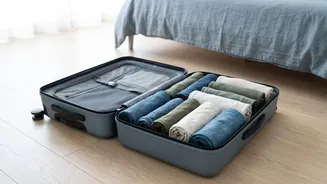
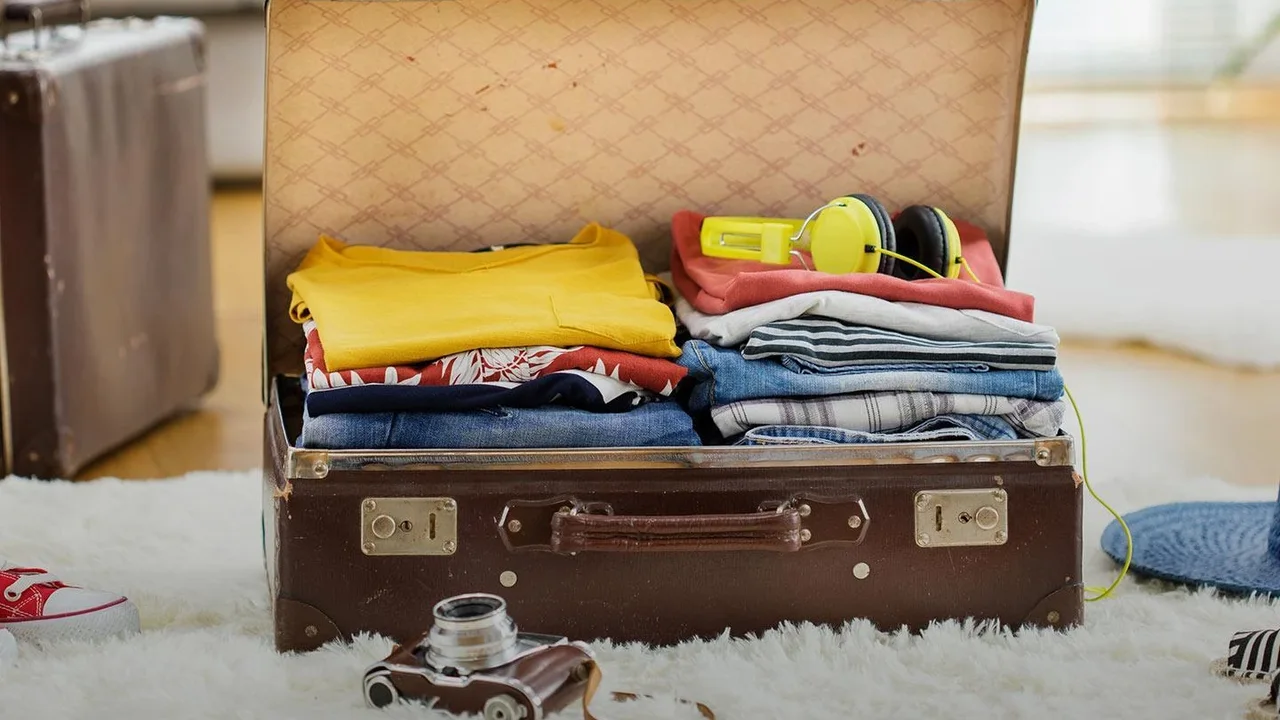
The age-old debate for travelers has a surprisingly simple answer: do both. For most items on a four-day trip—t-shirts, shorts, casual pants, and knitwear—rolling is superior. Tightly rolled clothes are more compact, allowing you to utilize every inch
of your suitcase. This method also helps prevent hard creases that folding can create. However, for more structured or wrinkle-prone garments like a blazer, formal shirt, or dress pants, a careful fold is better. Many travelers agree that a hybrid approach, using the right technique for each garment, yields the best results.
Embrace the Power of Packing Cubes
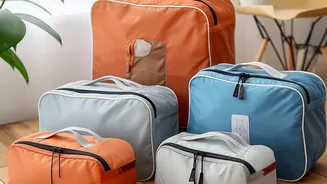
If you're not using packing cubes, you're missing out on a key organizational tool. These fabric containers allow you to compartmentalize your belongings, grouping similar items together. Use one cube for tops, another for bottoms, and a smaller one for undergarments and socks. This system not only keeps your suitcase tidy but also makes unpacking a breeze—you can lift the cubes directly into hotel drawers. For maximum space-saving, opt for compression cubes, which have a second zipper to squeeze out excess air from soft items. Remember not to overstuff them; they should close without straining the zipper.
Try the Bundle Wrapping Method
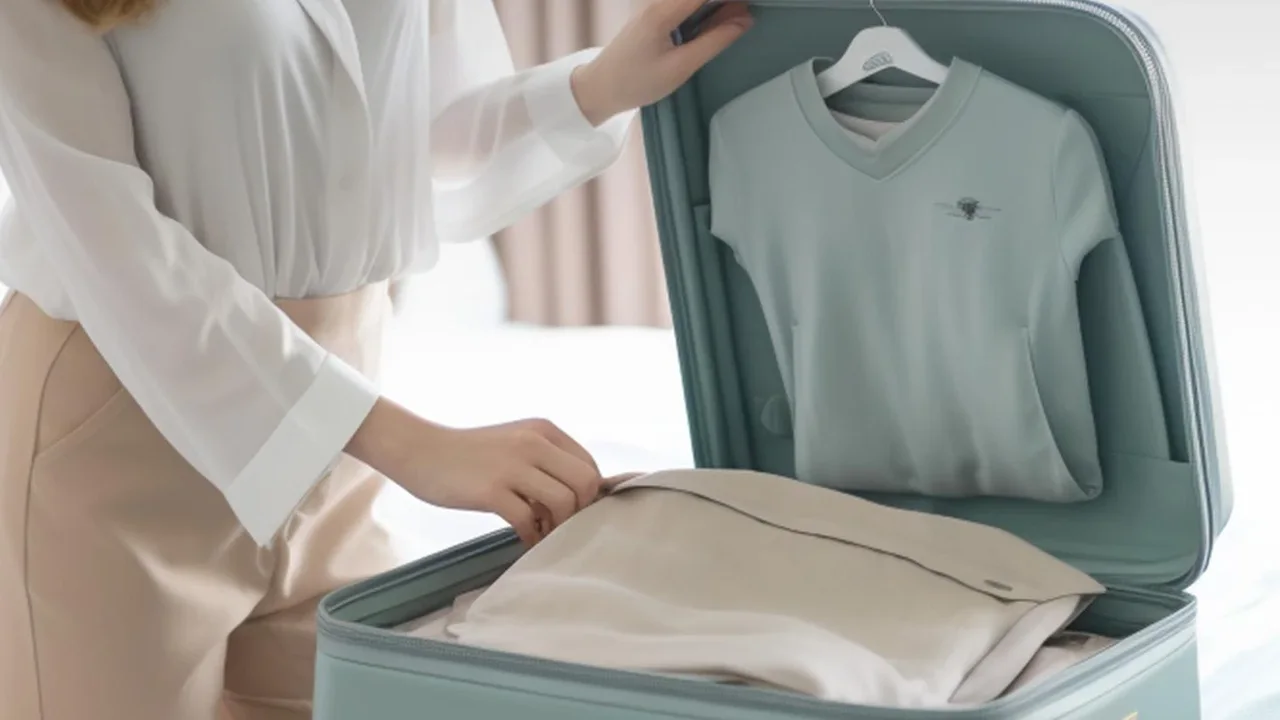
For those committed to arriving wrinkle-free, the bundle wrapping method is a game-changer. This technique involves wrapping your clothes around a central core, such as a small pouch of socks and underwear. You start by laying your most wrinkle-prone items, like a jacket or dress shirt, out flat. You then layer smaller items on top before placing the core in the center and wrapping each garment around it one by one. The gentle tension of the bundle prevents the sharp folds that cause creasing. It creates one snug package that fits neatly into your bag, cushioning delicate items.
Think Multi-Purpose and Minimalist
A four-day trip doesn't require your entire wardrobe. The key to packing light is choosing versatile pieces. Pack neutral-colored tops and bottoms that you can mix and match to create several different outfits. A single pair of shoes that works for both day and night can save a surprising amount of space and weight. The same logic applies to toiletries. Instead of packing full-size bottles, decant your shampoo, conditioner, and lotion into travel-size containers. Better yet, see what your accommodation provides to eliminate redundant items.
Wear Your Weight
One of the simplest ways to avoid overweight fees is to wear your heaviest and bulkiest items on the plane. This includes your heaviest pair of shoes (like boots), your jacket, and any bulky sweaters. You can always take layers off once you're seated on the aircraft. Don't forget about your pockets; they are valuable, weight-free real estate. Use them to carry small, heavy items like a portable charger, your camera, or even a paperback book to lighten the load in your bag.
Final Check: Weigh Before You Go
Don't leave your luggage weight to chance. A portable digital luggage scale is an inexpensive but invaluable tool for any traveler. Weigh your bag before you leave for the airport to ensure you're under the airline's limit. Major airlines often have weight limits around 23 kg for checked bags and 7-10 kg for carry-ons, with steep fees for exceeding them. If you find you're slightly over, you'll have time to rearrange, wear an extra layer, or remove a non-essential item, saving you stress and money at the check-in counter.