
Why We Keep Things
We all have items we just can't bring ourselves to throw away. That first baby blanket, a stack of letters from a grandparent, or a chipped teacup from a beloved aunt. These objects are more than just 'stuff'; they are tangible links to our memories,
our identity, and the people we love. Psychologists explain that we assign emotional meaning to objects, turning them into symbols of important moments. Letting go can feel like losing a piece of our personal history. The problem arises when these items are stored away, out of sight. Instead of bringing joy, they gather dust and a faint sense of guilt. The goal isn't to get rid of everything, but to change our relationship with these objects from one of passive storage to active appreciation.
The 'Out of Sight, Out of Mind' Trap
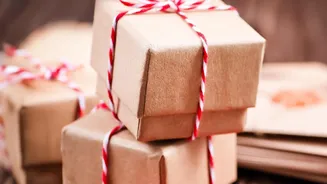
Storing sentimental items in cardboard boxes creates both physical and emotional distance. While the intention is to protect them, the reality is that they are rarely seen or enjoyed. This method turns meaningful heirlooms into clutter. Truly precious memories won't vanish if you discard an associated object, but keeping items should be an active choice that adds to your life now. As organising expert Marie Kondo suggests, tidying sentimental items is about putting the past in order so you can live more fully in the present. The key is to keep things with confidence and give them a place of honour in your home, not a sentence to a dark cupboard.
Make Your Memories Part of Your Home
Instead of hiding your treasures, find ways to integrate them into your existing decor. This approach turns your home into a space that tells your unique story. A gallery wall can showcase more than just photos; it can include framed concert tickets, a child's drawing, or even small three-dimensional objects in a shadow box. This creates a focal point in a hallway or along a staircase that is deeply personal. Think about grouping disparate items by colour or theme to create a display that feels intentional and stylish rather than cluttered. This blend of old and new adds character and prevents your space from feeling stuck in one time period.
Give Old Items a New Purpose
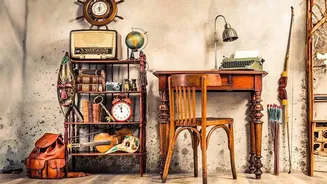
Some of the most cherished items can be given a new life with a little creativity. That beautiful old saree that you’ll never wear again can be transformed into vibrant cushion covers or a table runner. A collection of your grandmother’s embroidered linens can become a beautiful patchwork quilt or be framed as textile art. An old teacup can hold jewellery on a dresser, and a vintage suitcase can be repurposed as a stylish side table with hidden storage. Even furniture that feels dated can be updated. Reupholstering a chair with modern fabric or refinishing a wooden table can make an old piece feel fresh and new, allowing it to blend seamlessly with your contemporary decor.
Create Accessible 'Memory Boxes'
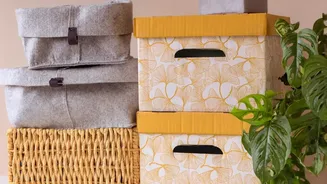
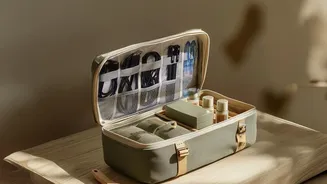
For items that aren't suitable for display, such as letters, cards, and small trinkets, ditch the dusty cardboard. Instead, use beautiful, decorative boxes that you won't mind keeping on a bookshelf or in a cabinet. You could create a curated box for each child, containing their hospital bracelet, first shoes, and special drawings. These become a contained and special collection that is easy to pull out and look through, turning a nostalgic moment into an intentional activity rather than an archaeological dig. The key is that these items remain reachable, allowing you to connect with the memories they hold whenever you wish, without creating a mess.