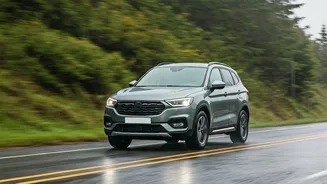




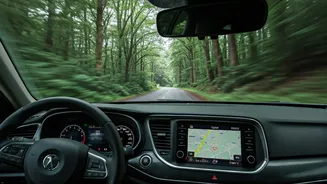



Start with a Pre-Monsoon Car Check-up
Before you even think about hitting the road, your car needs a thorough inspection. This isn't the time to ignore that little warning light. Schedule a visit to a trusted mechanic and ask them to focus on the essentials for rainy conditions. The most
critical components to have checked are your brakes, tyres, and electrical systems. A professional will be able to spot potential issues, like worn brake pads or a weak battery, that could become serious problems in wet weather. Think of it as an investment in peace of mind for your trip.
Focus on Your Tyres
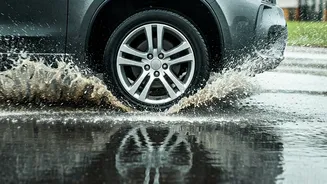
Your tyres are the only part of your car in contact with the road, and their importance multiplies on wet surfaces. First, check the tyre tread depth. A deeper tread is crucial for channelling water away and preventing aquaplaning—a dangerous situation where your tyres lose contact with the road surface. The legal minimum tread depth is 1.6mm, but for monsoon driving, anything below 3mm is risky. Also, ensure your tyres are inflated to the manufacturer's recommended pressure. Under-inflated tyres can overheat and over-inflated ones can reduce grip. Don't forget to check the spare tyre as well.
Ensure Maximum Visibility
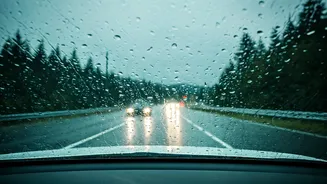
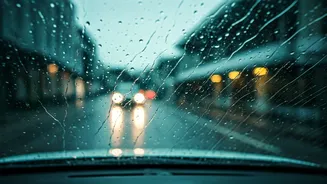
If you can't see, you can't drive safely. Begin with your windscreen wipers. If they leave streaks or make a screeching noise, it's time to replace the blades. It's a small, inexpensive fix that makes a world of difference in a downpour. Top up your windscreen washer fluid, perhaps with a shampoo additive that can help clear grime more effectively. Finally, test all your lights: headlights (low and high beam), tail lights, brake lights, and fog lamps. Clean the lamp covers to ensure they shine as brightly as possible. In low-visibility conditions, they help you see and, just as importantly, help others see you.
Master the Art of Wet-Road Driving
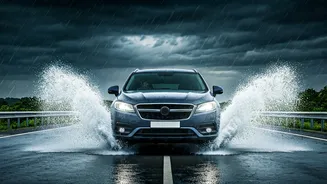
Driving technique needs to adapt to the conditions. The golden rule is to slow down. Your car needs more distance to stop on wet roads, so reduce your speed significantly. Double the standard three-second following distance from the vehicle ahead to at least six seconds. This gives you more time to react to sudden braking. Avoid any sudden manoeuvres—accelerate gently, brake smoothly, and take turns with care. If you have to drive through a puddle, do so slowly and steadily. After exiting, tap your brakes gently a few times to dry them out and ensure they are working effectively.
Know How to Handle Waterlogging
Encountering a waterlogged street is a common monsoon challenge. The first step is to assess the depth. If the water is higher than the bottom of your car's doors, do not attempt to drive through it. You risk water entering the engine or exhaust, causing severe and expensive damage. If you decide it's safe to proceed, stay in a low gear (first or second) and keep the engine revs high by gently slipping the clutch. This prevents water from entering the exhaust pipe. Drive through the centre of the road where the water is usually shallowest, and proceed one vehicle at a time.
Pack a Monsoon Emergency Kit
Your standard first-aid kit is a good start, but a monsoon trip requires a few extras. Pack a powerful torch with spare batteries, a tow rope, and jumper cables. A reflective warning triangle is essential if you break down. Given the possibility of getting stranded, always carry extra drinking water, non-perishable snacks like protein bars and nuts, and a waterproof sheet or old newspapers to place on the ground if you need to change a tyre. A fully charged power bank for your phone is non-negotiable for communication.