





Packing the Wrong Fabrics and Footwear
The most frequent mistake is packing clothes that are unsuitable for high humidity and persistent rain. Heavy fabrics like denim and thick cotton take days to dry, leading to damp, musty luggage. Instead, opt for lightweight, synthetic, and quick-drying
clothes like polyester or nylon blends. These materials are breathable and will dry overnight in a hotel room. Also, leave the fancy leather shoes at home. Pack waterproof sandals or floaters with a good grip to navigate slippery streets and muddy paths. Having a second pair of quick-dry sneakers is a smart backup. Remember, wet feet can lead to fungal infections, so the right footwear is non-negotiable.
Ignoring Critical Health Precautions
The monsoon season sees a spike in waterborne and mosquito-borne diseases like dengue and malaria. A common oversight is consuming street food or drinking water from unreliable sources. The risk of contamination is higher during this period. Stick to bottled or filtered water and ensure the seal is intact. Prioritise freshly cooked, hot meals from hygienic restaurants. It’s also crucial to carry a basic medical kit containing medication for fever, coughs, and stomach upsets, along with a powerful insect repellent. Taking these health precautions ensures your holiday isn't ruined by illness.
Failing to Protect Your Electronics
Rain and humidity are the enemies of electronic gadgets. Many travellers forget that a simple downpour can destroy a phone, camera, or laptop. Relying on a bag that is merely “water-resistant” is not enough. The best strategy is multi-layered protection. Use waterproof pouches or zip-lock bags for individual devices like your phone, chargers, and passport. A dedicated dry bag is an excellent investment for photographers. For added protection against pervasive dampness, toss a few silica gel packets into your electronics bag and main luggage to absorb excess moisture.
Keeping a Rigid and Overly Ambitious Itinerary
Monsoons can be unpredictable. Heavy rains can lead to sudden flight or train delays, waterlogged roads, and landslides, especially in hilly regions. One of the biggest mistakes is trying to see too much in too little time. A packed, inflexible schedule is a recipe for stress. Instead, build buffer days into your travel plan. Stay updated with weather forecasts and be prepared with alternate plans for indoor activities. Choosing a destination closer to your home can also help reduce travel time and related hassles. A flexible mindset is your greatest asset for enjoying a monsoon journey.
Choosing the Wrong Destination
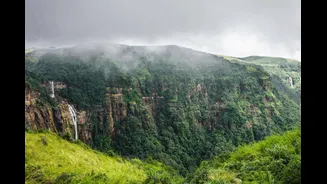
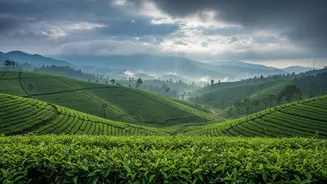
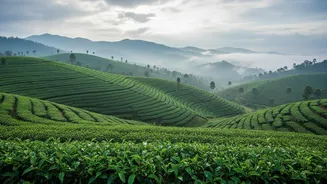
Not all destinations are created equal during the monsoon. While places like Munnar, Coorg, Lonavala, and Udaipur come alive with lush greenery and full lakes, others can be risky. Hill stations in certain parts of the Himalayas can be prone to landslides, and many wildlife sanctuaries close down. Similarly, swimming at many west coast beaches is often prohibited due to rough seas. Research is key. Opt for destinations known to be safe and beautiful during the rains. Regions like Ladakh or the Spiti Valley are in rain-shadow areas and largely escape the downpours, offering a different kind of monsoon escape.
Underestimating Road Travel Risks
Driving during the monsoon requires extra caution. Many drivers make the error of driving at normal speeds on wet, slippery roads, which significantly reduces tyre grip and braking efficiency. It’s essential to reduce speed, maintain a safe distance from the vehicle ahead, and use headlights for better visibility. Avoid driving through waterlogged streets, as you cannot see hidden potholes or open manholes. If your car gets stuck in deep water, never try to restart the engine, as this can cause severe damage. Before you begin, ensure your vehicle's tyres, brakes, and wipers are in top condition.