

What Is a Story-Led Interior?
A story-led interior is a space that reflects the lives, passions, and history of the people who live there. It's more than just following a trend; it's about curating a home that feels uniquely personal. This approach uses design to express a narrative,
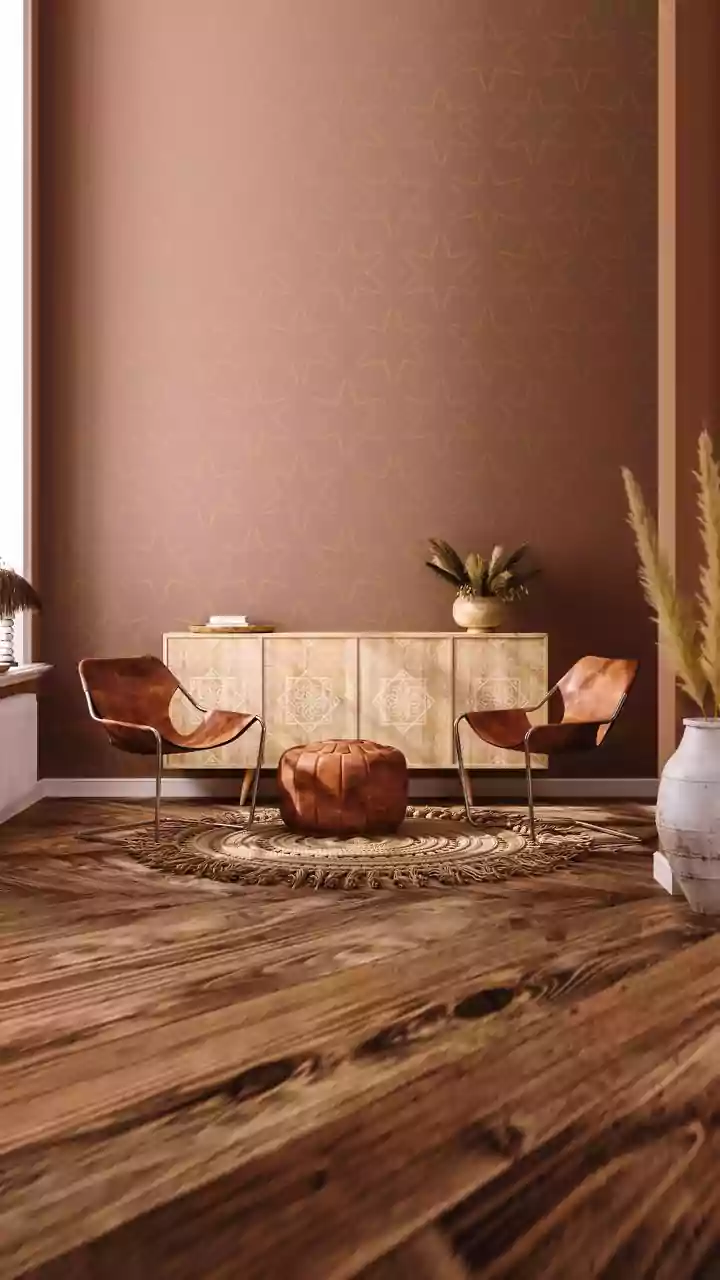
whether it's through a collection of travel souvenirs, inherited furniture, or a colour palette that evokes a cherished memory. Every object has a purpose beyond mere decoration; it contributes a 'chapter' to the overall story of your home. The goal is to create an environment that feels authentic and emotionally resonant, a space that doesn't just look good, but feels like you.
The Unsung Hero: Clear Walkways
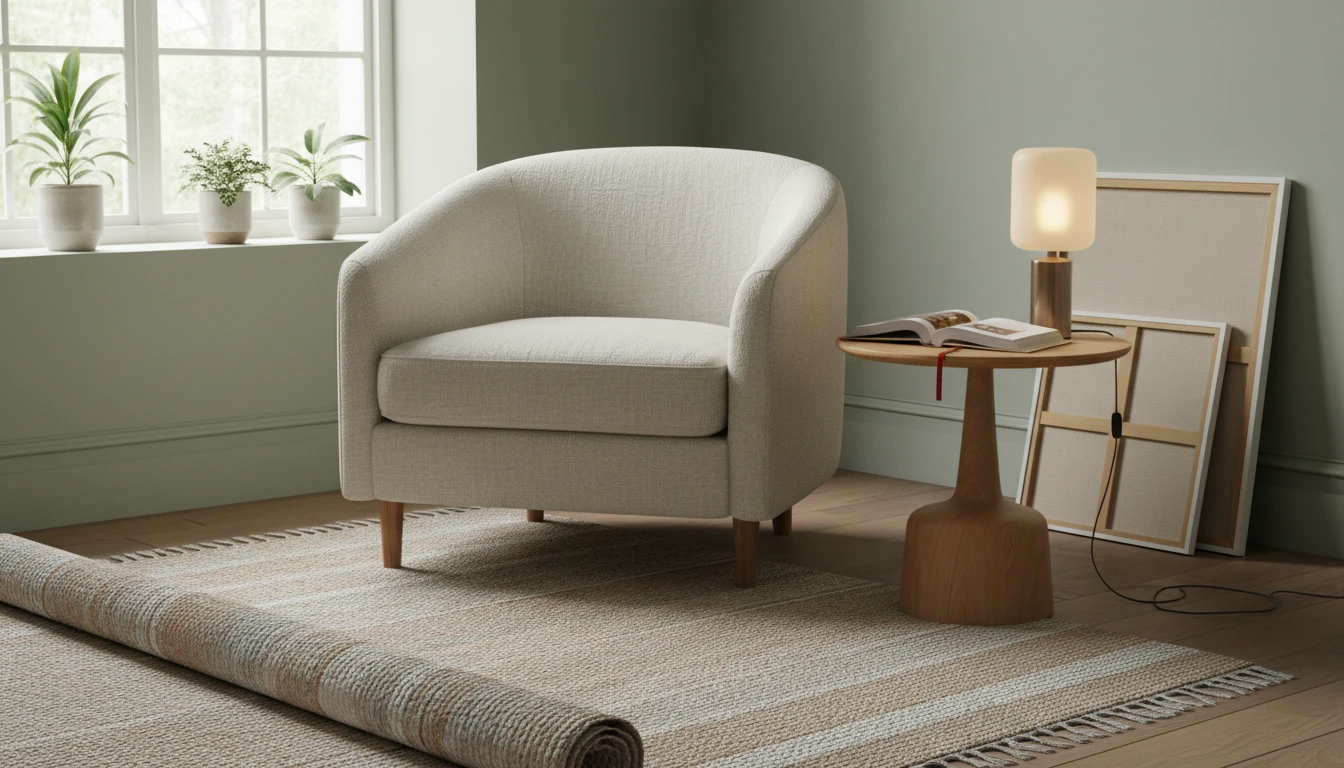
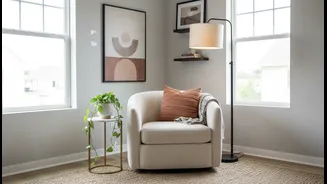
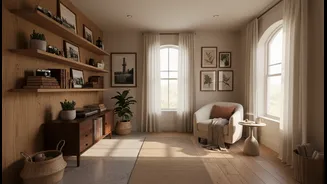
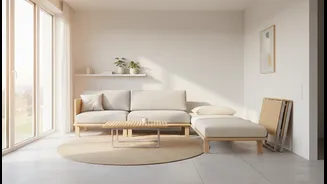
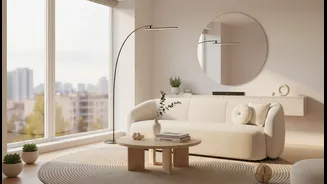
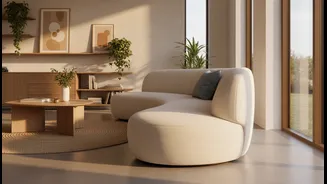
A story is useless if no one can navigate it. In home design, walkways are the narrative paths that guide you and your guests through your space. They create flow and rhythm, allowing each 'chapter' of your home to be experienced without obstruction. When walkways are cluttered or poorly defined, the entire home can feel chaotic and cramped. A clear path not only ensures safety and easy movement but also provides visual 'breathing room'. This negative space is crucial, as it allows your curated story pieces—a gallery wall, a special armchair—to stand out and be appreciated. Think of walkways as the intentional pauses in your story, giving every element the space it needs to shine.
Storage as a Curatorial Tool
Often seen as a purely functional problem, storage is actually one of the most powerful tools in narrative design. Effective storage isn't about hiding everything you own; it's about choosing what to hide so your story can be told more clearly. Just as a museum curator stores most of a collection to highlight a few key pieces, your storage should serve to edit your space. By concealing the daily clutter—extra cushions, mail, electronics—you allow your meaningful objects to take centre stage. This is particularly vital in many Indian homes where space can be a premium and multi-generational living means accommodating many different needs and possessions. The goal is to make your storage work for your story, not against it.
Weaving Function Into Your Narrative
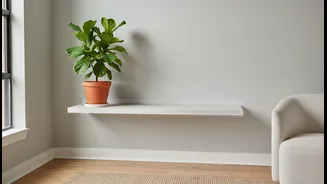
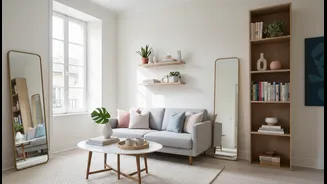
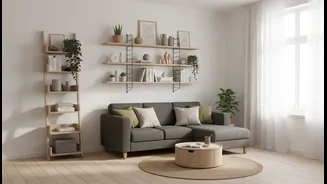
Balancing story and function is an art, but it's one with practical rules. Start by choosing multi-functional furniture. An ottoman with hidden storage can hold blankets while telling a story with its fabric. A beautiful bookshelf isn't just for books; it's a stage for your most prized objects. Use vertical space to your advantage. Floating shelves can display your travel finds without taking up floor area, keeping walkways clear. When planning a room, first map out your primary traffic paths and protect them. Then, build your story around these paths. This approach ensures that functionality becomes the strong, invisible framework upon which your beautiful, personal narrative is built.
Making It Work in Indian Homes
In the context of Indian homes, this balance is both a challenge and an opportunity. With fluctuating family sizes and a culture of hospitality, spaces often need to be flexible. Multi-functional furniture is a lifesaver, from sofa-cum-beds to wall-mounted foldable tables. Smart storage solutions tailored for our needs, like modular kitchen cabinets for our diverse spices and utensils or customized wardrobes that use every inch of vertical space, are essential. Hidden storage, such as under-bed compartments with hydraulic lifts or storage behind mirrors, helps maintain a clean aesthetic while housing the necessities of a busy family life. By embracing these clever solutions, a home can host a large family gathering one day and feel like a serene, personal sanctuary the next, all while telling a consistent story.