

The End of the Perfect Postcard
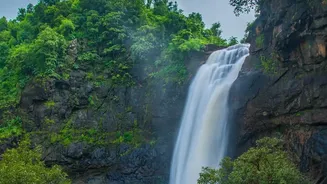
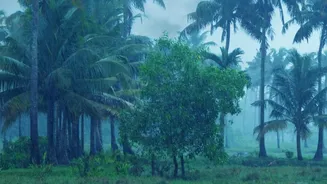
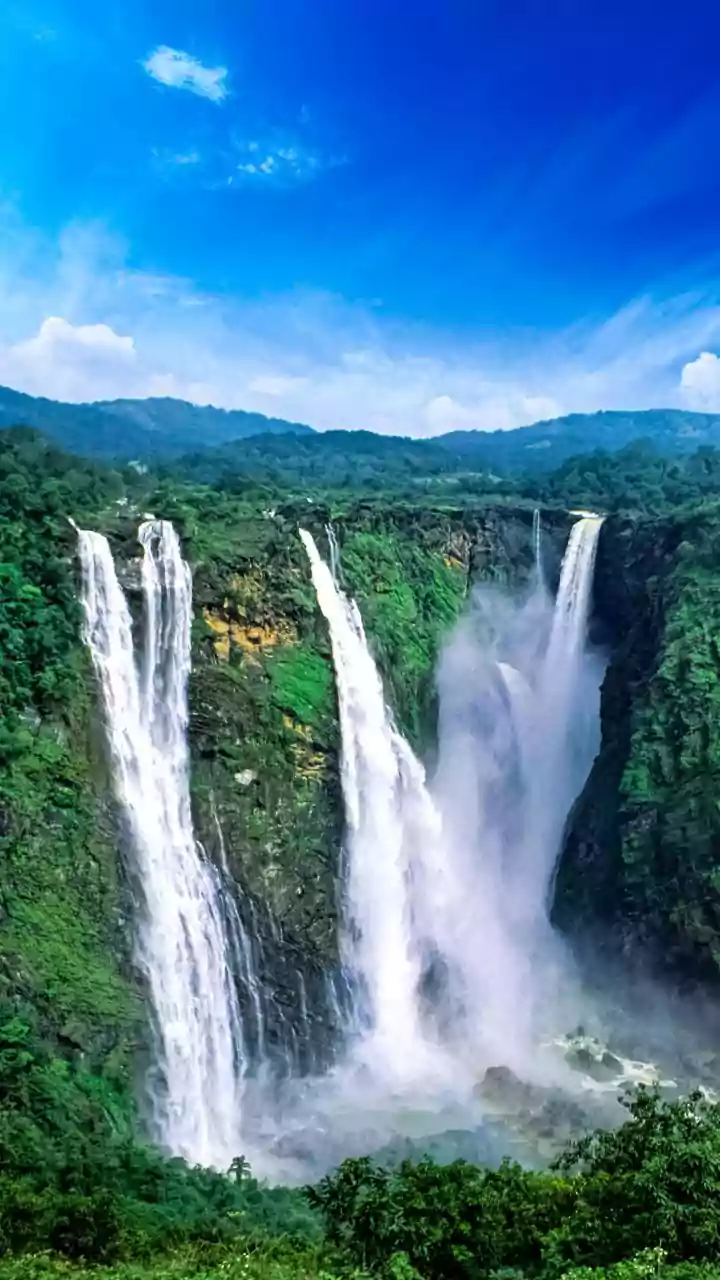
For years, travel was a form of collection—ticking off destinations, capturing the same iconic shots seen on social media, and curating a flawless online gallery. The monsoon season, with its dramatic skies and vibrant green landscapes, was prime content.
But a quiet rebellion is underway. Travellers in 2026 are showing signs of social media fatigue, growing wary of experiences that feel more like a performance than a genuine break. The pressure to present a perfect, 'Instagrammable' life is giving way to a desire for authenticity. The goal is no longer to capture the perfect image of a rain-drenched fort but to feel the rain, to experience the moment without the mediating lens of a smartphone camera.
What 'Personal Travel' Really Means
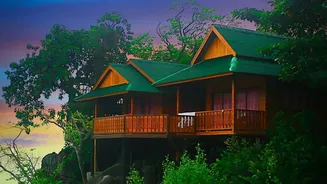
This new trend is less about specific destinations and more about the intention behind the journey. It's the rise of 'slow travel,' a philosophy that champions depth over breadth. Instead of a frantic, multi-city tour, it might mean spending a week in a single homestay in Coorg, learning about coffee cultivation from the hosts. It could be joining a pottery workshop in a quiet Rajasthani village or dedicating a trip to wellness and spirituality in Rishikesh, a destination that has seen a 200% year-on-year surge in searches. This approach transforms travel from a passive act of sightseeing into an active process of engagement—with a place, a community, or a personal interest. It's about returning from a trip with a new skill or a new perspective, not just a full memory card.
The New Monsoon Itinerary
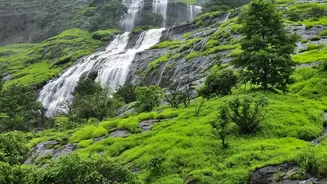
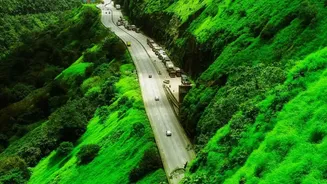
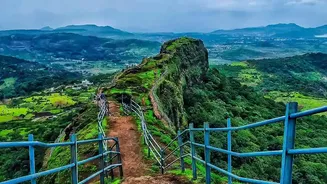
So what does this look like in practice? Instead of the usual crowded hill stations, travellers are seeking out offbeat getaways. Search data shows rising interest in places that offer unique experiences, such as the misty valleys of Malshej Ghat in Maharashtra or the historic, rain-washed ruins of Mandu in Madhya Pradesh. Rather than simply visiting Kerala's backwaters, the focus is shifting to experiences like houseboat cruises during the rains or wellness retreats at a fraction of the peak season price. This experience-led approach is redefining the travel map. While major hubs are still popular, the real growth is in destinations that offer cultural immersion, outdoor adventure, or spiritual solace, aligning travel with individual lifestyles and aspirations.
Why This Shift Is Happening Now
Several factors are driving this change. The post-pandemic world has left many feeling burnt out and seeking more meaningful connections. There's a growing awareness of the negative impacts of overtourism, leading conscious travellers to seek less-crowded, sustainable options. The slow travel movement, which started as a niche concept, has gone mainstream, resonating with those tired of returning from vacations feeling more exhausted than when they left. Furthermore, this shift is also practical. Experiential travel can often be more budget-friendly, focusing on local interactions rather than expensive tourist traps. Ultimately, it reflects a broader cultural moment: a move away from external validation and towards internal fulfilment.