






India’s vibrant festival seasons bring immense joy, colour, and community connection. But after the celebrations fade, a less festive reality remains: mountains of waste. Here’s why making a simple switch to reusables is a win for your wallet and the planet.
The Scale of Festival Waste
From large music festivals to local community celebrations, mass gatherings are a cornerstone of cultural life. However, they leave a significant environmental footprint. Globally, major music festivals can generate over 100 tonnes of waste each day. An individual attendee at a multi-day camping festival can produce over 1.4 kg of waste per day. This waste is often a sea of single-use plastics: water bottles, food containers, cheap ponchos, and flimsy decorations. In India, the challenge is amplified during religious and cultural festivals, where traditional practices are now layered with modern disposable conveniences, from plastic-wrapped offerings to synthetic decorations that are discarded after one use. This collective consumption not only strains local waste management systems but also contributes to pollution in our soil and waterways.
The Financial Burden of Disposable Culture
The allure of cheap, single-use festival gear is strong. A ten-pack of plastic cups, a glittery but flimsy banner, or a set of disposable plates all seem like small, insignificant purchases. However, these costs accumulate, not just for one festival but across an entire year of celebrations. Consider the annual cycle: Holi, Diwali, Navratri, Christmas, and countless other regional festivities. Buying new decorations and essentials for each occasion adds up to a substantial hidden expense. A cheap, mass-produced plastic toran for Diwali, for instance, is often binned post-festival, necessitating another purchase the following year. The 'use and throw' model creates a perpetual spending cycle. In contrast, investing in one high-quality, reusable item may have a higher upfront cost, but it eliminates the need for repeat purchases, leading to significant savings over time.
Smart Swaps for a Greener Festival
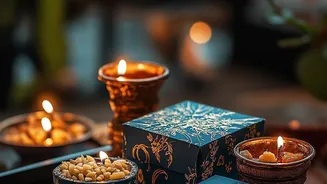
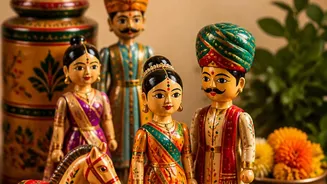
Making the switch to reusables doesn’t require a complete overhaul of your traditions. It’s about making small, thoughtful changes. Instead of plastic decorations, opt for fabric torans, reusable cloth bunting, or brass lamps that can be stored and used for years. For serving food, ditch the disposable plates and cutlery for your own steel or melamine tableware. If you're attending a large event, carry your own reusable water bottle and coffee cup; many festivals now offer free water refilling stations. For Navratri and Durga Puja, choose traditional clay or metal idols over those made with plastic or toxic paints. Even gift-giving can be made more sustainable by using reusable cloth bags or furoshiki-style fabric wrapping instead of glossy plastic paper. These swaps not only reduce waste but often add a more personal and traditional touch to your celebrations.
The Long-Term Savings Breakdown
Let's break down the economics. A quality reusable water bottle might cost the equivalent of 15–20 single–use bottles. If you attend just a few events a year, it pays for itself quickly. The same logic applies to decorations. A well–made fabric banner or a set of LED fairy lights, while more expensive initially than their plastic counterparts, can last for five to ten years. When you divide that initial cost by the number of festivals celebrated over that period, the cost–per–use becomes incredibly low compared to the cumulative cost of buying disposable decor year after year. Furthermore, businesses themselves are finding that switching to reusable systems can be more cost–effective in the long run by reducing the endless cycle of purchasing and disposal. By adopting this mindset as a consumer, you are essentially investing in future savings.
Beyond Your Wallet: The Community Benefit
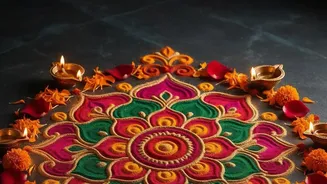
The impact of choosing reusables extends beyond personal savings and into the community. When you support local artisans who create handmade, durable decorations from materials like clay, fabric, or wood, you are investing in local economies. Opting for natural rangoli materials like flower petals and rice flour instead of chemical powders and plastic glitter helps prevent microplastic pollution. Reducing the overall volume of post–festival waste lessens the burden on municipal sanitation workers, who face the monumental task of cleaning up after city–wide celebrations. A cleaner environment benefits everyone, preserving the beauty of public spaces and natural resources for future festivities. Celebrating sustainably is not about sacrificing joy; it’s about aligning our festive spirit with a sense of responsibility for the communities and environments we cherish.