






A Return to Cultural Roots
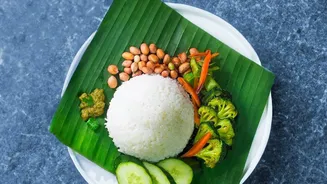
Serving food on a banana leaf is far from a new concept; it is a deeply-rooted cultural practice across India, particularly in the southern and eastern states. For centuries, banana leaves have been the plate of choice for temple offerings (prasadam),
weddings, and community feasts like the Sadhya. For young Indians today, many of whom are navigating globalised urban lives, reviving this tradition is a powerful way to reconnect with their heritage. It’s an act that feels both authentic and intentional, transforming a simple meal into a celebration of culture. This choice goes beyond nostalgia; it is a nod to the wisdom of their ancestors, acknowledging that traditional practices often hold sophisticated, sustainable solutions that modern lifestyles have overlooked.
The Zero-Waste Statement
In an era of climate consciousness, the environmental appeal of the banana leaf is undeniable. Unlike plastic or styrofoam disposables that clog landfills for centuries, a banana leaf is 100% biodegradable and compostable. After a feast, these natural plates can be returned to the earth, enriching the soil instead of polluting it. This presents a guilt-free alternative for hosts, especially for large gatherings where the waste generated can be substantial. Even compared to reusable ceramic or steel plates, the banana leaf wins on certain eco-fronts by eliminating the need for water and detergents for washing. This makes it an incredibly efficient and low-impact choice, aligning perfectly with the zero-waste philosophy that is gaining traction among environmentally aware millennials and Gen Z.
An Upgrade for Health and Flavour
The benefits of this practice are not just environmental but also culinary and health-oriented. Banana leaves are rich in natural antioxidants called polyphenols, similar to those found in green tea. When hot food is placed on the leaf, these beneficial compounds are believed to be gently infused into the meal. Furthermore, the leaf has natural antimicrobial properties that can help keep food safe. But perhaps the most immediate benefit is the enhancement of flavour. The leaf’s waxy surface has a subtle, earthy aroma that is released by the heat of the food, imparting a unique freshness to dishes that no artificial plate can replicate. This sensory experience elevates the meal, making every bite feel more connected to nature.
Sourcing a Conscious Kitchen
The commitment to sustainability extends beyond the plate to the food itself. The headline’s mention of “local organic produce” is key to this trend. Young hosts are increasingly moving away from supermarket chains in favour of sourcing ingredients directly from local farmers and organic producers. This is made possible by a growing ecosystem of farmers' markets, community-supported agriculture (CSA) models, and online platforms that deliver fresh, chemical-free produce directly to urban homes. This farm-to-table approach not only ensures that the food is healthier and tastes better but also supports local economies and reduces the carbon footprint associated with long-distance food transportation. It reflects a holistic view of sustainability, where every element of the meal is chosen with care and consciousness.
The New Aesthetic of Hosting
Finally, this trend is also driven by a distinct aesthetic. A meal served on a lush, green banana leaf is visually stunning. The vibrant colours of curries, rice, and vegetables pop against the natural backdrop, creating a feast for the eyes as well as the palate. For a generation fluent in the visual language of social media, this rustic, earthy, and inherently beautiful presentation is incredibly appealing. It moves away from formal, sterile settings towards something more communal, warm, and grounded. Choosing a banana leaf is a style statement; it signals an appreciation for nature, a respect for tradition, and a modern, understated form of luxury that values experience and ethics over material opulence.