






The Annual Scramble is a Numbers Game
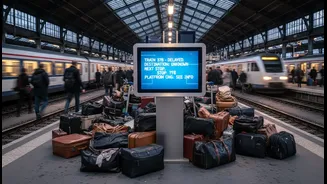
First, let's understand why getting a ticket home for Onam feels like winning a lottery. Onam is one of Kerala's biggest festivals, and lakhs of students and professionals working in cities like Bengaluru, Chennai, Mumbai, and Delhi all try to travel
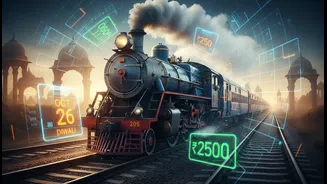
home during the same narrow window in late August. Indian Railways' regular, year-round train services are simply not equipped to handle this massive, temporary surge in demand. Regular train tickets on popular routes are often fully booked months in advance, with waitlists running into the hundreds just minutes after bookings open. This is where 'special trains' come in. They are additional services introduced specifically to manage this festive rush. For Onam 2026, the Railway Minister has announced that over 100 special services will be operated to Kerala to provide some relief.
Decoding the Announcements
A key thing to understand is that these announcements don't happen all at once. First, the Railway Ministry might make a broad statement about the total number of services planned. Then, the operational details are released in batches by the respective railway zones, primarily the Southern Railway for trains to Kerala. These announcements specify the train numbers, routes, timings, and, most importantly, when the booking will open. For instance, in early July 2026, Southern Railway announced the first set of weekly special trains connecting Mangaluru and Chennai, and Thiruvananthapuram and Tambaram, to clear the festive rush. These are often announced just a few weeks or even days before they run, so staying alert is crucial. The best way to keep track is by following the official social media handles (especially on X, formerly Twitter) and websites of Indian Railways and the Southern Railway.
The 'Special' in Special Fares
Here's something every young traveller on a budget should know: 'special' trains often come with 'special fares'. These are not your regular ticket prices. The fare for these trains is typically higher than for a similar journey on a regular Mail or Express train. Railways justify this by explaining that these are additional services run on high-demand routes, often with dynamic pricing similar to airlines. The fare for a special train can be comparable to the Tatkal fare on a regular train, which includes a surcharge of 10% to 30% over the base fare. So, while these trains offer a much-needed seat, be prepared for the ticket to be more expensive than you might usually pay.
Your Booking Day Battle Plan
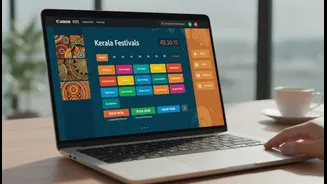
Securing a ticket on a special train is a race against time. Seats can vanish within minutes of the booking window opening, which is often at 8:00 AM on the designated day. Preparation is everything. First, ensure your IRCTC account is active. Use the 'Master List' feature on the IRCTC website or app to pre-save the details of all passengers (name, age, ID proof). This saves crucial seconds during the booking process, as you can select passengers from a dropdown instead of typing everything manually. Second, be ready with a fast payment method. UPI is generally the quickest option. Avoid slower methods like net banking, which can time out during peak traffic. Be logged in a few minutes before the booking opens and be ready to act the second the clock strikes.
Backup Plans and The Tatkal Option
Even with the best preparation, you might not get a confirmed ticket. If you land on a long waitlist, it's often better to immediately look for another option rather than waiting and hoping. Check for other special trains on your route or nearby routes. Sometimes, breaking your journey—booking a ticket from your city to a major hub and then another ticket from there to your hometown—can work. If all else fails, there's the Tatkal quota. Tatkal booking for most trains opens one day before the date of journey, at 10 AM for AC classes and 11 AM for Sleeper class. The competition here is even more intense and the fares are higher, but it serves as a final, last-minute chance to get that precious ticket home.