






The Scorching Reality of the Heatwave
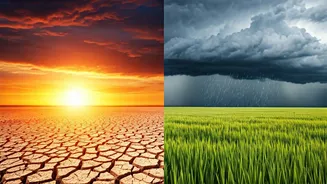
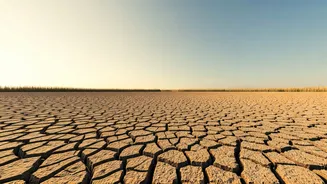
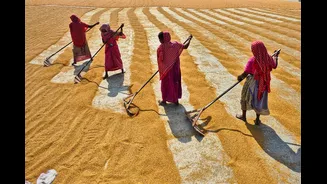
Uttar Pradesh has been reeling under a severe and prolonged heatwave, with temperatures consistently soaring above 40°C in numerous districts. [12, 14] Cities like Banda, Prayagraj, and Varanasi have regularly featured among the hottest places in the country,
with maximum temperatures hitting 42-44°C. [12, 15] The India Meteorological Department (IMD) has issued continuous heatwave alerts, warning that even nighttime temperatures have remained several degrees above normal, offering little respite. [12, 18] This extreme weather poses a direct threat to public health, but children are physiologically more vulnerable. [13] Their bodies do not dissipate heat as effectively as adults, making them susceptible to heat exhaustion, dehydration, and heatstroke. [13, 22]
A Monsoon on Mute
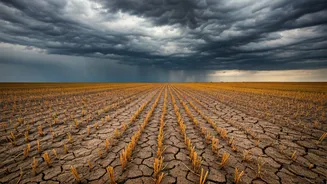
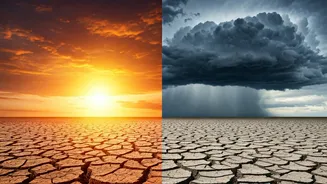
The annual arrival of the Southwest Monsoon is the only true antidote to the punishing summer heat. However, its progress in 2026 has been sluggish. The monsoon's normal onset date for Uttar Pradesh is around June 18, but it is delayed by over a week, with forecasts suggesting it might only reach the eastern parts of the state around June 27 or 28. [20, 15] This delay has deepened the state's rainfall deficit, leaving the land parched and the air hot and humid. [20] The IMD has noted that conditions are becoming favourable, but the slow advance means the immediate relief that many were counting on to allow schools to reopen safely has not materialized. [20, 24]
An Administrative Tightrope Walk
This clash of weather patterns has placed the state government in an unenviable position. Initially scheduled to end in mid-June, summer vacations for schools under the Basic Education Council were extended until June 24 due to the heatwave, with classes planned to resume on June 25. [5, 6, 7] This decision, taken under the direction of Chief Minister Yogi Adityanath, prioritised the immediate safety and health of children. [7, 11] However, it creates a cascade of problems. The Right to Education (RTE) Act mandates a minimum of 220 working days in an academic session. [7, 11] Each extension eats into this crucial academic time, putting pressure on teachers and students to cover the syllabus later in the year and disrupting the mid-day meal programme, textbook distribution, and other essential activities. [7, 11]
The Toll on Learning and Health
Even if schools were to reopen, the conditions are far from ideal for learning. Many schools, particularly in rural areas, have infrastructure that is ill-equipped to handle extreme heat, with concrete or asbestos roofing that traps warmth and poor ventilation. [21, 9] Studies show that high temperatures directly impact children's cognitive abilities and concentration. [8, 9] Teachers report that in hot classrooms, students struggle with fatigue and dizziness. [9] The journey to and from school also becomes a significant health risk. [21] With the heat making it difficult to concentrate and increasing absenteeism, the quality of education suffers, potentially deepening existing inequalities between students who have access to cooling at home and those who don't. [8, 21]
Is This the New Academic Calendar?
This annual scramble to adjust school holidays in response to extreme weather is becoming a recurring theme across India. [9, 21] What was once an anomaly is now a predictable pattern, driven by climate change making heatwaves more frequent, intense, and longer-lasting. [21, 22] This has led to calls for a fundamental rethinking of the traditional academic calendar, which was designed for a more predictable climate. The current situation in Uttar Pradesh is not just a one-off crisis but a clear signal that educational systems must adapt. Proactive, long-term strategies, such as building cooler school infrastructure and officially shifting academic calendars, may be needed to manage this "new normal" instead of relying on reactive, last-minute extensions. [21]