




Why Monsoon Weather Confuses Your Skin
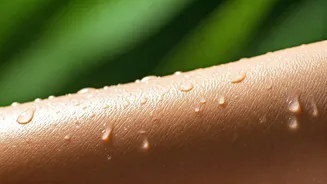
During the Indian monsoon, the air becomes thick with moisture. This intense humidity signals your sebaceous glands to produce more oil, leading to a greasy complexion, clogged pores, and frequent breakouts. [7] It feels counterintuitive to add a moisturiser
when your face already feels slick. However, humidity in the air is not the same as hydration in your skin. [11] In fact, attempts to combat oiliness with harsh cleansers can strip the skin, leaving it dehydrated. A dehydrated skin barrier will overcompensate by producing even more oil, creating a vicious cycle of oiliness and breakouts. [10, 15] The key isn't to skip moisturiser, but to choose one that works with the weather, not against it. [11, 22]
Go Light: Why Texture Is Everything
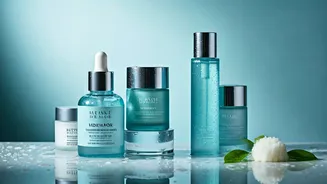
The single most important change for your monsoon skincare is switching to a lightweight texture. Heavy creams, which may have been perfect in winter, can feel suffocating in high humidity, trapping sweat and leading to congestion. [22, 23] Instead, look for oil-free, water-based, or gel-based formulas. [4, 9, 21] These moisturisers absorb quickly, delivering hydration without leaving a sticky or greasy film. [4, 8] Gel-creams and light lotions are excellent options that provide a feeling of freshness and prevent your face from looking like an oil slick by midday, making them a perfect base for makeup. [2, 10]
Read the Label: The Monsoon A-List Ingredients
The right ingredients are crucial for balancing hydration and oil control. Hyaluronic Acid is a star player; this humectant pulls moisture from the humid air directly into your skin, providing a plump, hydrated look without any heaviness. [6, 13, 17] Another monsoon must-have is Niacinamide (a form of Vitamin B3). [6] It's brilliant at regulating sebum production to control shine and minimise the appearance of pores, all while strengthening your skin's barrier. [3, 7, 12] Other beneficial ingredients include ceramides for barrier repair, glycerin to attract moisture, and salicylic acid to keep pores clear. [5, 6, 15] It's also important to look for the 'non-comedogenic' label, which means the product is formulated to not clog pores. [4, 7, 15]
What to Avoid in Your Monsoon Moisturiser
Just as important as what to look for is what to avoid. Steer clear of heavy, occlusive ingredients that form a film on the skin. This includes heavy butters like shea and cocoa butter, which are better suited for dry winter months. [7] Petroleum jelly and mineral oil can also be too heavy for humid conditions, potentially trapping sweat and impurities and leading to clogged pores, especially for those with oily or acne-prone skin. [7] While popular in DIY skincare, even some natural oils like coconut oil can be comedogenic for some and may worsen breakouts during the monsoon. [7] The goal is to let your skin breathe while staying hydrated.
The Myth of Skipping Moisturiser for Oily Skin
One of the biggest monsoon skincare mistakes is skipping moisturiser altogether, especially if you have oily skin. [15, 22] As mentioned, a lack of hydration can trigger your skin to produce even more oil to compensate for the dryness. [10, 23] Even the oiliest skin needs hydration (water), which is different from oil (sebum). A lightweight, oil-free, and non-comedogenic moisturiser will help maintain your skin's barrier function, which is your first line of defence against pollutants and bacteria, more prevalent in the damp monsoon air. [10, 15] A healthy, hydrated barrier leads to more balanced, less reactive skin overall. [10]