






1. The Great Batting Order Mix-Up
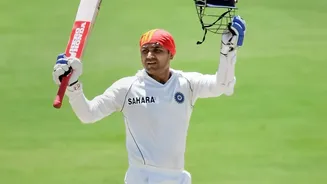
Perhaps the most infamous decision was the complete reshuffling of a world-class batting lineup. Sachin Tendulkar, the master opener who had dominated world cricket from the top of the order, was inexplicably moved to number four. This move, reportedly
driven by coach Greg Chappell, was intended to add stability to the middle order. In reality, it did the opposite. It unsettled Tendulkar, who himself called the move a major reason for the team's failure, and created a domino effect of instability. With Virender Sehwag also struggling for form, the opening combination was a revolving door, featuring Sourav Ganguly and Robin Uthappa. This lack of a settled, confident opening pair meant India consistently failed to get strong starts, putting immense pressure on a disoriented middle order. The entire batting rhythm was lost before the tournament truly began.
2. A Toxic Team Environment
The period leading up to the World Cup was dominated by the sour relationship between coach Greg Chappell and senior players, most notably Sourav Ganguly. Chappell's tenure was marked by accusations of a 'divide and rule' policy and creating a culture of insecurity. Players like Harbhajan Singh and Zaheer Khan later spoke about the negative atmosphere, with Khan calling the coach a 'control freak' who told him he wouldn't play for India again. Robin Uthappa described the team environment as 'very bad' and toxic, stating that Chappell tried to impose an aggressive Australian culture that didn't fit with the Indian dressing room. This off-field turmoil translated into on-field paralysis. A team filled with legends played without confidence or cohesion, culminating in a shocking defeat to Bangladesh that all but sealed their fate. Instead of a united force, they appeared to be a collection of tense individuals.
3. Flawed Strategy and Underestimation
Beyond the personnel issues, India's on-field strategy was deeply flawed. In the must-win opening match against Bangladesh, captain Rahul Dravid won the toss and chose to bat first on a moist pitch that offered plenty of help to the bowlers. India's star-studded lineup faltered, crawling to a meagre total of 191 all out. The defensive mindset was evident. The batsmen struggled to rotate strike and build partnerships against a disciplined, hungry Bangladeshi side who many felt India had underestimated. The loss put India in a do-or-die situation against Sri Lanka. Needing to chase 255 to stay alive, the batting order once again collapsed under pressure, and India fell to a 69-run defeat, confirming their unceremonious exit. The strategic rigidity and inability to adapt to match conditions were just as culpable as any individual failure.