


The Lithium-Ion Cost Barrier
For years, the electric vehicle revolution has been powered by lithium-ion batteries. While effective, their reliance on materials like lithium and cobalt creates significant challenges. These minerals are scarce, geographically concentrated in a few
countries, and subject to volatile pricing. For India, which imports nearly all of its battery-grade lithium, this means EV manufacturing costs are tied to unpredictable global supply chains. This dependency directly translates to higher sticker prices for consumers, pushing many potential entry-level EVs out of the mass-market budget.
Enter Sodium-Ion: Earth-Abundant Energy
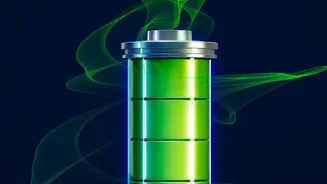
A sodium-ion battery works on a similar principle to its lithium-ion cousin, moving ions between electrodes to store and release energy. The game-changing difference lies in the core material: sodium. Sodium is one of the most abundant elements on Earth, readily available from common salt. This incredible abundance eliminates the geopolitical and scarcity issues tied to lithium. By swapping out expensive, imported minerals for a cheap, domestic resource, the entire cost structure of the battery can be fundamentally reset.
Why Cheaper Materials Matter
The cost advantage of sodium-ion technology is significant, with raw material costs estimated to be 15-40% lower than comparable lithium-ion cells. Sodium carbonate, the source material, is vastly more common and cheaper than battery-grade lithium carbonate. Furthermore, sodium-ion batteries can use aluminium for certain components instead of more expensive copper, further chipping away at the final price. As Indian companies ramp up production, economies of scale are expected to make these batteries even more affordable, creating a clear path toward a sub-₹10 lakh electric car.
The Trade-Off: Range vs. Cost
While sodium-ion batteries excel in cost and safety, they do have a key trade-off: lower energy density. In simple terms, they store less energy for their size and weight compared to high-performance lithium-ion batteries. This means they might not be the first choice for luxury, long-range EVs. However, they are a perfect match for the entry-level segment. For city commuters and buyers of smaller cars, where a moderate range is sufficient and price is the main priority, sodium-ion technology provides an ideal balance. It's not about replacing lithium-ion everywhere, but about creating a new, highly affordable category of EVs.
India's Sodium-Ion Champions
Several Indian companies are aggressively pursuing this technology. Reliance Industries has made a significant move by acquiring Faradion, a leading UK-based sodium-ion tech company, with plans to build a giga-factory in Jamnagar. This facility aims to start production by 2026. At the same time, Pune-based KPIT Technologies has developed its own indigenous sodium-ion battery technology, boasting a long lifespan and fast charging capabilities. KPIT has partnered with Trentar Energy Solutions to commercialize this technology, with plans for a 3GWh manufacturing facility. Firms like Sodion Energy and Indi Energy are also entering the space, signalling a robust domestic ecosystem in the making.