




The Monsoon’s Double-Edged Sword
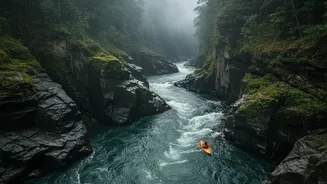
From June to September, Meghalaya becomes one of the wettest places on Earth, with rainfall totals exceeding 400 inches. This deluge turns its rivers into raging, chocolate-brown torrents, creating the powerful Class IV and V rapids that attract elite
paddlers globally. However, this transformation is volatile. River levels can surge exponentially without warning, creating flash floods that can fill canyons in minutes. The crystal-clear waters of the dry season are replaced by muddy, silt-heavy flows that hide new dangers. The very conditions that promise the ultimate challenge also demand the highest level of respect and caution.
Know Your River: More Than Just a Name
Meghalaya boasts several legendary rivers, each with a unique personality that is amplified during the monsoon. The Kynshi, Umngot, and Umtrew are names spoken with reverence in the paddling community. The Kynshi is an iconic, big-volume river with difficult and dangerous rapids. The Umtrew and Umngot, while sometimes calmer in other seasons, become wild and unpredictable, offering the highest difficulty ratings for recreational kayaking. The steep gradients of the Khasi and Jaintia Hills create furious drops and powerful whirlpools. Scouting rapids is non-negotiable. Familiarity with a river in the dry season means little when it is a swollen, different beast entirely. Features change, new hazards like submerged trees (strainers) appear, and escape routes can vanish.
Skillset: Are You Truly Ready?
Paddling Meghalaya's monsoon-swollen rivers is strictly for expert, Class V kayakers. This is not the place to push your limits or overestimate your abilities. You must be comfortable in big, powerful water and possess a bombproof roll and swift self-rescue techniques. The ability to read complex, fast-moving water is critical to identifying hazards like hydraulics and siphons, which are often hidden in the murky flow. Experience with multi-day expeditions in remote settings is also crucial. Accessing many of these canyons is difficult, often requiring strenuous jungle trekking, and the ability to be self-sufficient is paramount. You must be prepared for long, arduous portages around unrunnable sections.
Gearing Up for Survival
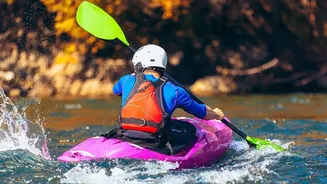
Standard kayaking gear is not enough. Your equipment must be robust and reliable. A high-quality helmet and a whitewater-specific Personal Flotation Device (PFD) are absolute must-haves. Given the churning water, a spray skirt is essential to prevent your boat from swamping. Carry a throw rope and know how to use it effectively for rescues. A paddling knife, securely attached to your PFD, is vital for emergencies, such as entanglement in ropes or unseen debris. Your kit should also include a comprehensive first-aid kit, a headlamp, and fire-starting materials in a dry bag. Since most expert paddlers bring their own equipment to Meghalaya, ensure your kayak is in perfect condition, as rental options for high-performance boats are scarce.
The Unbeatable Value of Local Guides
The single most important safety measure you can take is to hire an experienced local guide. Adventure tourism in Meghalaya is largely run by Khasi and Jaintia youth who possess an unparalleled, generational knowledge of the terrain. They understand the rivers' behaviours and flash-flood patterns in a way no outsider can. These guides are not just navigators; they are your lifeline, providing crucial information on weather changes, safe camping spots, and emergency exit routes. They can also facilitate communication with remote villages and navigate the complex logistics of reaching put-ins and take-outs. Always respect and heed their advice; their knowledge is your best defense against the river's unpredictable power.
Final Checks: Rescue, Reality, and Respect
Before launching, ensure everyone in your group is clear on hand signals and emergency procedures. Never paddle alone. Always inform someone of your detailed itinerary and expected return time. Cellular service is unreliable or non-existent in these remote canyons, so do not depend on it for rescue. Be prepared to hike out if necessary. Finally, remember that you are a guest in this unique landscape. Respect the local culture, environment, and the raw power of the rivers. The reward for this meticulous preparation is an unforgettable journey through one of the world's most dramatic and challenging whitewater destinations.