
Recognising a Possible Fracture
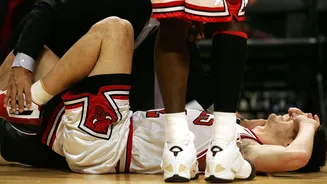
It can be difficult for a first-aider to be certain if a bone is broken, but you should treat it as a fracture if you see clear signs. Look for significant pain, swelling, or bruising at a specific point on a limb. A key indicator can be a visible deformity,
where a limb is bent at an unnatural angle. The person may have heard or felt a snap at the moment of injury and might be unable to move the limb or put weight on it. If you're in doubt, it is always best to treat the injury as a fracture until a medical professional can make a diagnosis, often with an X-ray.
The Golden Rule: Keep Them Still
The single most important principle of fracture first aid is to prevent movement of the injured area. Any motion can increase pain, worsen the break, and potentially damage surrounding nerves, muscles, and blood vessels. Your main goal is not to 'fix' the bone but to stabilise the injury and stop it from getting worse. Encourage the person to stay as still as possible and reassure them that help is on the way. This calm, confident approach can help reduce their anxiety and pain perception.
What You Should Do: A Step-by-Step Guide
First, ensure the area is safe for both you and the injured person before approaching. If there is any bleeding, this is your first priority. Apply firm pressure to the wound with a sterile bandage or a clean cloth. If bone is protruding, press on the area around the wound, not directly on the bone itself. Do not attempt to push the bone back in. Support the injured limb in the position you found it using cushions, blankets, or rolled-up clothing to prevent movement. Applying a cold pack, like ice wrapped in a towel, for 15-20 minutes can help reduce swelling and numb the pain. Never apply ice directly to the skin. If possible without causing more pain, elevate the limb above the level of the heart to further limit swelling.
What Not to Do: Avoiding Common Mistakes
Just as important as knowing what to do is knowing what to avoid. Never try to straighten, realign, or 'set' a suspected broken bone. This can cause severe damage. Do not massage the injured area, as this can increase swelling and bleeding. Avoid giving the person anything to eat or drink, as they may require surgery and need an empty stomach for anaesthesia. You should also avoid removing clothing or shoes by pulling them off; if necessary, cut the fabric away from the injury. Finally, do not ask the person to 'test' the injury by moving it or bearing weight.
Managing Shock and Seeking Help
A serious injury can sometimes cause a person to go into shock. Signs include pale, cold, and clammy skin, rapid breathing, confusion, or faintness. If you suspect shock, have the person lie down, if possible with their legs slightly elevated, and cover them with a blanket or coat to keep them warm. Your calm reassurance is vital. You should call for an ambulance if the injury involves a large bone like the thigh or pelvis, if the bone is protruding through the skin, if there is heavy bleeding, or if the person shows signs of shock. For smaller, less severe suspected fractures, you may be able to transport the person to an urgent care clinic or hospital yourself.