


Plan Your Design Before You Shop
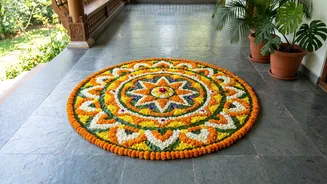
One of the most common mistakes is buying flowers first and designing the pookalam later. This often leads to overspending and wasted petals. Before you head to the market, decide on the size and complexity of your design. Use chalk to sketch a simple
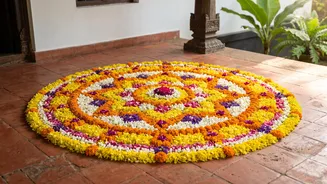
outline on the floor. A classic circular pattern is elegant and easy for beginners. Having a clear plan ensures you only buy what you need, preventing last-minute impulse purchases of expensive blooms. A smaller, well-executed design can often be more striking than a large, sparse one.
Embrace Budget-Friendly Flowers
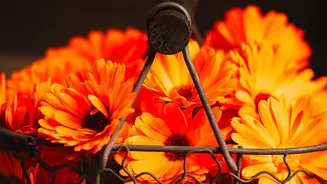
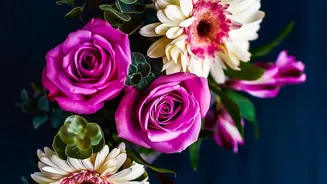
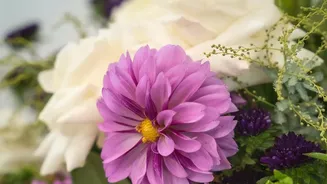
Not all flowers carry the same price tag, especially during the festive rush. Marigolds (jamanthi) are a pookalam staple for a reason: their bright yellow and orange hues are affordable and can fill large areas of your design beautifully. Other cost-effective choices include globe amaranth (vaadamalli) and chrysanthemums. While fragrant flowers like jasmine and roses are lovely, their prices can be steep. Consider using these more expensive options sparingly as accents, rather than the main filler, to add a touch of luxury without a hefty cost.
Look for Local and Hyper-Local Sources
Traditionally, pookalams were made with flowers sourced from one's own garden and local surroundings. Flowers like hibiscus (chembarathi), ixora (thetti), and Ceylon slitwort (thumba) are perfect examples. If you have a garden, or if your neighbours do, incorporating these hyper-local flowers can significantly reduce costs. Furthermore, initiatives like Kerala's Kudumbashree Mission are promoting local flower cultivation to counter rising prices, making it easier to find fresh, affordable blooms grown within the community.
Get Creative with Leaves and Other Materials
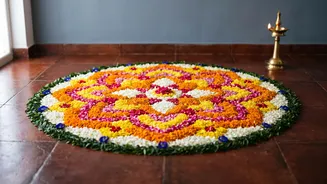
A pookalam doesn't have to be made exclusively of flower petals. Integrating green leaves is a fantastic way to add volume, texture, and a beautiful colour contrast without increasing your budget. Use leaves to create borders or to fill in sections between colourful petals. For an even more creative and budget-conscious approach, you can supplement your design with non-floral elements like coloured rice, turmeric powder, or rangoli powders to create stunning patterns. This mixed-media approach can produce a unique and memorable pookalam.
Shop Smart at Wholesale Markets
Where and when you buy your flowers matters. Prices are known to surge in the days leading up to Thiruvonam due to high demand. If possible, try to purchase your flowers from wholesale markets rather than smaller retail florists, as the prices are often lower. Buying a day or two earlier can also help you avoid the peak price hikes. To keep the petals fresh, store them carefully and separate them from the stalks only when you are ready to begin creating your pookalam.
Consider a Smaller, Intricate Design
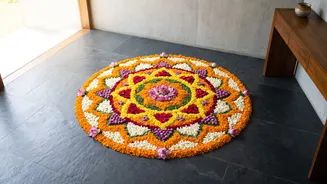
Bigger isn't always better. A compact, detailed pookalam can have just as much visual impact as a large one, especially in smaller homes or apartments. Instead of a massive design that requires kilograms of petals, focus your efforts on a smaller, more intricate pattern. Geometric shapes, mandalas, or a detailed central motif can make your pookalam look complex and full without needing a vast quantity of flowers. This approach saves money and time while still resulting in a beautiful festive decoration.
Embrace Non-Traditional DIY Alternatives
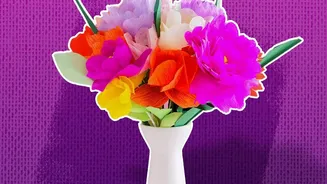
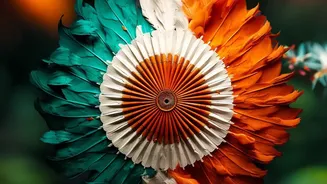
If fresh flower prices are simply too high or if availability is an issue, don't be afraid to think outside the box. Creative DIY pookalams can be made from a variety of materials. Some people have found success creating vibrant, reusable designs using coloured tissue paper on a cardboard base. Others use eco-friendly options like coloured rice or pulses. While it diverges from tradition, the spirit of creativity and celebration remains the same, allowing everyone to participate in this beautiful custom regardless of budget.