








The Anatomy of Financial Panic
Talk of digital money often conjures images of cryptocurrency scams, wild price swings, and technologies so complex they seem deliberately obscure. Headlines frequently focus on the rollercoaster of Bitcoin or the latest billion-dollar crypto collapse.
This creates a narrative of extreme risk and instability, causing many to view the entire digital finance space with suspicion. The fear is understandable; it's driven by stories of people losing their savings and the general unpredictability of a market fueled by hype and speculation. This environment makes it easy to conflate all forms of digital money, assuming every new development carries the same level of risk as the most volatile private assets. However, this perception misses the bigger, more structured changes happening behind the scenes.
India’s Deliberate and Steady Approach
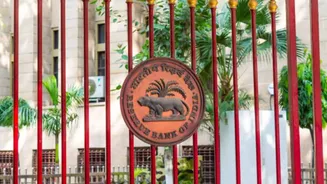
Contrary to the chaos of private crypto markets, India's official foray into digital currency is defined by caution and control. The Reserve Bank of India (RBI) is methodically testing its Central Bank Digital Currency (CBDC), the e-Rupee (e₹), through carefully managed pilot programs. These pilots, which began in late 2022 for both wholesale and retail uses, are being expanded gradually to include more users, banks, and specific applications like Direct Benefit Transfers. As of mid-2026, there is no blanket ban on private cryptocurrencies, but the regulatory stance is one of cautious oversight, with the RBI consistently highlighting concerns about financial stability. The government has opted for a path of regulation and taxation, with stricter tax reporting rules for crypto assets taking effect, rather than an outright prohibition. This measured pace is designed to avoid the very shocks that cause market panic, ensuring any transition is evolutionary, not revolutionary.
The Digital Rupee vs. Private Crypto
A crucial point of clarity is the fundamental difference between a CBDC and a private cryptocurrency. The e-Rupee is a digital form of the sovereign currency, issued and backed by the RBI. Think of it as the digital equivalent of a physical banknote in your wallet; its value is stable and it carries the liability of the central bank. Cryptocurrencies like Bitcoin or Ethereum, on the other hand, are decentralized and notoriously volatile, their value driven by market sentiment and speculation. The RBI's e-Rupee is designed to complement, not replace, physical cash and will work alongside existing systems. A key feature being tested is programmability, which could allow government benefits to be sent for specific purposes, and offline functionality, ensuring payments can be made even without internet access—a huge advantage over many other digital payment forms.
The Real Revolution is Already Here: UPI
While the e-Rupee represents the future, India’s most significant digital payment revolution has already happened with the Unified Payments Interface (UPI). UPI is a payment system that facilitates instant bank-to-bank transfers and accounts for the vast majority of digital transactions in the country. It has seamlessly integrated into daily life, from street vendors to large retailers. The e-Rupee is not designed to compete with UPI but to coexist with it, creating a more robust and layered financial ecosystem. In the future, you might use a UPI app to make a payment, with the option to seamlessly use either funds from your bank account or your e-Rupee wallet. This synergy ensures that the convenience people have grown accustomed to with UPI is enhanced, not disrupted, by the introduction of a CBDC.
How to Approach Digital Assets Calmly
Navigating this evolving landscape requires a mindset shift from panic to prudence. The first step is education: understand the distinction between a stable, government-backed CBDC and a speculative private crypto asset. For those interested in investing in cryptocurrencies, financial experts advise a clear and disciplined strategy. This includes diversifying your investments instead of putting everything into one asset, setting clear goals, and never investing more than you can afford to lose. Avoid making emotional decisions based on social media hype or Fear of Missing Out (FOMO). Instead, focus on the underlying fundamentals and long-term potential of any project. By staying informed and sticking to a plan, you can engage with the world of digital money from a position of strength and understanding, not fear.