




From Necessity to a New Aesthetic
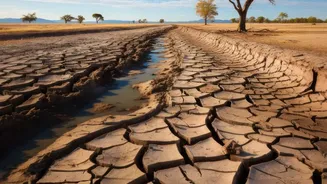
For years, the idea of a low-water garden brought to mind images of sparse rock gardens with a few lonely cacti. Today, that perception is changing dramatically. Driven by increasing climate awareness and a desire for more sustainable living, gardeners
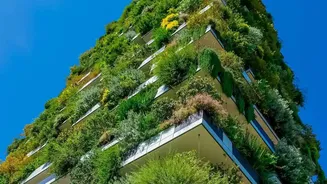
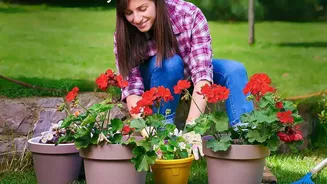
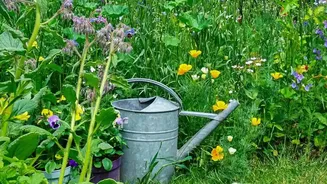
are embracing a new aesthetic that is both water-wise and visually stunning. This isn't just about surviving a drought; it's about designing a garden that collaborates with nature instead of fighting it. The modern low-water landscape is lush, vibrant, and full of texture, proving that responsible gardening doesn't require sacrificing beauty. Designers and homeowners alike are discovering that any garden style, from a flower-filled cottage look to a structured modern space, can be reinterpreted using a palette of drought-tolerant plants.
The Rise of Native and Adapted Plants
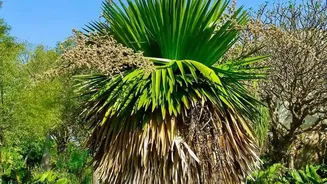
At the heart of this shift is a smarter approach to plant selection. The focus is moving away from thirsty, high-maintenance lawns and exotic species towards plants that are naturally suited to the local environment. Native plants are the heroes of the low-water garden. Having evolved in a specific region, they are already adapted to the local climate, soil, and rainfall patterns. This means they require significantly less water, little to no fertiliser, and are naturally resistant to local pests and diseases. In India, this could mean choosing beautiful, hardy plants like Palash, Jamun, or Indian Laburnum instead of species that struggle in the heat. This choice also has powerful ecological benefits, as native plants provide essential food and habitat for local wildlife, birds, and pollinators, restoring a small piece of the natural ecosystem in your own backyard.
Smarter Design for Maximum Efficiency
Low-water gardening is as much about design as it is about plant choice. The new approach, often called xeriscaping, involves thoughtful planning to maximise every drop of water. A key principle is 'hydrozoning,' which means grouping plants together based on their water needs. This ensures that water-loving plants can be placed in a small, manageable area, while the majority of the garden is reserved for low-water species, making irrigation far more efficient. Another crucial element is improving the soil with organic matter like compost, which helps it retain moisture longer. Using mulch—such as bark chips or gravel—is also a simple but highly effective strategy, as it cools the soil, suppresses weeds, and can reduce water evaporation by a significant margin.
More Than Just Lower Water Bills
While saving money on water is a clear advantage, the benefits of designing for lower water demand extend much further. These gardens are fundamentally lower in maintenance. Less watering, weeding, and mowing means more time to actually enjoy your outdoor space. By avoiding chemical pesticides and fertilisers, which native plants rarely need, you create a healthier environment for your family and local wildlife. These resilient landscapes are also better equipped to handle extreme weather, from heatwaves to unexpected downpours. Furthermore, using permeable materials like gravel or stepping stones instead of solid concrete for paths and patios allows rainwater to soak back into the ground, reducing runoff and helping to replenish groundwater. In essence, this shift creates gardens that are not only cheaper to maintain but are also more resilient, ecologically beneficial, and harmonious with their surroundings.