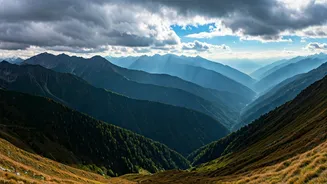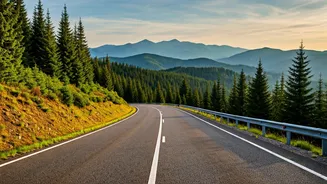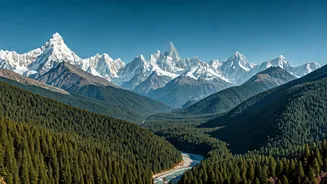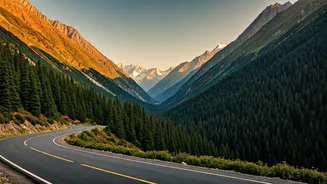





The Great Annual Exodus
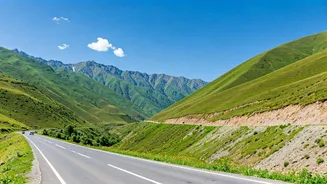
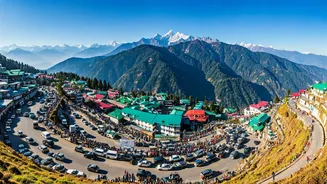
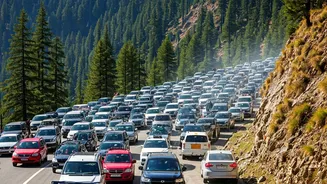
The highways leading north are the first sign. In recent weeks, roads to popular destinations like Shimla, Manali, and Mussoorie have been choked with vehicles, a testament to the massive tourist surge. [6, 17] Hotels in these towns are reporting high occupancy
rates, often between 70-80%, as people flock to the mountains to escape the intense summer heat. [6, 15] This seasonal rush has become an annual phenomenon, with states like Himachal Pradesh witnessing a record influx of visitors. In 2025, the state saw tourist numbers jump by nearly 72% from the previous year. [18] The Atal Tunnel, a key connector in Himachal, now sees daily traffic more than double its intended capacity during peak season, highlighting the sheer volume of people heading for the hills. [18]
More Than Just a Heatwave Escape
While escaping searing temperatures is a primary motivator, the trend is fueled by deeper lifestyle shifts. [5] The pandemic-era necessity of remote work has evolved into the 'Work from Mountains' (WFM) phenomenon, a permanent choice for many. [7, 16] Professionals from cities like Bangalore, Mumbai, and Delhi are swapping cubicles for cafes with Himalayan views, driving a 70% increase in long-stay bookings in some hill towns. [7, 9] This is enabled by rapidly improving digital infrastructure, with a 45% increase in mobile tower installations across Himachal Pradesh and Uttarakhand in recent years. [7] The result is a hybrid lifestyle where productivity meets panoramic views, attracting coders, designers, and entrepreneurs to new hubs like Bir Billing and Tirthan Valley. [9, 10]
A Paradise Under Pressure
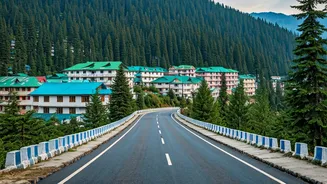
This popularity, however, comes at a significant cost. The very destinations people seek for peace are now groaning under the pressure of overtourism. [8] Chronic traffic jams, where a five-hour drive from Delhi can now take ten, are just one symptom. [20] The influx strains local resources, leading to water scarcity for residents and mountains of unmanaged waste, particularly plastics. [8] Unchecked construction to cater to tourists destabilises fragile slopes, increasing the risk of landslides, especially during heavy rains. [8, 12] Experts warn that many hill stations, originally planned for tiny populations, have long exceeded their carrying capacity, threatening to destroy the destination's value and ecological balance. [5, 13]
The Search for Solitude and Sustainability
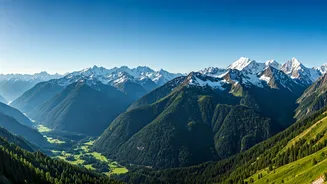
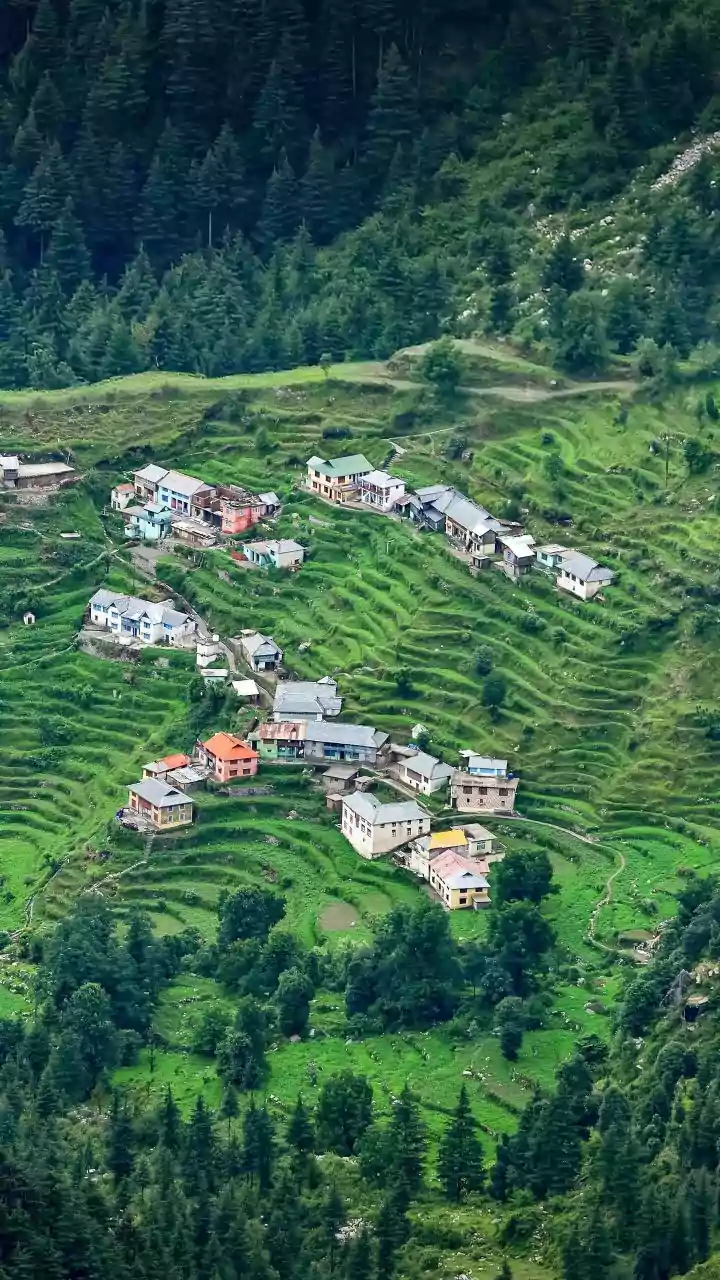
The overcrowding of traditional hotspots is pushing a new wave of travellers to seek out 'off-beat' destinations. [13] Lesser-known villages in Uttarakhand's Kumaon region and remote valleys in Himachal are gaining traction. [13] Simultaneously, a consciousness about sustainable travel is growing. A 2026 report revealed that 74% of Indian travellers believe in making sustainable choices to protect the planet for future generations. [25] This is fueling interest in eco-stays, community-led tourism, and experiences that benefit local economies directly. [22, 27] Travellers are increasingly seeking authentic cultural immersion over mass tourism, looking for ways to leave destinations better than they found them. [23, 25] This shift suggests a growing desire not just to escape, but to connect responsibly.