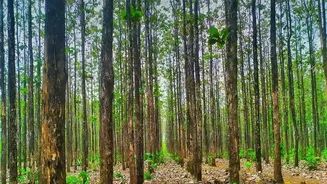

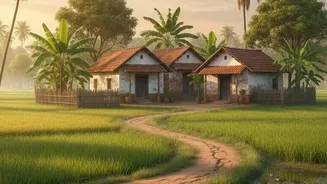
In the heart of Chhattisgarh, a quiet revolution is taking place. Here, amidst the lush forests, the rhythmic slicing and weaving of bamboo is more than just the creation of an object; it is the preservation of a legacy.
The Rhythm of the Forest
For generations, the tribal communities
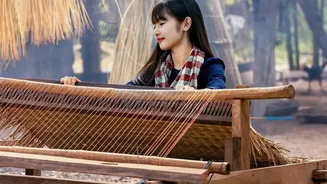
of Chhattisgarh, particularly in regions like Bastar, have lived in harmony with the abundant bamboo forests. This versatile grass is not merely a resource; it is a sacred part of their cultural identity. The craft of bamboo weaving is a skill passed down through families, a rhythmic tradition where artisans, using simple tools like knives and chisels, transform raw bamboo into items of utility and beauty. The process begins with carefully harvesting mature bamboo, treating it for durability, and then skillfully splitting it into fine strips to be woven into intricate patterns. From functional baskets ('daura' and 'daliya') and fishing traps to decorative wall hangings and furniture, each piece tells a story of the community's deep connection to nature.
More Than Just a Craft
In Chhattisgarh, bamboo craft is deeply embedded in the social and spiritual fabric of life. Many of the created objects are used in ceremonies and rituals, from musical instruments that animate festivals to sacred structures. Communities like the Basor, Gond, Baiga, and Muria have developed specialised skills, creating over 200 different articles from bamboo. This is not just an art form but a cornerstone of their livelihood. Historically, finished goods were often bartered for grains, a system that sustained villages for centuries. Today, it remains a vital source of income, especially for women, providing a pathway to financial independence and empowerment.
A Bridge Between Generations
The true magic lies in the act of learning. In villages across the state, formal workshops and informal family gatherings are ensuring these ancient skills are not lost. Government bodies and non-profit organizations have initiated programs to train a new generation of artisans. These initiatives focus not only on preserving traditional techniques but also on introducing contemporary designs to meet modern market demands. Workshops now teach artisans, particularly from Particularly Vulnerable Tribal Groups (PVTGs), to create high-value items like bamboo jewellery and modern home décor. This evolution allows the craft to remain relevant and economically viable.
Weaving a Sustainable Future
Learning bamboo weaving is about more than personal enrichment; it's about building a sustainable future. As a fast-growing, renewable resource, bamboo is an eco-friendly alternative to plastics and wood. By focusing on this green enterprise, Chhattisgarh is fostering local employment and reducing dependency on outside resources. Initiatives like the 'Bamboo Lady of India' Neera Sarma's training workshops are helping artisans bypass middlemen and connect directly with markets, ensuring they receive fair compensation for their intricate work. This focus on skill development is transforming the sector from a traditional practice into a thriving ecosystem that supports both cultural heritage and economic resilience.