

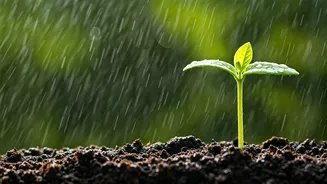


Why Nature Gives You a Head Start
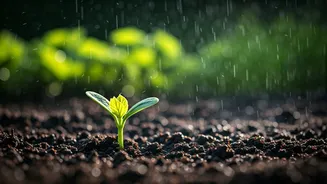
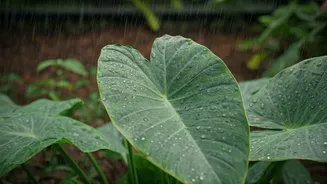
Gardening during the monsoon feels like a cheat code for beginners. The biggest task—watering—is largely taken care of by nature itself. Consistent rain ensures the soil remains moist, which helps seeds germinate and roots establish themselves quickly.
[5, 10] The cooler temperatures reduce stress on young plants, helping them grow more vigorously than they might in the summer heat. [10, 21] Furthermore, the high humidity creates an environment where plants can easily absorb nutrients from the soil, which is often enriched by the accelerated breakdown of organic matter. [9, 21] This natural boost means your plants get a robust start with less manual effort from you. It's a rewarding time to connect with nature and watch life flourish with a little help from the sky. [5]
Choosing Your Monsoon Champions
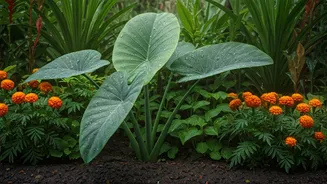
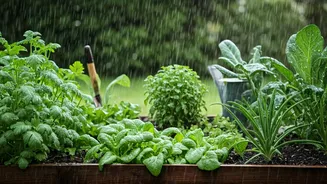
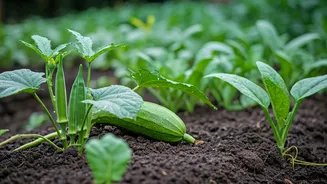
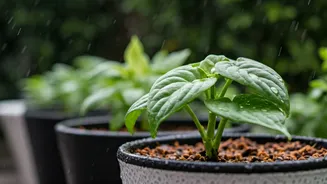
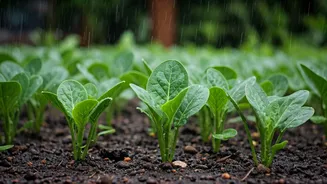
The key to easy gardening is picking plants that love the season. For an Indian monsoon garden, you have plenty of hardy and rewarding options. Vegetables that thrive in these conditions include leafy greens like spinach (palak), beans, okra (bhindi), cucumber, and brinjal. [2, 6] Many of these can be grown in pots on a balcony or windowsill. [3, 7] If you're looking for fragrant flowers, jasmine, hibiscus, and marigold are excellent choices that flourish in the humid weather. [11, 17] For a kitchen herb garden, mint and coriander grow exceptionally well. [3, 5] Many of these plants, like marigolds, even help to naturally repel pests. [17]
Setting Up for Success: Pots and Soil
While the monsoon provides ample water, it's also the source of the biggest potential problem: waterlogging. [12, 14] The most critical step in setting up your garden is ensuring proper drainage. [15] If you're using pots, make sure they have plenty of drainage holes at the bottom. You can even elevate them on bricks or stands to prevent them from sitting in stagnant water. [12, 24] The right soil mix is also crucial. Avoid heavy, compacted soil. Instead, use a well-aerated mix by adding sand, compost, or cocopeat. [23] This allows excess water to drain away, preventing roots from suffocating and protecting them from rot. [12, 14]
Essential Monsoon Care
Even with nature's help, a little care goes a long way. First, learn to resist the urge to overwater. On days it rains, your plants won't need any extra water from you. Always check the soil first; if the top inch is dry, then it's time to water. [11, 23] Second, pruning is your friend. Trim any broken or yellowing leaves to improve air circulation and reduce the risk of fungal infections, which are common in damp conditions. [11, 16] Third, keep an eye out for pests like slugs and aphids that thrive in the humidity. A simple, regular spray of neem oil can help keep them at bay organically. [12, 23] Weeding is also important, as weeds compete with your plants for nutrients and grow quickly during this season. [16]
Common Mistakes to Sidestep
For a truly easy experience, avoid a few common pitfalls. Don't use your summer watering schedule; this is the fastest way to drown your plants. [11, 23] Another mistake is planting seedlings too close together. Good spacing is vital for air circulation to prevent the fungal diseases that love damp, crowded leaves. [23] Don't ignore the health of your soil either; heavy rains can wash away nutrients. Adding some compost or a liquid organic fertiliser can replenish what the rain washes out. [4, 11] Finally, for any climbing plants like beans or gourds, provide support like a trellis or stakes early on. Monsoon winds can be strong, and this support will protect them from damage. [20]