





Choose Your Season Wisely
The Western Ghats offer different experiences depending on the time of year. The most popular window for tourists is from October to March. During these post-monsoon and winter months, the weather is pleasant, the skies are clear, and the landscape remains
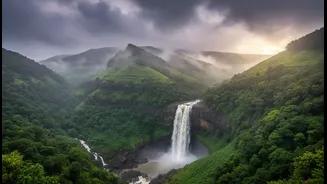
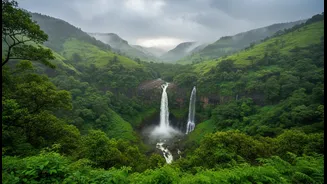
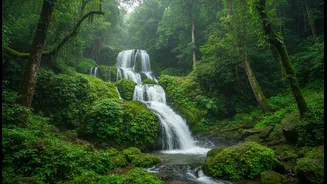
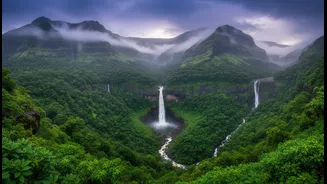
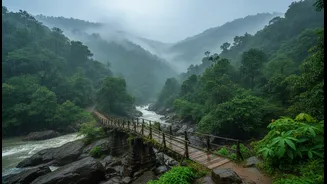
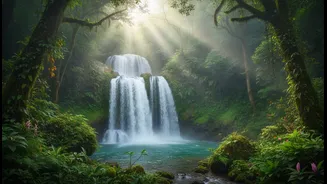
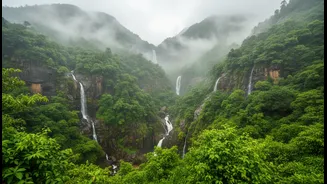
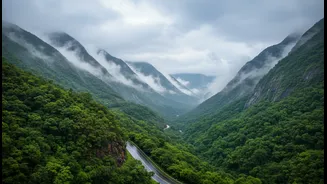
lush from the preceding rains. This period is ideal for activities like trekking, sightseeing, and wildlife safaris in parks like Periyar or Kabini. The summer months of April and May can be hot, but they offer better chances for wildlife sightings as animals gather around water sources. Then there is the monsoon, from June to September. This is when the Ghats are transformed into a dramatic spectacle of roaring waterfalls and intense greenery. It's a magical time for nature lovers, but it comes with challenges like heavy downpours, slippery trails, and the risk of landslides, which can sometimes lead to road closures.
Pick Your Perfect Destination
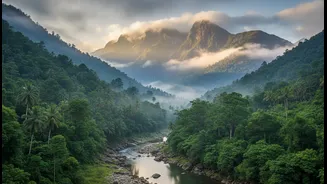
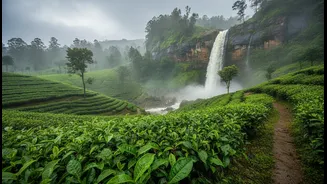
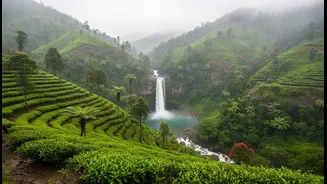
The Western Ghats span multiple states, each offering a unique flavour. In Kerala, Munnar is famed for its rolling tea plantations, while Wayanad offers a wilder, forested experience with eco-retreats and ancient caves. Karnataka is home to Coorg, the 'Scotland of India', known for its coffee estates and misty hills, and Chikmagalur, another coffee heartland perfect for trekking. For those seeking adventure, Dandeli offers white-water rafting. In Tamil Nadu, Ooty and Coonoor in the Nilgiris provide classic hill station charm. Further north in Maharashtra, Mahabaleshwar is a popular getaway known for its viewpoints and strawberries, while Malshej Ghat becomes a waterfall paradise during the monsoon. For a truly immersive rain-soaked experience, Agumbe in Karnataka, which receives some of the highest rainfall in the south, is an unforgettable destination.
Pack for the Elements
Your packing list will be dictated by your chosen season. For a monsoon trip, waterproofs are non-negotiable. A good rain jacket, a waterproof cover for your backpack, and quick-drying clothes are essential. Footwear with a strong grip is crucial for navigating slippery and muddy trails; avoid sneakers or open-toed shoes. Due to the dampness, a reusable plastic bag for wet clothes is a practical addition. Insect repellent is a must-have in all seasons, especially during and after the monsoon. For any trip, packing layers is a smart strategy. While days can be warm, evenings in the hills can get cool. Comfortable walking shoes, sunscreen, a hat, and a basic first-aid kit with antiseptic wipes and bandages are essentials for any itinerary.
Travel Safely and Responsibly
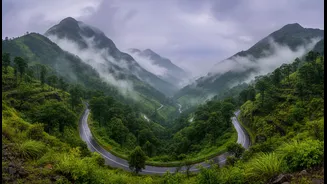
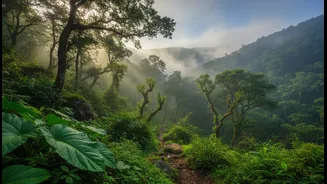
Navigating the Western Ghats, especially by road, is part of the adventure. The winding roads can be narrow and steep, requiring careful driving. During the monsoon, be extra cautious of reduced visibility from fog and the potential for landslides. It's always a good idea to check local conditions before you start your journey. If you plan to trek, go with a guide or a group, particularly on less-travelled trails. Remember that you are a visitor in a fragile ecosystem. The Western Ghats are a biodiversity hotspot, home to thousands of species of plants and animals. Practice responsible tourism by choosing eco-friendly stays, avoiding single-use plastics, and never leaving litter behind. Stick to marked trails to avoid disturbing the local flora and fauna. By travelling with awareness, you help preserve the natural beauty that makes this region so special.