




What Exactly Is Roughage?
Roughage is the part of plant-based foods that your body can’t digest or absorb. Also known as dietary fiber, it’s a type of carbohydrate that, instead of breaking down for energy, passes relatively intact through your digestive system. There are two
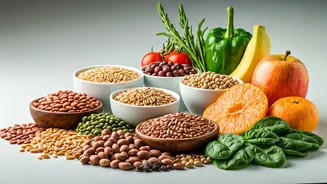
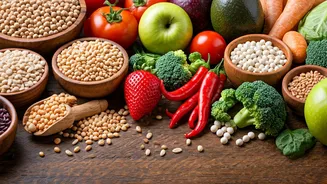
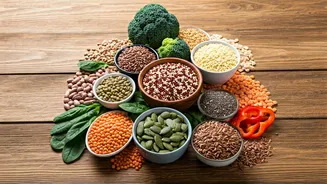
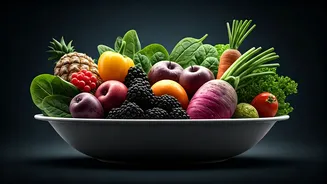
main types, and both are crucial for health. Soluble fiber dissolves in water to form a gel-like substance. You’ll find it in foods like oats, beans, apples, and carrots. Insoluble fiber, as the name suggests, does not dissolve in water. It adds bulk to stool and helps food pass more quickly through the stomach and intestines. Good sources include whole-wheat flour, nuts, beans, and vegetables like cauliflower and green beans.
The Powerful Payoffs of a Fibre-Rich Diet
The benefits of fibre go far beyond just preventing constipation. A high-fibre diet can lead to significant health improvements. Soluble fibre is a champion for heart health, as it can help lower 'bad' LDL cholesterol levels. It also slows down the absorption of sugar, which helps in managing blood sugar levels, a key factor in preventing and controlling diabetes. Because high-fibre foods tend to be more filling, they help you feel satiated for longer, which can aid in weight management without the feeling of deprivation. Furthermore, fibre is essential for a healthy gut microbiome, as it feeds the beneficial bacteria in your digestive system, which can reduce inflammation and lower the risk of various diseases.
Effortless Ways to Add More Fibre
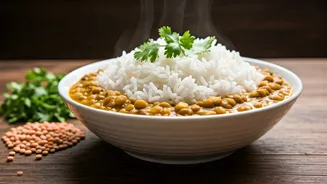
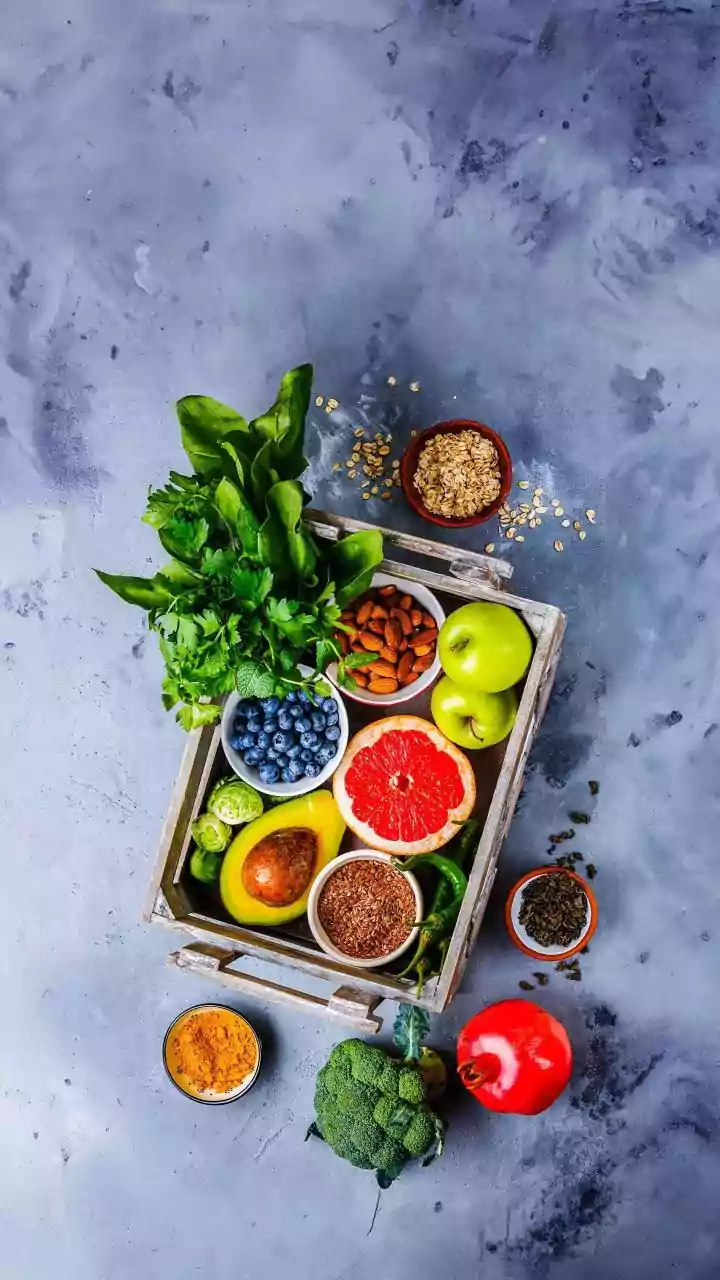
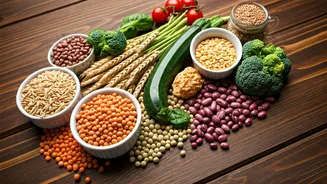
Increasing your fibre intake doesn’t require a complete diet overhaul. The recommended daily amount for most adults is around 25-38 grams, but most people get only about half of that. Simple swaps and additions can make a huge difference. Start your day with a high-fibre breakfast like oatmeal or a whole-wheat paratha with vegetables. Throughout the day, choose whole grains over refined ones — think brown rice instead of white, and whole-wheat roti instead of naan. Add a handful of lentils (dal), beans (rajma, chana), or chickpeas to soups, salads, and curries. Snacking on fruits with the skin on, like apples and guavas, or a small handful of almonds also boosts your intake.
Fibre-Forward Foods in the Indian Kitchen
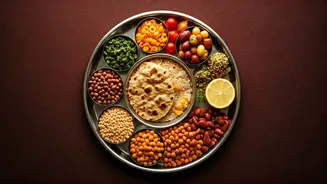
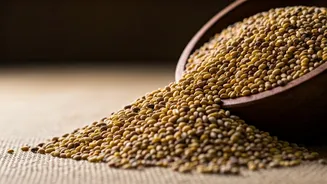
The traditional Indian diet is naturally rich in fibre-friendly ingredients. Millets like jowar, bajra, and ragi are excellent whole grains to incorporate into your meals. Legumes are the backbone of many regional cuisines, from chana masala and rajma curry in the north to sambar made with toor dal in the south. Vegetables like okra (bhindi), spinach (palak), and bottle gourd (lauki) are packed with fibre. Even common snacks can be fibre powerhouses; a bowl of sprouts, roasted makhana, or dhokla can contribute to your daily goals. By leaning into these traditional foods, you can easily meet your fibre needs.
A Slow and Steady Approach
While boosting your fibre intake is beneficial, it’s best to do it gradually. A sudden, drastic increase can lead to temporary digestive discomfort like gas and bloating as your system adjusts. Try adding one new high-fibre food every few days. It’s also crucial to drink plenty of water. Fibre works best when it absorbs water, which helps soften your stool and allows it to pass smoothly through your digestive tract. Spreading your fibre intake throughout the day, rather than concentrating it in one meal, can also help prevent any unwanted side effects.