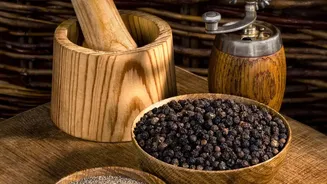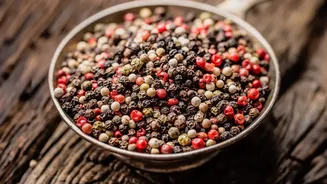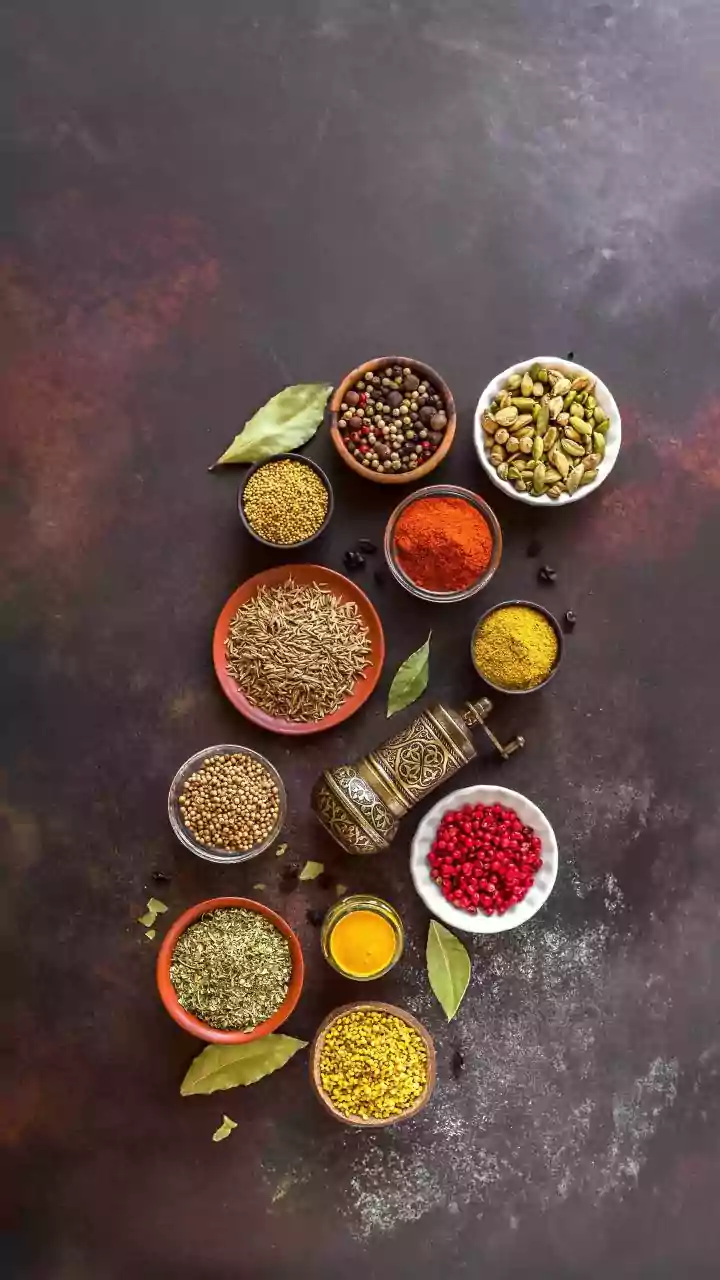
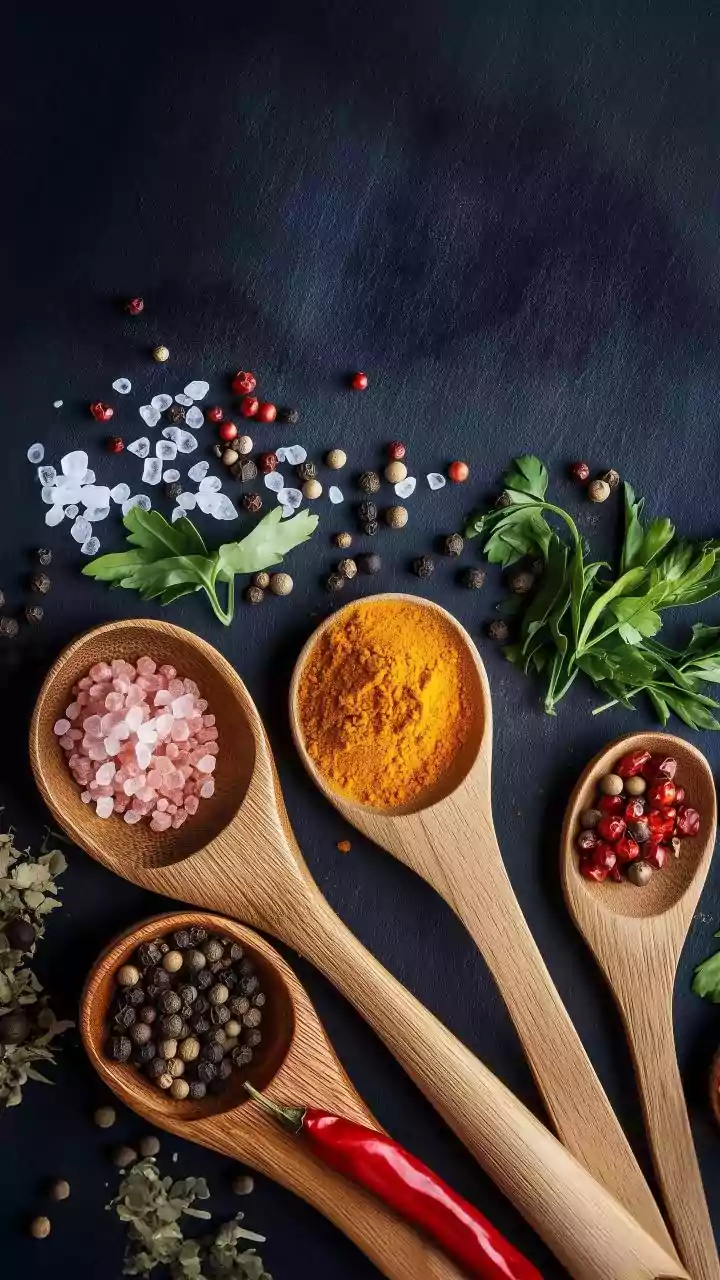



Spices are the soul of Indian cooking, but the ‘king of spices’, black pepper, is facing purity questions. This concern opens up a wider, unsettling conversation about the staples in our masala dabbas and the potential for adulteration.
The Problem With Pepper
Black pepper's
high value makes it a prime target for adulteration. The most common counterfeit is dried papaya seeds, which look strikingly similar to peppercorns at a glance but are much cheaper. These seeds are mixed in to increase the weight and volume, defrauding customers who pay a premium for pure pepper. While papaya seeds themselves aren't considered highly toxic in small amounts, their presence means you are not getting the quality, flavour, or health benefits you paid for. Other adulterants found in ground pepper can include fillers like bran or sawdust, which are much harder to detect once the spice is powdered.
A Pantry-Wide Concern
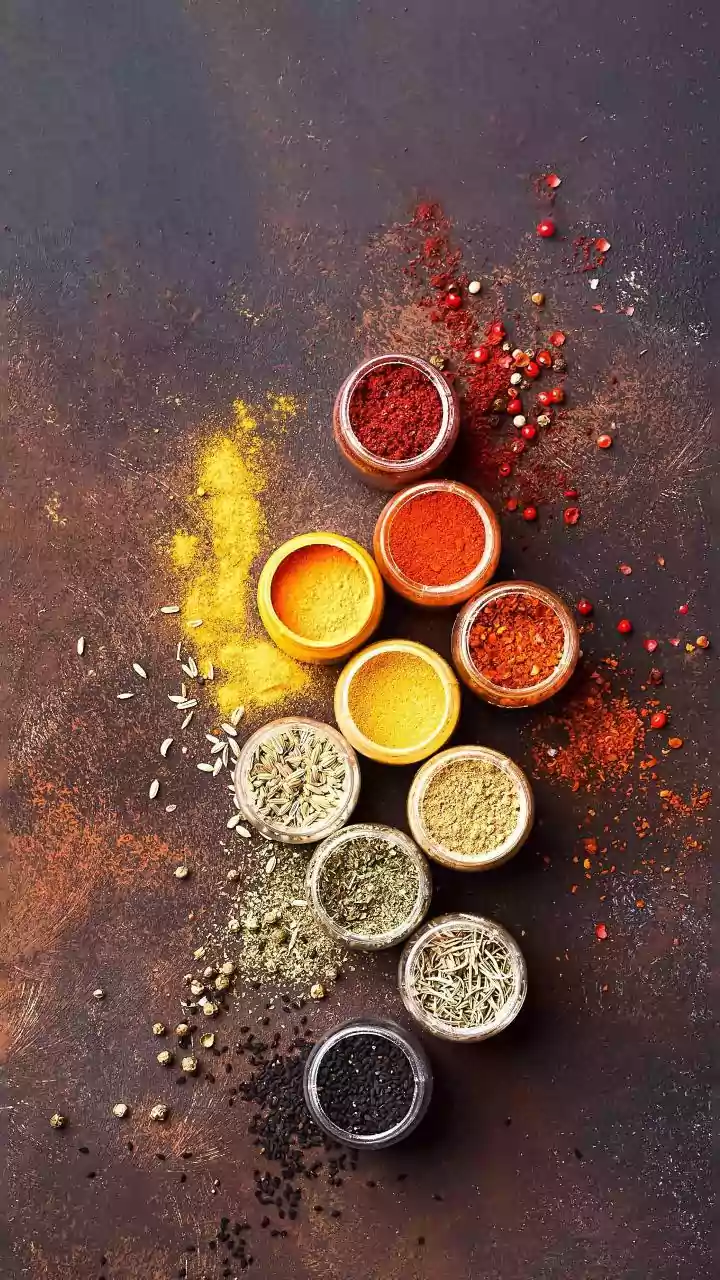
The issue extends far beyond just black pepper. Adulteration is a widespread problem affecting many everyday spices in Indian kitchens, driven by economic gain. Ground spices are especially vulnerable because their powdered form makes it easy to hide cheap fillers and harmful additives. Turmeric powder is frequently contaminated with metanil yellow, a synthetic dye, or lead chromate, a toxic heavy metal, to enhance its colour. Similarly, chilli powder has been found mixed with brick powder, sawdust, and dangerous carcinogenic dyes like Sudan Red to add bulk and a vibrant red hue. Even coriander powder isn't safe, with common adulterants including sawdust and paddy husk.
The Hidden Health Costs
Consuming these impure spices poses significant health risks. While some adulterants like starch or sawdust might only cause mild digestive issues, others are far more dangerous. Artificial colours like metanil yellow and dyes like Sudan Red are known carcinogens, meaning they can cause cancer. The lead chromate found in turmeric is a neurotoxin that can lead to lead poisoning, anaemia, and other severe health complications. Long-term exposure to these toxic substances can result in serious conditions, including organ damage, skin disorders, and stomach ulcers.
How to Check for Purity at Home
You don't need a professional lab to run basic checks on your spices. The Food Safety and Standards Authority of India (FSSAI) recommends several simple tests you can perform in your kitchen. For whole black pepper, use the float test: Drop a spoonful of peppercorns into a glass of water. Pure, dense peppercorns will sink, while lighter papaya seeds and hollow, poor-quality berries tend to float. For chilli powder, sprinkle some onto a glass of water without stirring. Pure chilli powder settles slowly, but artificial colours will immediately bleed bright red streaks into the water. For turmeric, add a teaspoon to a glass of water. Pure turmeric will settle at the bottom, leaving the water with a light yellow tint. Added dyes will create strong, bright yellow streaks as they dissolve.
Becoming a Smarter Consumer
The first line of defence against adulteration is smart purchasing. Whenever possible, buy whole spices instead of pre-ground powders and grind them at home. Adulterants are much easier to spot in their whole form. When buying packaged spices, always check for the FSSAI license number on the label. Reputable brands with certifications like AGMARK offer an additional layer of assurance. Be wary of spices that look unnaturally bright or shiny, as this can be a sign of added colours or polishing agents like mineral oil. Finally, avoid buying loose spices, as FSSAI has banned their sale due to the high risk of contamination.