




Why Monsoon Air Is Food’s Enemy
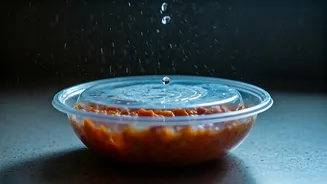
The magic of the monsoon—the cool air, the petrichor—comes with a side effect: high humidity. This moisture-laden air is the perfect breeding ground for bacteria, mould, and fungi. While your pantry staples like biscuits might go soft, the effect on cooked
food is far more sinister. At room temperature, food that would normally last a few hours can spoil much faster. The increased moisture in the atmosphere accelerates the growth of microorganisms that cause foodborne illnesses like diarrhoea, vomiting, and food poisoning. This isn't just about food going visibly bad; it’s about the invisible microbial party happening on your plate long before you notice a strange smell.
The Risky Business of Leftovers
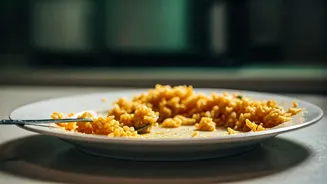
We are a nation that prides itself on not wasting food. Leftover dal becomes parathas, and last night’s sabzi is today’s lunch. While this is a wonderful, sustainable habit, the monsoon demands we update our rules. Leaving leftover curry on the kitchen counter to cool for hours is a high-risk gamble. Cross-contamination is another villain; using the same spoon to serve fresh food after digging into a day-old container can transfer bacteria. Even the fridge isn't a magical preservation box. Opening it frequently in a humid environment can introduce moisture and raise the internal temperature, giving germs a window of opportunity to thrive on your stored food.
The ‘Smell Test’ Is a Myth
Many of us rely on the age-old 'smell test' to determine if food is still good to eat. If it looks fine and smells fine, it must be fine, right? Unfortunately, this is one of the most dangerous myths in food safety. The bacteria that cause spoilage—the ones that make food smell sour or look slimy—are often different from the pathogenic bacteria that cause illness, such as Salmonella, E. coli, and Listeria. These dangerous pathogens can multiply to harmful levels without changing the taste, smell, or appearance of the food at all. Relying on your senses alone is like navigating a minefield blindfolded. During the monsoon, it's a risk not worth taking.
Mastering the Art of Smart Storage
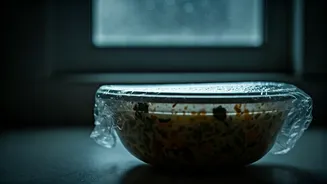
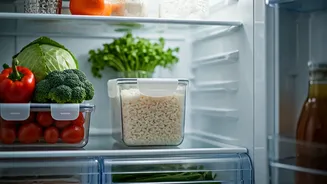
The golden rule for monsoon leftovers is: cool it, cover it, and chill it—fast. Don’t leave cooked food sitting out for more than an hour. To cool hot dishes like dal or curries quickly, you can place the container in a basin of cold water before refrigerating. Always use airtight containers. This not only prevents cross-contamination and the absorption of other odours in the fridge but also keeps excess atmospheric moisture out. Store leftovers in the colder parts of your fridge, like the back of the top shelf, not in the door where the temperature fluctuates the most. Labeling containers with the date can also help you track what needs to be eaten first, reducing guesswork and waste.
Reheat to Kill, Not Just to Warm
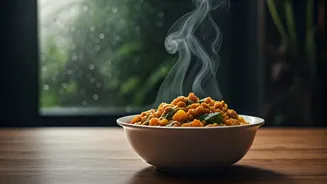
Simply warming up leftovers isn't enough to make them safe. Microwaving a curry until it's lukewarm might make it palatable, but it won't kill the bacteria that may have multiplied during storage. The goal is to reheat food until it is steaming hot throughout, reaching an internal temperature of at least 74°C (165°F). For liquids like soups and curries, bring them to a rolling boil on the stovetop. For solid foods in a microwave, stir them halfway through to ensure even heating and eliminate cold spots where bacteria can survive. And remember the final rule: never reheat leftovers more than once. Each time you cool and reheat food, you provide another opportunity for bacterial growth.