

Beyond the Humble Peanut
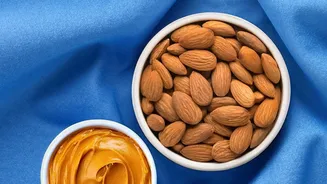
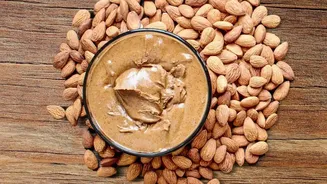
While peanut butter has seen a surge in popularity across India as a health food, the new wave of gourmet spreads is moving far beyond a single nut. Artisanal producers are exploring the creamy potential of almonds, cashews, and even pistachios, creating
butters with diverse flavour profiles and textures. Brands like The Butternut Co. and Native Tongue are offering a wider range of single-nut and mixed-nut butters that appeal to a more adventurous consumer. This shift caters to a growing curiosity and a desire for variety, introducing palettes to the subtle sweetness of cashew butter or the rich depth of almond butter, often using high-quality local nuts like Kathiawadi peanuts and Gurbandi almonds.
A Symphony of Indian Spices
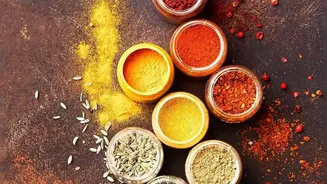
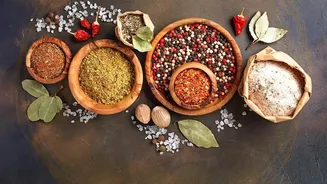
The real innovation lies in the infusion of distinctly Indian spices. Forget simple salted peanut butter; the new guard of nut butters is unapologetically flavourful. Imagine a blend of peanuts and almonds infused with the aromatic spices of masala chai—cardamom, cloves, ginger, and cinnamon. Brands are crafting savoury options like Peanut Butter with Byadangi Chilli and Golden Almond Butter with Lakadong Turmeric. Even traditional festive flavours are being churned into spreads, with Thandai nut butter, featuring a mix of nuts, seeds, and spices, becoming a customer favourite for some brands during Holi. These combinations move nut butter from a simple breakfast spread to a complex ingredient that reflects the Indian palate. Savoury blends with peri-peri or garam masala are also emerging, designed to be used as dips, marinades, or even to enrich gravies.
The Magic of Seeds and Texture
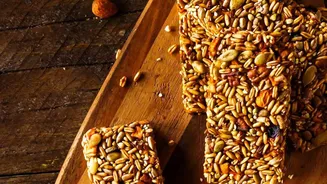
Texture is just as important as taste in this new gourmet world. The addition of whole or ground seeds is transforming the mouthfeel of these butters. Pumpkin seeds, sunflower seeds, and chia seeds are being blended in, not just for their nutritional benefits but for the satisfying crunch and complexity they provide. Some creations, like a Thandai nut butter, might feature a mix of cashews, pistachios, almonds, and pumpkin seeds for a multi-layered experience. This focus on texture elevates the butter from a simple spread to a more dynamic condiment. These additions also pack a nutritional punch, adding healthy fats, fibre, and minerals like magnesium and zinc.
From Toast to Tikkis
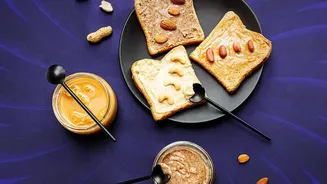
This evolution in flavour means the use of nut butters is also expanding. While still perfect on a slice of toast, these gourmet spreads are finding their way into every part of the meal. A peri-peri cashew butter can be used as a dip for chips, a marinade for chicken, or a dressing for a spicy salad. A savoury, cumin-and-garlic-spiced pumpkin seed butter can be a sandwich spread or a thickener for vegetarian stews. The idea of using ground nuts to thicken gravies and stuff vegetables is already well-established in Indian cuisine, from Bagara Baingan to various other curries. These new butters offer a convenient, modern shortcut to achieving that same richness and depth of flavour in everyday cooking, bridging the gap between a Western-style spread and a traditional Indian cooking ingredient.
The Artisanal Movement
This trend is largely driven by a growing number of local, small-batch producers who prioritise quality ingredients and innovative recipes. Brands like Nutty Yogi and Banter Kitchen are experimenting with unique pairings such as gulkand butter, coffee espresso butter, and healthy takes on chocolate-hazelnut spreads. This movement mirrors a broader shift in the food landscape towards 'comfort luxury', where familiar items are reimagined with gourmet flair. While classic peanut butter still dominates sales, the niche for these unique, flavoured butters is growing among consumers with discretionary tastes who are eager to explore new culinary horizons. These producers are not just selling a product; they are offering a new way to experience a familiar food, one spoonful at a time.