


The All-Too-Common Dhania Dilemma
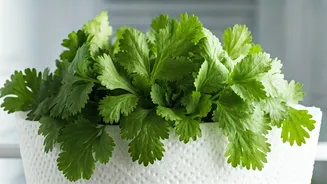
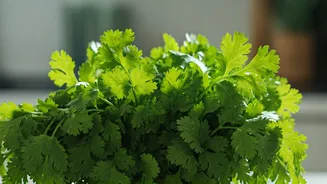
Coriander, or as it's lovingly known in most Indian households, dhania, is the lifeblood of our cuisine. It’s the fresh, fragrant garnish on dal, the essential ingredient in chutneys, and the vibrant flourish on sabzis. Yet, it possesses a frustratingly
short lifespan. You buy a beautiful, perky bunch from the market, and within a day or two, it transforms into a sad, yellowing, and limp shadow of its former self, often destined for the bin. This not only leads to food waste but also means extra trips to the grocer or compromising on the flavour of your favourite dishes. The culprit is moisture loss and improper storage, causing the delicate leaves and stems to wilt and decay at an accelerated pace.
The Glass Jar Hack: Your Step-by-Step Guide
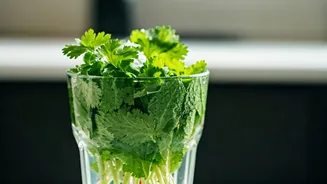
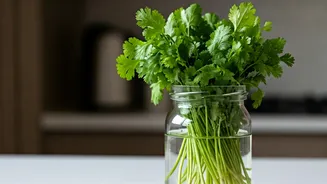
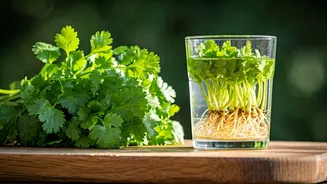
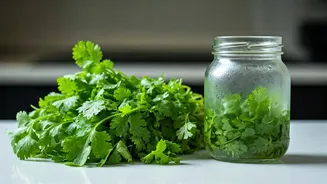
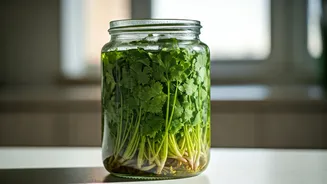
Forget wrapping your herbs in paper or stuffing them into plastic bags that just trap moisture and promote rot. This game-changing method treats your coriander like a bouquet of fresh flowers, keeping it hydrated and happy. Here’s how you do it: 1. **Prep Your Dhania:** As soon as you get your coriander home, remove the rubber band or string holding it together. Snip off the bottom 1-2 centimetres of the stems with a sharp knife or scissors. This creates a fresh surface that can easily absorb water. 2. **Find a Suitable Jar:** You'll need a clean glass jar or a sturdy plastic container that is tall enough to support the bunch without bending the stems. A wide-mouthed jar works best. 3. **Add Water:** Fill the jar with about an inch or two of fresh, cool water—just enough to submerge the trimmed ends of the stems. You don’t want the leaves to be in the water, as this will cause them to rot. 4. **Place and Cover:** Put the coriander bunch into the jar, just like you would arrange flowers in a vase. Then, take a clean, loose-fitting plastic bag and gently place it over the leaves. This creates a mini-greenhouse effect, keeping the leaves humid but not wet. Don't seal the bag tightly; you want some air to circulate.
Why This Method Works So Well
There's simple science behind the success of this hack. Coriander wilts primarily because it loses water through its leaves via a process called transpiration. By placing the stems in water, you provide the plant with a continuous source of hydration, allowing it to replenish the moisture it loses. The stems act like straws, drawing water up to keep the leaves plump and crisp. The plastic bag cover plays an equally crucial role. It creates a humid micro-environment around the leaves, which slows down the rate of transpiration. This prevents the leaves from drying out in the cold, dry air of your refrigerator. It’s the perfect balance of hydration from below and humidity from above.
Tips for Maximum Freshness
While the jar hack is incredibly effective, you can extend the life of your dhania even further with a few extra steps. With proper care, your coriander can stay fresh for up to two or even three weeks. * **Change the Water:** Just like with flowers, the water in the jar can become cloudy. For best results, change the water every two to three days to keep it fresh and prevent bacterial growth. * **Start with the Best:** This method works best on fresh, vibrant coriander. When buying, look for bunches with bright green leaves and firm stems. Avoid any that are already yellowing or wilting. * **Don't Wash Until You Use:** Resist the urge to wash the entire bunch before storing. Excess moisture on the leaves can lead to mould and decay. Only wash the amount you need right before you use it. * **Pick and Prune:** Remove any yellow or decaying leaves as soon as you spot them. This prevents the decay from spreading to the rest of the bunch.
How It Compares to Other Methods
Many of us have tried other storage tricks, with varying degrees of success. Wrapping dhania in a damp paper towel and placing it in a zip-lock bag is a popular alternative. While this method can work for a few days, the paper often dries out or becomes too soggy, requiring constant monitoring. Specialised 'herb keepers' available on the market essentially use the same principle as the glass jar hack but come at a higher cost. The beauty of the jar method is its simplicity and effectiveness using items you already have in your kitchen. It provides more consistent hydration and better protection than most other DIY methods, making it a clear winner for long-term freshness.