





The Urban Health Paradox: The Facts on the Ground
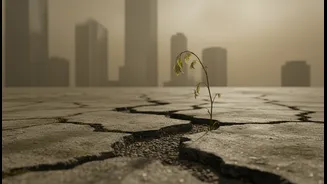
Life in urban India presents a stark paradox. While cities offer better access to healthcare facilities than rural areas, the urban environment itself breeds a unique set of health risks. Chief among them is air pollution. Many Indian cities consistently
rank among the most polluted in the world, with residents breathing air laden with PM2.5 particles that penetrate deep into the lungs and bloodstream. This isn't just a matter of a winter smog; it's a year-round public health emergency linked to a rise in respiratory illnesses like asthma, cardiovascular diseases, and even lung cancer in non-smokers. Alongside the air we breathe, the food we eat has also transformed. The urban diet is increasingly shifting away from traditional, home-cooked meals towards ultra-processed foods. These products, high in salt, sugar, and unhealthy fats, are cheap, convenient, and aggressively marketed, making them a popular choice in fast-paced city life. This dietary shift, combined with increasingly sedentary lifestyles dictated by desk jobs and long commutes, has laid the groundwork for a sweeping health crisis.
Practical Impact: A Rising Tide of Lifestyle Diseases
The consequences of these urban pressures are no longer abstract statistics; they are visible in clinics and homes across the country. India is grappling with an epidemic of non-communicable diseases (NCDs), which now account for over 60% of all deaths. Conditions once considered 'diseases of affluence', such as type 2 diabetes, hypertension, and heart disease, are now rampant across all socioeconomic strata in cities. Studies show a high prevalence of these conditions, with many individuals unaware they are even at risk until a serious health event occurs. The impact isn't just physical. The relentless pace, intense competition, and social fragmentation of city life are taking a heavy toll on mental well-being. Rates of mental health disorders are significantly higher in urban areas compared to rural ones. Loneliness, stress, and anxiety are becoming common features of the urban experience, with some studies indicating that over 40% of urban Indians experience loneliness. This silent crisis affects everyone from young professionals facing academic and workplace pressure to the elderly living in nuclear family setups.
The Path Forward: Remaining Questions and Solutions
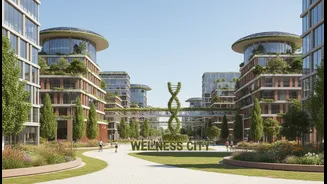
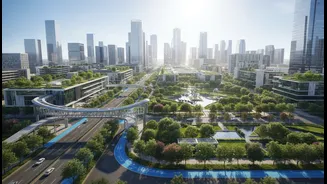
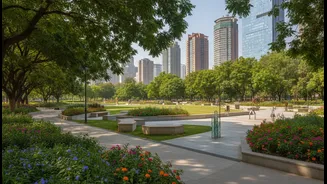
Addressing this multi-faceted crisis requires more than just individual willpower. One of the most critical remaining questions is how to reshape our cities to promote health. Urban planning is increasingly seen as a public health tool. The development and protection of green spaces, for example, is non-negotiable. Parks, green corridors, and even vertical gardens help filter pollutants, reduce urban heat, and provide crucial spaces for physical activity and mental relaxation. Studies show that even a small increase in green cover can significantly reduce premature deaths. Furthermore, how can we make the healthy choice the easy choice? This involves policy-level interventions, such as stricter regulations on the food industry to curb the marketing of unhealthy products and clear front-of-pack labelling to inform consumers. It also means investing in public infrastructure that encourages activity, like safe walking and cycling paths. For individuals, the challenge is to carve out healthy habits in a difficult environment. This can mean prioritising whole foods, finding communities for exercise, and actively seeking social connection to combat isolation. The future health of urban India hinges on the collective will to answer these questions with decisive action.