







Eliminate Mosquito Breeding Grounds
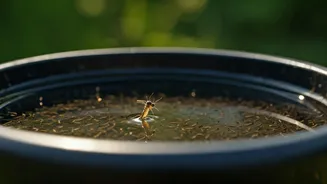
The most immediate threat posed by damp surroundings is the proliferation of vector-borne diseases. Stagnant water, even in small amounts, is a perfect breeding ground for Aedes aegypti mosquitoes, the carriers of dengue, chikungunya, and Zika virus.
Similarly, Anopheles mosquitoes, which transmit malaria, breed in cleaner stagnant water. The core of monsoon safety is a vigilant 'drain, dry, and discard' policy. Regularly inspect your home and its vicinity for any place water can collect. This includes flowerpot saucers, discarded tyres, air cooler trays, clogged gutters, and even plastic containers or toys left in the garden. Empty and scrub them at least once a week. For areas where water collection is unavoidable, such as ornamental ponds, consider introducing larvivorous fish or using approved larvicides. A dry environment is a hostile environment for mosquitoes.
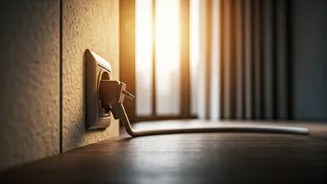
Prevent Electrical Shocks and Short Circuits
Water and electricity are a lethal combination. During the monsoon, moisture can seep into walls, electrical sockets, and wiring, creating a high risk of short circuits, appliance damage, and fatal electric shocks. Before the rains set in, it's crucial to have a qualified electrician inspect your home’s wiring. Check for any frayed or exposed wires and have them repaired immediately. Ensure that all outdoor electrical fittings, like gate lamps or balcony lights, are waterproof. Inside the home, never touch switches or electrical appliances with wet hands or while standing on a wet floor. If you notice dampness on a wall with electrical wiring, switch off the main power supply and call an electrician. Using a high-quality Earth Leakage Circuit Breaker (ELCB) or Residual Current Circuit Breaker (RCCB) can provide an additional layer of life-saving protection by automatically cutting off the power supply in case of a leakage.
Secure Your Home's Structural Integrity
Persistent dampness does more than just feel unpleasant; it can compromise the structural integrity of your home. Water seepage through cracks in the roof, walls, or foundation can weaken the building materials over time. This can lead to peeling paint, plaster falling off, and in severe cases, more significant structural damage. Conduct a pre-monsoon check of your roof and terraces. Clear any debris from drains and gutters to prevent water from pooling and seeping downwards. Seal any visible cracks in the walls or ceilings using waterproof sealant. Pay special attention to balconies and window sills, ensuring they have proper drainage slopes to direct water away from the building. Taking these preventive measures not only protects your home from long-term damage but also prevents accidents caused by falling plaster or weakened structures.
Improve Indoor Air Quality and Prevent Fungal Growth
High humidity and dampness create the ideal conditions for mould and mildew to thrive. These fungi release spores into the air that can trigger allergic reactions, asthma attacks, and other respiratory problems, especially in children and the elderly. You'll often find them growing on damp walls, in cupboards, on leather goods, and even on clothes. To combat this, ensure good ventilation throughout your home. Open windows and doors whenever it is not raining to allow air to circulate. Use exhaust fans in kitchens and bathrooms to expel moist air. A dehumidifier can be an excellent investment for particularly damp rooms. Placing camphor balls, neem leaves, or silica gel pouches in wardrobes can also help absorb excess moisture and prevent fungal growth on your belongings, keeping your indoor air healthier.
Avoid Slips, Falls, and Waterlogging Woes
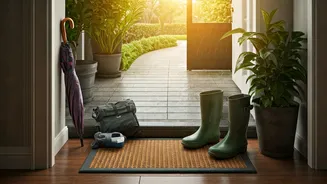
The risk of slips and falls increases dramatically during the monsoon. Moss and algae can make outdoor pathways, stairs, and driveways extremely slippery. Regularly scrub these surfaces with a hard brush and a cleaning solution to remove the slippery growth. Inside, keep floors dry at all times, placing absorbent doormats at every entrance to your home. Beyond your doorstep, be aware of your surroundings. Poor drainage in many areas leads to waterlogging, which conceals potholes, open manholes, and other hazards. Avoid wading through stagnant water not only to prevent infections like leptospirosis but also to avoid physical injury. Keeping your immediate perimeter well-drained and clear of slippery moss is a simple but effective way to ensure everyone’s physical safety.