



Understanding Your Home's Light
Before you can group your plants, you first need to become an expert on the light in your own home. Light is the single most important factor for a plant's health, fueling the photosynthesis it needs to grow. Generally, indoor light falls into a few key
categories: direct, bright indirect, and low light. A simple way to assess your light is to observe the windows. In the Northern Hemisphere, south-facing windows offer the most intense, direct sunlight. West-facing windows get strong afternoon sun, east-facing windows provide gentler morning light, and north-facing windows have the lowest light with no direct sun. For a quick test, hold your hand up in the spot you want to place a plant. If it casts a sharp, clear shadow, that’s direct light. A softer, fuzzier shadow indicates bright indirect light. If there's barely a shadow at all, you're in a low-light zone.
Sun Worshippers: The High-Light Group
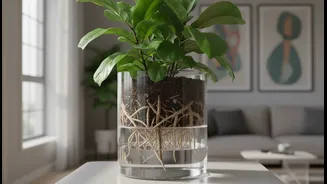
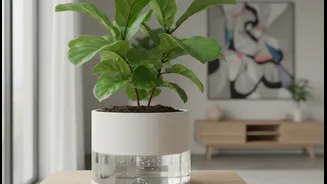
Some plants crave the sun and will thrive in spots that receive several hours of direct rays each day. These are your sun-lovers, perfectly suited for an unobstructed south-facing or west-facing window. This group often includes desert natives and tropical bloomers. Examples include most cacti and succulents, which store water to withstand the heat that comes with intense sun. Other high-light heroes are the dramatic Bird of Paradise (Strelitzia nicolai), the popular Fiddle-Leaf Fig (Ficus lyrata), and colourful Crotons. When you group these plants together, you create a sun-drenched corner that simplifies your care routine. You’ll know that every plant in that specific zone has similar, high-light needs. Just remember that more light often means more water, as these plants will dry out faster than their shade-dwelling counterparts.
The Best of Both Worlds: Bright, Indirect Light
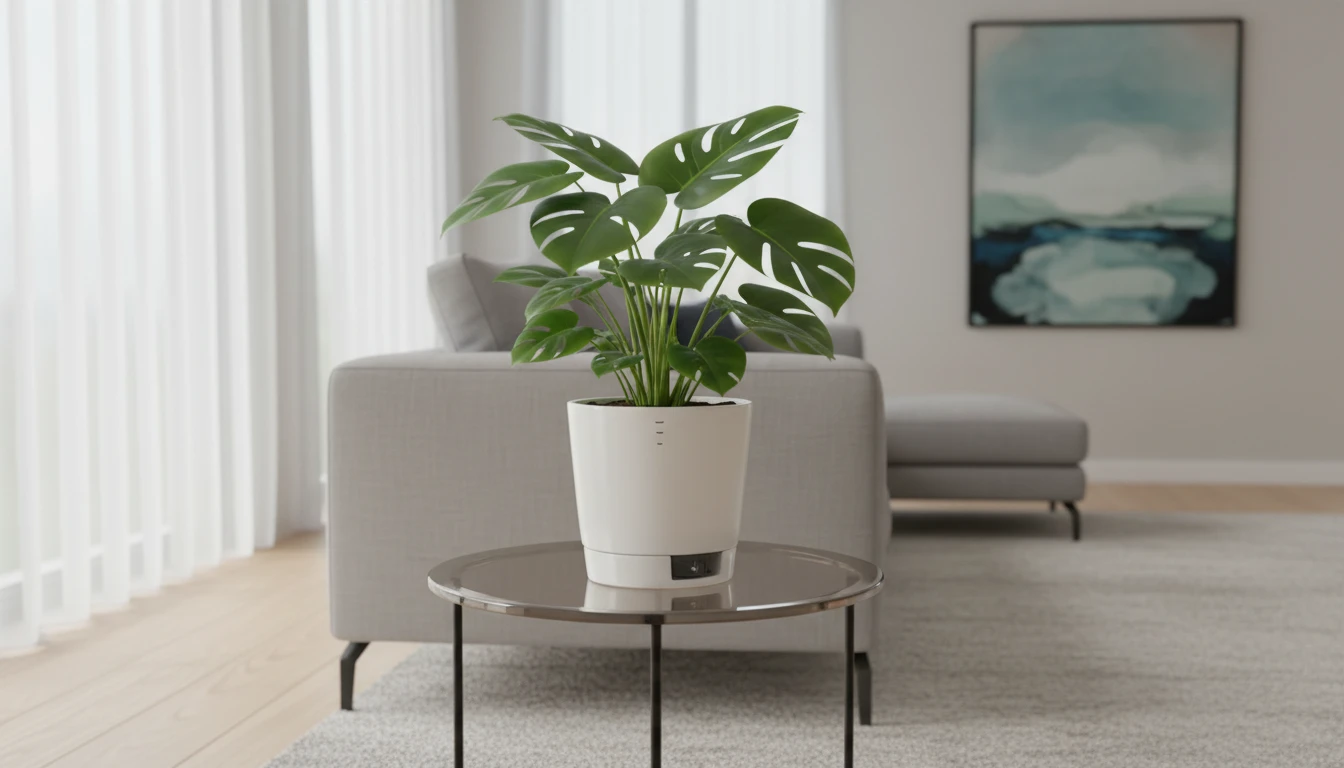
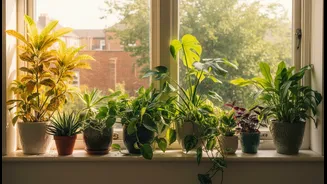
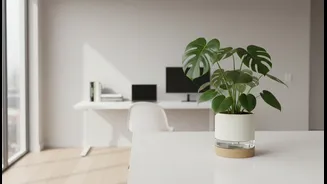
The vast majority of popular houseplants fall into the bright, indirect light category. These plants are native to environments like rainforest floors, where they receive dappled light beneath a canopy of larger trees. They want to see the sky but don't want the sun's rays directly on their leaves, which can cause scorching. Ideal spots are a few feet back from a sunny window, near an east-facing window, or behind a sheer curtain. This group includes foliage superstars like Monstera deliciosa, most Philodendrons, Rubber Plants (Ficus elastica), and many ferns and Calatheas. Grouping these plants together creates a lush, jungle-like feel. It also makes watering more intuitive, as they will all have similar moisture requirements. Placing them near each other can also help them create their own humid microclimate.
Thriving in the Shade: Low-Light Tolerators
Even the darkest corners of your home can host greenery, thanks to a category of incredibly resilient plants. It’s important to know that these are “low-light tolerant,” not “low-light loving”; while they can survive with less light, they may grow more slowly. These plants are perfect for spots far from a window or in a room with north-facing exposure. The nearly indestructible trio in this category includes the ZZ Plant (Zamioculcas zamiifolia), the Snake Plant (Dracaena trifasciata, formerly Sansevieria), and the Pothos (Epipremnum aureum). Other great options are the Peace Lily and the Cast Iron Plant. Grouping these plants simplifies care immensely because they generally require less frequent watering. Overwatering is a common issue in low-light conditions because the soil stays damp for longer, so clustering them serves as a visual reminder to check the soil before reaching for the watering can.
The Added Benefits of Grouping Plants
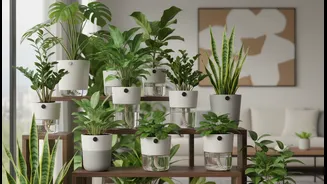
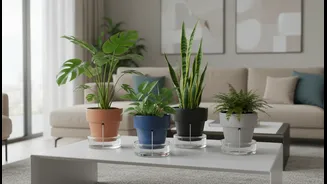
Beyond making light management simple, grouping plants offers several other advantages. The most significant is increased humidity. Plants release moisture from their leaves through a process called transpiration. When clustered together, they create a pocket of humid air around themselves, mimicking their native tropical environments. This is especially beneficial for humidity-loving plants like ferns and Calatheas. It also simplifies watering. When all your thirsty tropicals are in one place and your drought-tolerant succulents are in another, it’s much easier to provide the right amount of water at the right time. Finally, creating plant clusters is aesthetically pleasing, allowing you to play with different heights, textures, and colours to design a vibrant, living display in your home. A small word of caution: pests can spread more easily between plants that are close together, so be sure to inspect your greenery regularly.