




The End of the Metro Monopoly
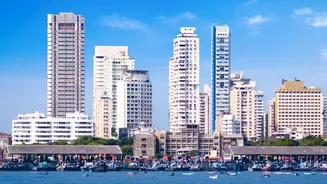
For years, brands and businesses viewed India's Tier 1 metros—Delhi, Mumbai, Bengaluru, Chennai—as the primary battlegrounds for consumer attention. This is where the concentration of wealth, media, and modern retail was highest. That picture is now changing
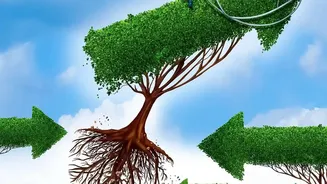
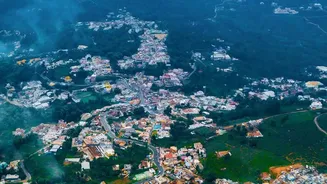
rapidly. While metros remain crucial economic anchors, the strongest signs of future growth are emerging from cities like Jaipur, Indore, Surat, and Coimbatore. These non-metro hubs are no longer just talent pipelines for the big cities; they are becoming powerful consumer markets in their own right, creating their own demand instead of just following trends set by the metros. Recent data underscores this shift, with reports indicating that the affluent population in these cities has surged by 76% over the past six years.
Digital Connectivity as the Great Equaliser
The single biggest catalyst for this change has been the digital revolution. Affordable smartphones and low-cost data plans have effectively closed the digital divide, bringing hundreds of millions of new consumers online. As of early 2026, India's internet user base has surpassed 950 million, with a significant portion of this growth coming from rural and semi-urban areas. This connectivity has transformed consumer behaviour. E-commerce platforms now see the bulk of their new orders coming from outside the major urban centers. One report projects that Tier 2 and Tier 3 cities will account for nearly two-thirds of all new online orders in the 2026 financial year. The widespread adoption of UPI has further accelerated this, making digital payments seamless and accessible for a population that is increasingly comfortable shopping online.
Aspiration Meets Rising Incomes
This digital access is coupled with rising disposable incomes and a powerful wave of aspiration. With better job opportunities emerging locally, many professionals are choosing to stay closer to their roots. Companies are also expanding their presence in these cities, attracted by lower operational costs and a growing talent pool. This has created a new class of consumers who are young, confident, and eager to spend on branded goods, premium services, and better experiences. The demand is no longer just for basic necessities; it has expanded to include fashion, electronics, personal care, and travel. This trend, known as premiumisation, reflects a structural shift where consumers in smaller cities are increasingly choosing quality and brand identity over just price.
The New Economic Hubs
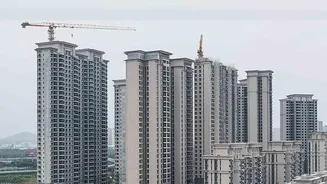
The growth is not uniform but is creating specialized economic clusters across the country. Cities like Visakhapatnam and Madurai are becoming hubs for technology and pharmaceuticals, while Jaipur, Lucknow, and Surat are evolving into powerful, diversified consumption centres. This is also attracting significant investment in real estate and infrastructure, further fueling the cycle of growth. Residential property prices in 11 major non-metro cities, for instance, saw a significantly higher rate of growth compared to the top eight metros between 2021 and 2026. This indicates that these cities are not just temporary growth spots but are developing into sustainable economic regions with long-term potential. The government's focus on developing city economic regions, like the Coimbatore-Erode-Tirupur manufacturing belt, aims to formalize and accelerate this trend.
Navigating the New Terrain
However, tapping into these markets is not without its challenges. India is not a monolithic market; it's a complex tapestry of diverse languages, cultures, and consumer preferences. A strategy that works in Mumbai may not resonate in Madurai. Brands that succeed will be those that invest in understanding local nuances, building trust, and adapting their offerings. This includes everything from offering local language support and accepting cash-on-delivery to tailoring marketing messages and establishing robust, localized supply chains to overcome infrastructure gaps. The competition is also fierce, with established local players often having a deep-rooted understanding of their communities.