




Prevention Is the First Step
Before the rain begins, preparing your shoes can make a significant difference. Applying a quality waterproofing spray creates a protective barrier against moisture. Choose a spray suitable for your shoe's material—whether it's leather, canvas, or suede—and
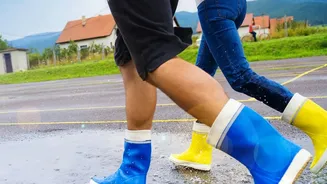
apply it evenly, paying extra attention to the seams where water often seeps in. For leather shoes, a beeswax-based cream or mink oil can offer a more robust, water-repellent layer that also conditions the material. It's also wise to choose your daily footwear strategically. Materials like rubber, PVC, and other quick-dry synthetics are ideal for heavy rain days, as they repel water and are easy to clean. If possible, avoid wearing absorbent materials like canvas or untreated suede on the wettest days.
The Golden Rules of Drying
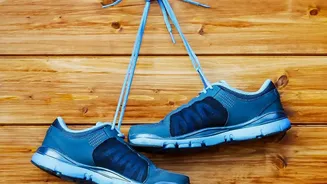
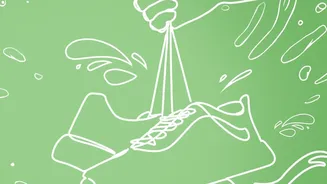
Getting caught in a downpour is inevitable. When your shoes get soaked, your immediate actions are crucial to prevent lasting damage. First, never use direct heat. Placing shoes near a heater, fireplace, or using a hairdryer can cause leather to crack and synthetic materials to warp. The safest method is slow, natural air drying. Start by removing the laces and insoles to dry separately. Wipe off any excess mud and water, then stuff the shoes with crumpled newspaper or paper towels. This is highly effective at absorbing internal moisture and helping the shoe maintain its shape. Replace the damp paper every few hours until the shoes are mostly dry, then let them air out in a well-ventilated room. Placing them near a fan can speed up the process without causing heat damage.
Material-Specific Care
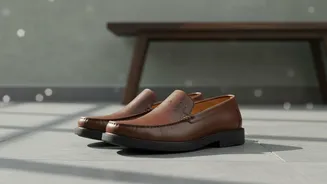
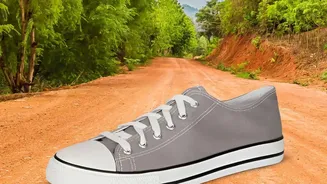
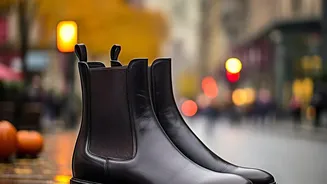
Different materials require different approaches. For leather shoes, after they have dried completely, it's essential to apply a leather conditioner. Water strips leather of its natural oils, and conditioning restores suppleness, preventing it from becoming brittle. Suede is particularly delicate and should be cleaned with a specialised suede brush once dry to restore its texture. For canvas sneakers, which absorb water easily, a gentle hand wash with mild soap can remove mud stains before air drying. Waterproof sneakers made of synthetic materials or treated leather are great monsoon options, but even they need to be wiped down and dried properly to maintain their integrity.
Combatting Odour and Fungus
Dampness and humidity create a perfect breeding ground for mould, mildew, and odour-causing bacteria. To keep your shoes fresh, ensure they are completely dry before storing them. Sprinkling a bit of baking soda or an antifungal powder inside your shoes overnight can effectively absorb lingering moisture and neutralise odours. Another trick is to place unused dry tea bags or small pouches of activated charcoal inside your shoes, as they are natural moisture and odour absorbers. Regularly washing removable insoles and practicing good foot hygiene, such as keeping feet clean and dry, will also help prevent fungal infections like athlete's foot.
Smart Monsoon Storage
How you store your shoes during the rainy season is just as important as how you clean and dry them. Never store damp shoes in a closed cabinet or plastic bag, as this traps moisture and encourages mould growth. Instead, opt for an open shoe rack that allows for good air circulation. If you must use a shoe cabinet, keep it in a dry, ventilated area and consider opening it on sunny days to air it out. Placing silica gel packets inside your shoes or storage boxes can help absorb ambient humidity. Finally, try to rotate your footwear. Avoid wearing the same pair of shoes on consecutive days to give them at least 24 hours to dry out completely.