






Master Strategic Ventilation
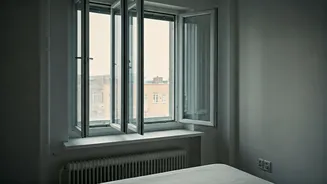
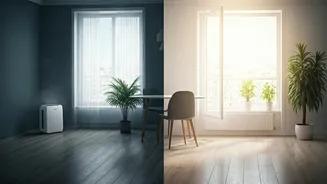
The single most effective weapon against damp is good airflow. In small homes, air can easily become stagnant, trapping moisture. The goal is to create a path for air to travel through your home. This is called cross-ventilation. Make it a habit to open
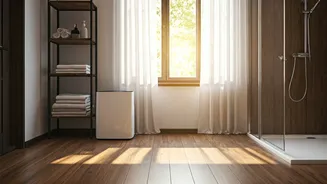
windows on opposite sides of your home for at least 15-20 minutes every morning. This pushes out the humid indoor air and draws in fresh, drier air. Even on rainy days, cracking a window slightly can help, unless the outside air is significantly more humid. Also, use your exhaust fans religiously. Run the kitchen fan while cooking and the bathroom fan during and after a shower to pull moisture-heavy air directly out.
Give Your Furniture Breathing Room
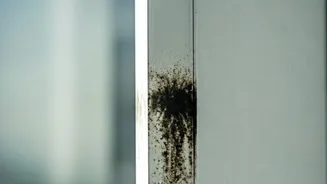
In a small home, every inch of wall space is precious, but pushing furniture right up against it is a recipe for damp. This practice traps air, creating cold, unventilated pockets where moisture condenses and mould loves to grow. The solution is simple: pull your furniture, including wardrobes and sofas, just a few inches away from the walls. This small gap is enough to allow air to circulate, keeping the wall surface warmer and drier. Similarly, avoid over-packing wardrobes and cupboards. Clothes and linens pressed tightly together prevent air movement and can trap moisture, leading to musty smells and mildew.
Become a Kitchen and Bath Steam-Buster
Kitchens and bathrooms are the primary sources of moisture in any home. In a smaller space, the steam from cooking and showering has less volume to dissipate into, making its impact greater. Adopt the habit of covering pots and pans while cooking. This keeps steam from billowing into the room. After a shower, wipe down wet surfaces like tiles and the shower screen with a squeegee or cloth. It takes only a minute but removes a significant amount of water that would otherwise evaporate into the air, raising humidity levels. Keep the bathroom door shut during your shower to contain the steam.
Deploy Natural and Low-Cost Dehumidifiers
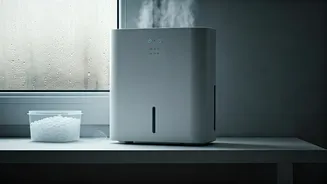
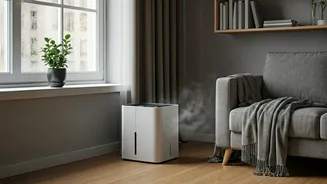
You don't always need an expensive electric dehumidifier to fight moisture. Several common household items are excellent at absorbing excess humidity from the air. Place bowls of rock salt, baking soda, or activated charcoal in damp-prone areas like wardrobes, under sinks, and in bathroom corners. Rock salt is particularly effective at drawing moisture from the air. Charcoal not only absorbs moisture but also helps eliminate musty odours. These natural solutions are perfect for enclosed spaces where airflow is limited. Remember to replace them every few weeks as they become saturated.
Manage Your Laundry Wisely
Drying clothes indoors can release a huge amount of moisture into the air, increasing indoor humidity by up to 30%. In a small home, this effect is amplified. Whenever possible, dry laundry outside. If you must dry clothes inside, choose a single, well-ventilated room and close the door to prevent the moisture from spreading throughout the house. Open a window in that room and, if possible, place a fan nearby to speed up drying and circulate air. Crucially, never store clothes or put them back in the wardrobe unless they are completely bone-dry. Even slight dampness can create a musty smell and promote mould growth within the confined space of a closet.
Check for and Fix Leaks Immediately
Damp isn't always caused by humidity in the air; sometimes it's the result of water getting in where it shouldn't. In Indian homes, common culprits include minor plumbing leaks, cracks in external walls, and poor waterproofing on terraces or around window frames. Make it a habit to regularly inspect under sinks, behind toilets, and around water heaters for any signs of drips or water stains. Before the monsoon, check your external walls and balcony for any new cracks and seal them promptly. A small, persistent leak can keep a wall permanently damp, providing an ideal environment for mould and causing long-term structural damage.