






The Science of the Post-Meal Spike
When you eat, your body breaks down carbohydrates into glucose, a simple sugar that enters your bloodstream to be used as energy. This causes your blood sugar levels to rise. In response, your pancreas releases insulin, a hormone that acts like a key,
unlocking your cells to allow glucose to enter and be used for fuel. This is a normal and healthy process. However, large, rapid spikes in blood sugar, especially after a meal heavy in refined carbs, can put a strain on your system over time. If the cells are resistant to insulin or if the pancreas can't produce enough, glucose remains in the bloodstream, which can lead to health complications down the line. Blood sugar levels are typically at their highest around 60 to 90 minutes after you finish eating.
Your Muscles to the Rescue
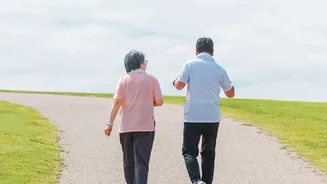
This is where a post-meal walk works its magic. When you engage in physical activity, your muscles need energy to contract and move. One of the most amazing things about this process is that active muscles can pull glucose directly from the bloodstream for energy, without needing much, or any, insulin. Think of it as opening a side-door for glucose to exit the blood. By simply walking for as little as five to ten minutes after a meal, you activate the large muscles in your legs and glutes. These muscles immediately start drawing on the glucose from the meal you just ate, effectively blunting the blood sugar spike. Studies have shown that a few short walks spread throughout the day after meals can be more effective at managing blood sugar than one longer walk taken at another time.
Unlocking Post-Meal Stiffness
The benefits aren't just metabolic. Sitting for a long period after eating can lead to a feeling of stiffness in your joints and muscles. A gentle walk gets the blood flowing throughout your body, improving circulation and delivering oxygen to your muscles. This enhanced blood flow helps prevent that feeling of lethargy and stiffness. The light movement also helps lubricate your joints and can aid in digestion by gently stimulating the gastrointestinal tract. For many people who experience bloating or gas after eating, a short stroll can provide noticeable relief. It’s a simple way to keep your body feeling fluid and comfortable, rather than stiff and stagnant.
Making Your Walk Count
You don't need a power walk or an intense gym session to reap these rewards. In fact, very high-intensity exercise right after a meal can sometimes cause digestive upset. The research points to light-to-moderate activity as the sweet spot. Aim for a brisk but comfortable pace where you can still hold a conversation. Studies show benefits from walks as short as two to five minutes, but a 10-to-15 minute walk is a fantastic goal. The best time to go is within 60 to 90 minutes of finishing your meal, which is when your blood sugar is likely to peak. Consistency is key. Making this a regular habit after your main meals can lead to better long-term metabolic health, improved insulin sensitivity, and greater daily comfort.