



The Prep-Ahead Philosophy
The secret to consistent weeknight dinners is not to cook seven entire meals on a Sunday. That leads to repetitive flavours and soggy vegetables. Instead, the goal is to prep core ingredients separately. Think of it as creating your own 'meal kit'. By
preparing your grains, proteins, chopped vegetables, and a foundational gravy base, you give yourself the flexibility to assemble different dishes throughout the week, keeping meals fresh, interesting, and incredibly fast.
Your Sunday Prep Session: A 90-Minute Plan
Set aside about 90 minutes on a Sunday to get organised for the week. This small investment of time will pay off immensely during hectic weeknights. The process can be broken down into four key areas: grains and lentils, vegetables, proteins, and the all-important flavour base. Having a clear plan stops the process from feeling overwhelming and turns it into an efficient, rewarding kitchen ritual that sets you up for a week of stress-free cooking.
Step 1: Grains and Legumes
Start with the basics that take the longest to cook from scratch. Boil a large batch of chickpeas (chana) or kidney beans (rajma) after soaking them overnight. These can be stored in the fridge for up to five days. Cook enough rice (basmati or brown) for 3-4 meals and store it in an airtight container. You can also boil a couple of varieties of dal, like toor or moong dal. Keep them unseasoned; you'll add the tadka just before serving to keep the flavours fresh and vibrant.
Step 2: The Art of Chopping Vegetables
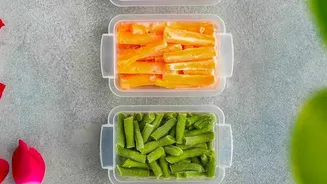
Wash and chop your hardy vegetables. Onions, carrots, bell peppers (capsicum), and beans can all be chopped and stored in airtight containers in the fridge. Potatoes can be boiled and refrigerated. For leafy greens like spinach, it's best to wash, dry thoroughly, and store in a container lined with a paper towel to absorb excess moisture. Avoid chopping vegetables with high water content like cucumber or tomatoes too far in advance, as they can become soggy.
Step 3: Prepare Your Proteins
Vegetarian proteins are easy to prep. If you're using paneer, cut it into cubes and store it in water in the fridge to keep it soft. For tofu, press out the excess water and cube it. Sprouts like moong can be prepared and will stay fresh for a couple of days. Having these ready-to-go proteins means you can add a hearty, filling element to any curry or sabzi in minutes.
Step 4: The Game-Changing Masala Base
This is the ultimate time-saver for Indian cooking. Most North Indian curries start with a base of sautéed onions, ginger, garlic, and tomatoes. Make a large batch of this 'bhuna masala'. Finely chop onions and cook them in oil until golden brown, then add ginger-garlic paste, followed by puréed tomatoes. Cook this mixture until it thickens and the oil starts to separate. Cool it completely and store it in an airtight glass jar in the fridge for a week, or freeze it in portions.
Putting It All Together: A Week of Dinners
With your prepped ingredients, weeknight dinners become a simple assembly job. On Monday, heat up your masala base, add your pre-boiled rajma, and serve with rice for a quick Rajma Chawal. For Tuesday, use the same base, add some spices, cubed paneer, and a splash of cream for Matar Paneer with rotis. On Wednesday, a quick tadka of mustard seeds and cumin into your boiled dal makes for a comforting Dal Fry. Thursday could be a dry sabzi using your chopped vegetables, and Friday can be Chana Masala with your pre-cooked chickpeas. Each meal is fresh and ready in under 15 minutes.