
What is a Bento Box?
Originating in Japan, the bento box is more than just a lunch container; it's a philosophy of eating. Traditionally, a bento is a single-portion meal packed with care, balancing different food groups in a visually appealing, compartmentalised box. The
core idea is to create a meal that is nutritious, organised, and aesthetically pleasing. This centuries-old concept emphasises balance, portion control, and variety, with the rule of five colours, flavours, and cooking methods often guiding the preparation. This approach turns a simple packed lunch into a curated experience, a gesture of care from the person who packed it.
The Tiffin Gets a Global Twist
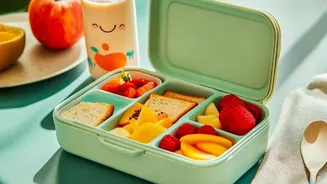
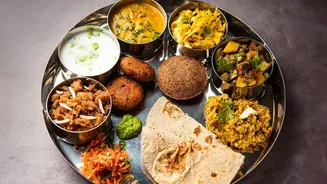
For generations, the vertically stacked steel tiffin has been an icon of Indian life, carrying everything from school lunches to office meals. Now, its horizontal, compartmentalised cousin from Japan is influencing how we pack our beloved dal, sabzi, and roti. While the vertically stacked tiffin is excellent for keeping gravies separate, the bento box's side-by-side layout offers a different advantage: you see your entire meal at once. This shift is part of a larger trend in India's lunchbox market, which is moving towards modular, convenient, and stylish designs that fit modern, fast-paced lifestyles.
Why the Sudden Popularity?
Several factors are driving the Indian bento trend. For one, social media has made visually appealing food a star. An artfully arranged bento box with colourful components is far more Instagrammable than a standard lunch. For parents of picky eaters, transforming a simple meal into a creative spread with different shapes and colours can make food more exciting. Furthermore, as health consciousness grows, the bento’s built-in compartments offer an intuitive way to manage portion sizes and ensure a balanced mix of proteins, carbohydrates, and vegetables. This aligns perfectly with a growing desire for mindful and healthy eating habits without sacrificing the comfort of home-cooked food.
More Than Just a Pretty Lunch
The practical benefits of the bento box are a huge part of its appeal. The individual compartments keep different food items from mixing, which means no more soggy parathas or rice soaking up all the curry. This separation preserves the distinct texture and flavour of each dish. For the person packing the lunch, it encourages creativity and variety, making it easier to include a small salad, some fruit, or a healthy snack alongside the main course. It also reduces the need for single-use plastics like cling film or separate small bags, making it an environmentally friendlier choice.
Crafting the Perfect Indian Bento
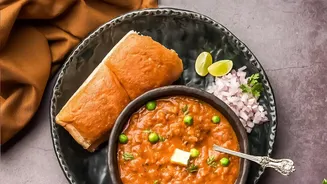
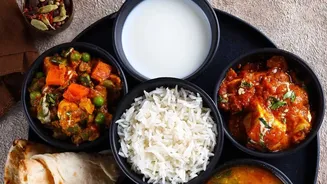
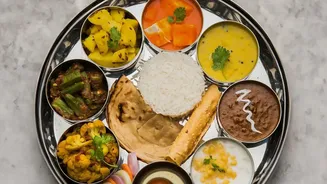
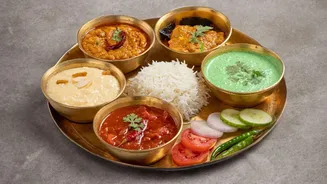
So, what does an Indian bento look like? The possibilities are endless. One compartment might hold vegetable pulao or a few folded rotis. Another could contain a dry sabzi like aloo gobi or a portion of paneer tikka. A smaller section is perfect for cooling cucumber raita, a spoonful of tangy pickle, or a fresh kachumber salad. The smallest compartment can be for a treat—a few pieces of fruit, a couple of nuts, or a single gulab jamun. The key is to cool cooked food before packing to prevent it from becoming soggy and to place wet and dry items in separate, sealed compartments. The result is a balanced, exciting, and deeply personal meal that brings a touch of global elegance to familiar flavours.