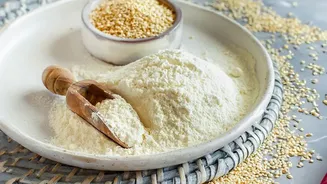




What Exactly is Sorghum Flour?
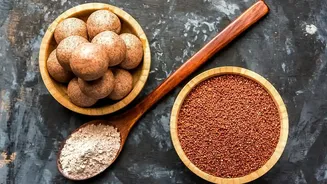
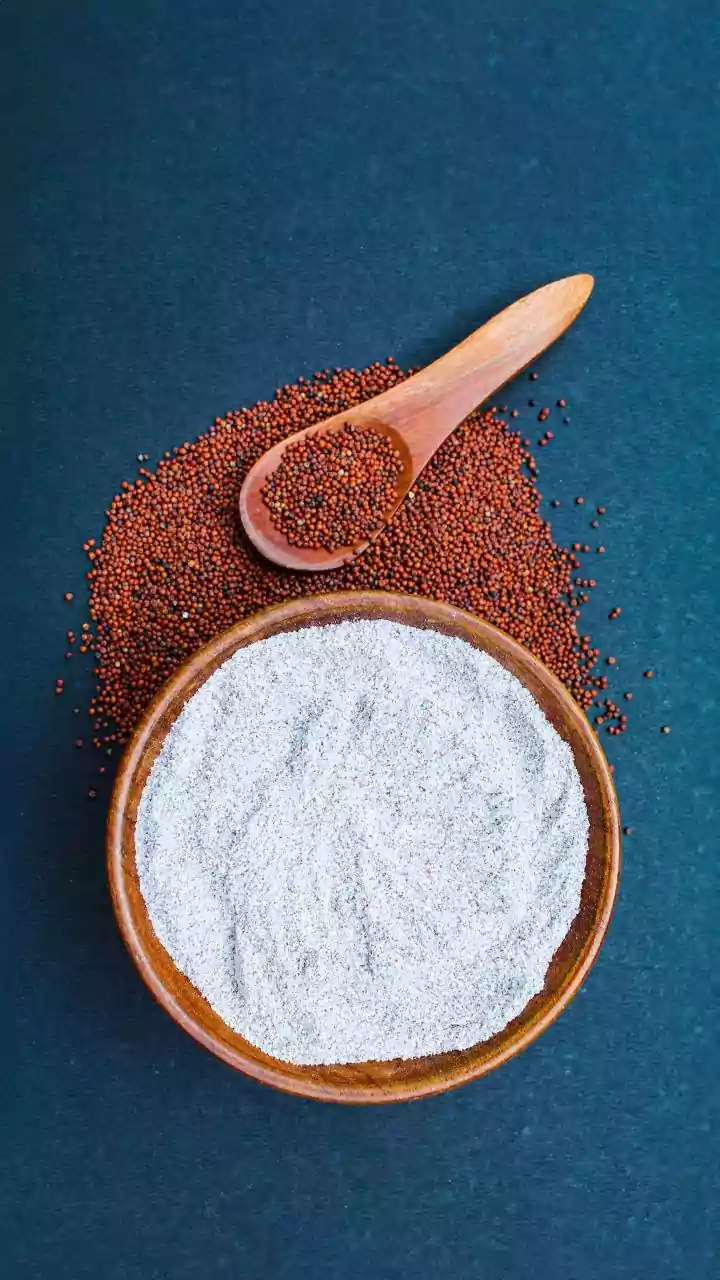
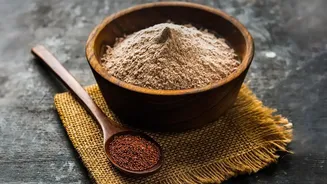
Sorghum, known in India as jowar, is an ancient cereal grain that has been cultivated for thousands of years. While it has long been a staple in parts of Africa and Asia, it's now gaining global recognition as a versatile and nutritious ingredient. The
flour is made by grinding whole sorghum grains, resulting in a fine, soft powder with a creamy-white or yellowish hue. It has a mild, slightly sweet, and sometimes earthy flavour that pairs wonderfully with other ingredients, making it an excellent candidate for baking.
The Nutritional Advantage
The term "guilt-free" can be traced to sorghum's impressive nutritional profile. Unlike refined all-purpose flour, which is often stripped of its nutrients, sorghum flour is a whole grain powerhouse. It is naturally gluten-free, making it a safe and excellent choice for individuals with celiac disease or gluten sensitivity. Furthermore, it is packed with dietary fibre, which aids digestion, promotes a feeling of fullness, and can help manage blood sugar levels. Sorghum is also a good source of plant-based protein and is rich in essential minerals like iron, magnesium, and phosphorus, along with B vitamins. This combination of nutrients provides a more sustained energy release compared to the quick spike from refined flours.
The Brownie Test: Taste and Texture
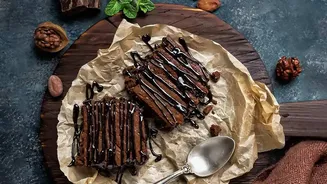
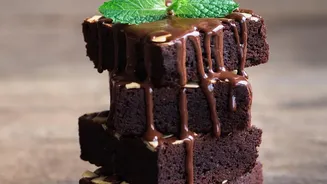
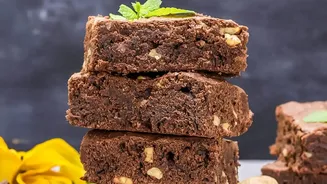
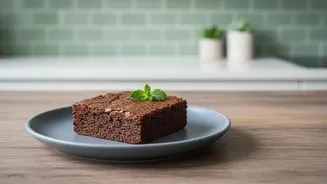
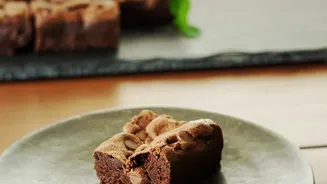
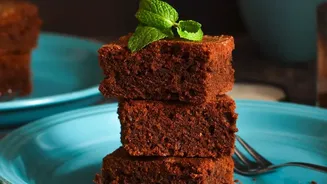
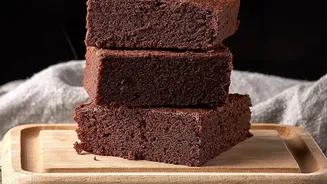
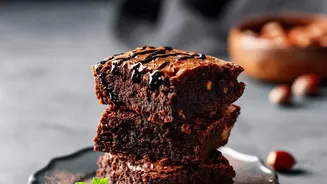
When it comes to brownies, texture is everything. Swapping in sorghum flour can lead to delightful results. Many bakers find that sorghum imparts a tender, slightly cakey yet still fudgy texture to their brownies. Its subtle sweetness complements the deep, rich flavour of chocolate without overpowering it. While some notice a slightly different taste compared to wheat, it is generally considered mild and pleasant. Because it lacks gluten, brownies made with sorghum won't have the exact same chewiness as their wheat-based counterparts, but they offer a unique and satisfying moistness that many people love.
A Practical Guide to Making the Swap
Successfully substituting sorghum flour isn't always a simple one-to-one replacement for all-purpose flour. Because it's gluten-free, it lacks the protein that provides structure and binding in traditional baked goods. For the best results, especially if you are new to baking with it, consider starting with a blend. A common approach is to mix sorghum flour with a starch, like potato starch or cornstarch, to lighten the texture. Some recipes call for a binder like xanthan gum to mimic the elasticity of gluten and prevent the brownies from becoming too crumbly. When adapting your favourite recipe, you may find the batter is thicker than you're used to; this is normal for many sorghum-based batters. Don't be afraid to experiment to find the ratio that yields your perfect brownie.
Tips for Baking Success
To ensure your sorghum brownies turn out perfectly, keep a few tips in mind. First, do not over-mix the batter once you've added the flour, as this can lead to a denser final product. It can also be beneficial to let the batter rest for 15-20 minutes before baking. This allows the flour to fully hydrate, which can improve the texture. Be careful not to over-bake; a toothpick inserted into the center should come out with a few moist crumbs attached for that ideal fudgy consistency. Finally, allow the brownies to cool completely in the pan before cutting. Gluten-free baked goods are often more delicate when warm and firm up as they cool.