
The Rise of the Curve
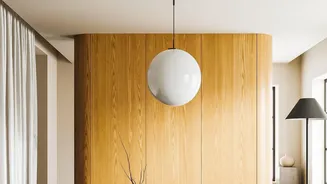
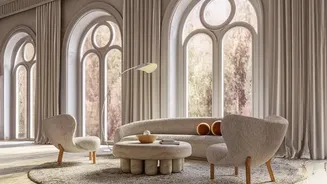
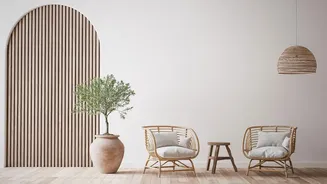
For years, interior design was dominated by sharp, clean lines and rigid minimalism. Then, a softer silhouette began to take over. Curved furniture—from enveloping, semi-circular sofas to arched cabinets and round coffee tables—emerged as a major design movement.
This shift reflects a collective desire for homes that feel warmer, more comforting, and more personal. The appeal is psychological; rounded forms often echo the natural world, feeling less confrontational and more welcoming than sharp angles. This trend isn't just about aesthetics; it’s about creating emotionally engaging spaces that serve as a sanctuary from a fast-paced world. The fluid lines of curved pieces can improve the flow of a room, encouraging conversation and a sense of ease.
When Big Curves Create Big Problems
The initial wave of the curved trend was often defined by large, sculptural statement pieces. Think of massive, semi-circular sofas that command an entire living room. While visually stunning in a spacious loft or a grand bungalow, these oversized items can quickly overwhelm a more modestly sized home. This is the “rebalance” designers are now navigating. The mistake many make is assuming the trend itself is flawed when, in reality, the issue is one of scale. A grand, sweeping sofa might look incredible in a showroom but can make a typical apartment living room feel cramped and impractical, obstructing pathways and dominating the space visually. The trend isn't fading, but it is maturing beyond one-size-fits-all statement pieces.
What Designers Mean By Scale
So, what exactly is scale in interior design? It’s one of the most vital, yet often misunderstood, principles. Scale refers to the size of an object in relation to the room it occupies, as well as its relationship to the other objects around it. It’s not just about the physical footprint but about the visual weight of an item. The goal is to achieve harmony where nothing feels too big or too small for the space. A perfectly scaled room feels balanced and “right.” When scale is off, a room can feel disjointed; small furniture can get lost in a large room, while bulky furniture can make a small room feel suffocating. Mastering scale is the key to unlocking a sophisticated, well-resolved interior, regardless of its size.
Making Curves Work in Your Home
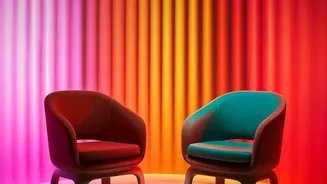
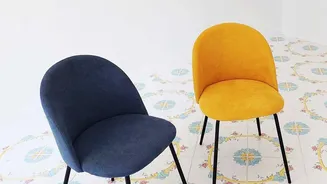
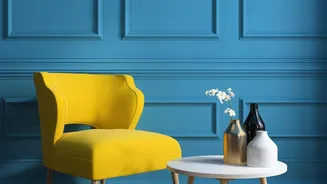
The good news is that curves can work beautifully in almost any home, including compact urban apartments common in India. The key is thoughtful selection. For smaller spaces, a curved sofa can actually be a clever choice as it lacks sharp corners that can make a room feel boxy. Opt for a curved sofa with a shallower depth and raised legs to create a sense of lightness and space. If a large curved sofa feels too daunting, start smaller. Introduce the trend with a pair of rounded barrel accent chairs, an oval dining table that enhances conversation, or a circular rug to anchor a seating area. Balance is also crucial. Contrast your curved pieces with some linear elements—a rectangular rug under a curved sofa, or sharp-angled side tables—to create a dynamic and interesting look.
Think Beyond the Statement Sofa
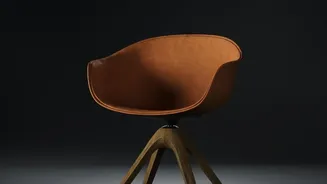
Embracing this trend doesn't mean you have to replace your main seating. The beauty of the curve's rebalance is its versatility. You can incorporate the trend through smaller, more accessible pieces that still make a significant impact. Look for curved headboards to soften a bedroom, console tables with rounded edges for a welcoming entryway, or arched mirrors that add a sense of height and elegance. Even smaller decor items like sculptural lamps, rounded vases, or circular trays can introduce this soft, organic feel. Limiting curves to a few key focal points allows them to stand out and be appreciated without overwhelming the space. It's about using the shape to add personality and warmth in a way that feels intentional and balanced.